
Squirrel entry points around a roofline
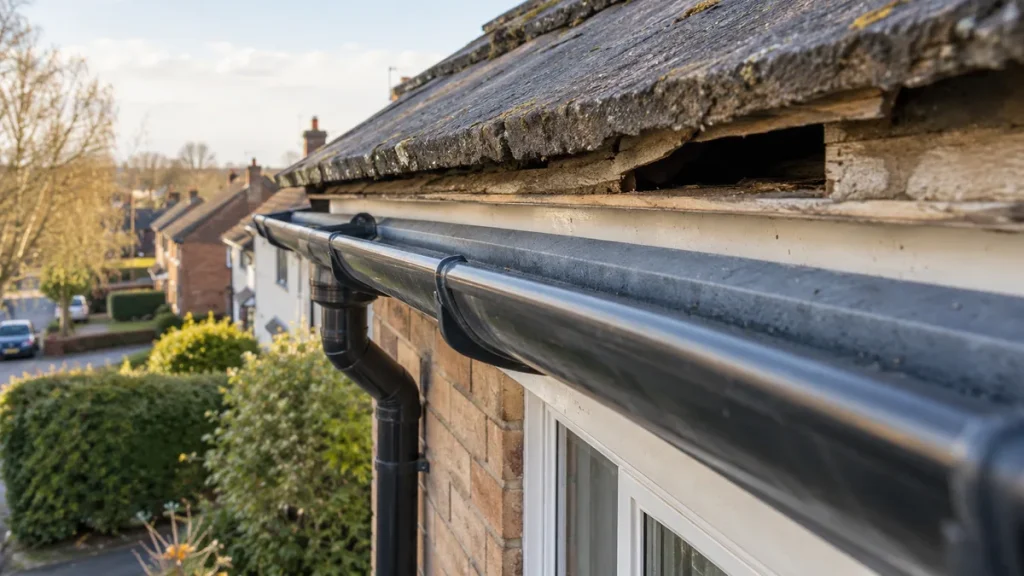
A gap under a roof edge can look like an obvious explanation for loft noise. It may be important, but a visible opening is not proof that squirrels are using it. Roofs have vents, joints and old repairs that need to be understood in context. A safe assessment asks where signs occur, whether an animal has been seen entering and what the opening connects to. Do not climb or seal the gap before a specialist has checked it.
Start from a safe viewpoint
Walk around the property on accessible ground and note which side of the roof faces the affected rooms. Photograph visible edges, soffits, vents and junctions from a safe position. A wider image helps the inspector locate a close-up later. Do not lean from a window, use a ladder or step onto a flat roof to improve the view. If trees or another building block the sightline, say so rather than taking a risk.
Record the time of any movement you see. An animal running along a roof is not necessarily entering the building. A direct view of entry or exit is stronger evidence, though the exact species may still need confirmation. Do not try to attract an animal to the opening or leave food out as a test. That would change the conditions and may draw more activity.
If a branch touches the roof, note it as a possible access route without cutting it on the spot. Tree work can involve permissions, safety equipment and a different contractor. A branch can also be present without being used. An inspector should consider it alongside the roofline and signs in the void. If movement is observed, record where the animal travelled rather than assuming it used the nearest opening. The route across a roof can be longer than the final entry point, and a photo sequence may help explain it.
Places that deserve professional attention
Soffits and eaves
Loose panels or gaps at the eaves may expose a route into roof space. Weather damage and previous repair work can create similar openings. The inspector should compare the outside view with signs inside the loft where access is safe. A photograph cannot show whether the gap continues into an occupied void or whether it is used now. Avoid pushing material into it; doing so could trap an animal or hide the evidence.
Vents and service openings
Roof vents and service penetrations need to function as intended. An opening that looks large from the ground may be protected behind a cover, while a damaged cover may leave a route. Do not block ventilation to solve a suspected pest problem. Ask a qualified person to identify the opening and suitable repair, coordinated with the pest plan. Services and roof fabric may have requirements beyond pest proofing.
Junctions and previous repairs
Where different roof sections meet, flashing, tiles and trims may leave hard-to-see spaces. Old patches can conceal a recurring defect. Do not assume that the most visible gap is the only route. An inspector may need a safe roof survey or another trade to examine the fabric. Record any recent roofing work and when loft noises began, without treating the timing as proof of causation.
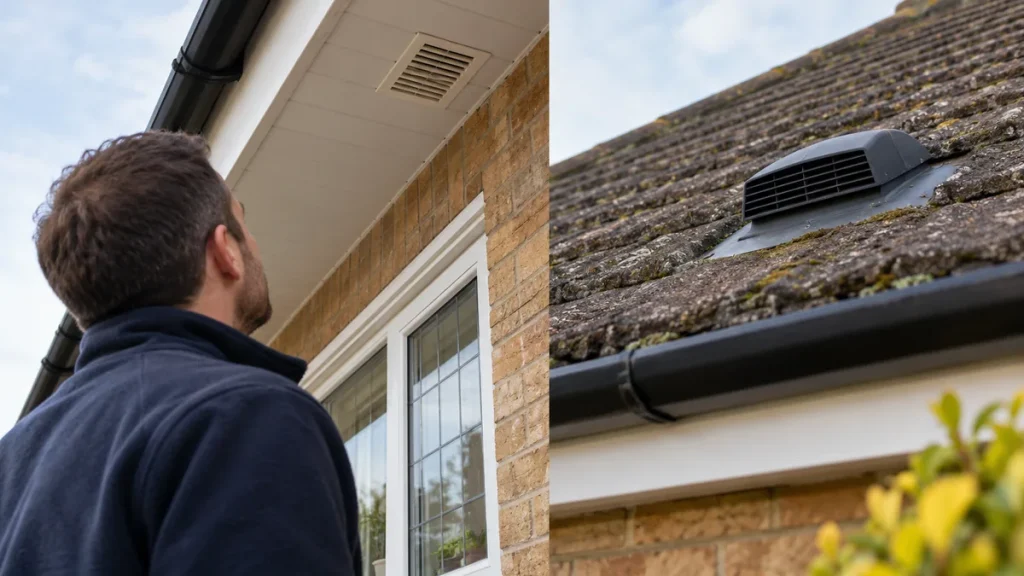
Connect the roofline with indoor evidence
If a safe loft view exists, note any visible disturbance near the suspected side of the roof. Do not enter a space with uncertain boarding, wiring, insulation or animal activity. A professional may assess droppings, gnawing or nesting material in accessible areas, but even those signs need context and age assessment. A sound heard under one slope may travel across the roof void. The site's squirrel control service describes checking likely species and routes before choosing a response.
If signs also occur in walls or kitchens, list them separately. They may represent another issue. For evidence that points towards smaller indoor rodents, the mice control service may be relevant. Do not group every noise and dropping into a single diagnosis. The inspector can compare locations and decide whether one or more investigations are needed.
Why sealing first can cause trouble
Closing an opening while an animal is inside may strand it or push movement to another weak point. A rushed patch can also block ventilation, trap moisture or fail quickly in bad weather. Pest control and roofing work may need to be sequenced so the route is understood and the building is repaired appropriately. Ask who will confirm that the space is clear, who will perform proofing and what follow-up is included.
Do not place bait or traps into a roof void without an assessed plan. The area can be difficult to access safely, and equipment must be appropriate for the species and setting. If wiring appears damaged or the ceiling is unstable, keep clear and involve the relevant qualified trade. A pest specialist can report animal signs, but structural and electrical hazards require their own response.
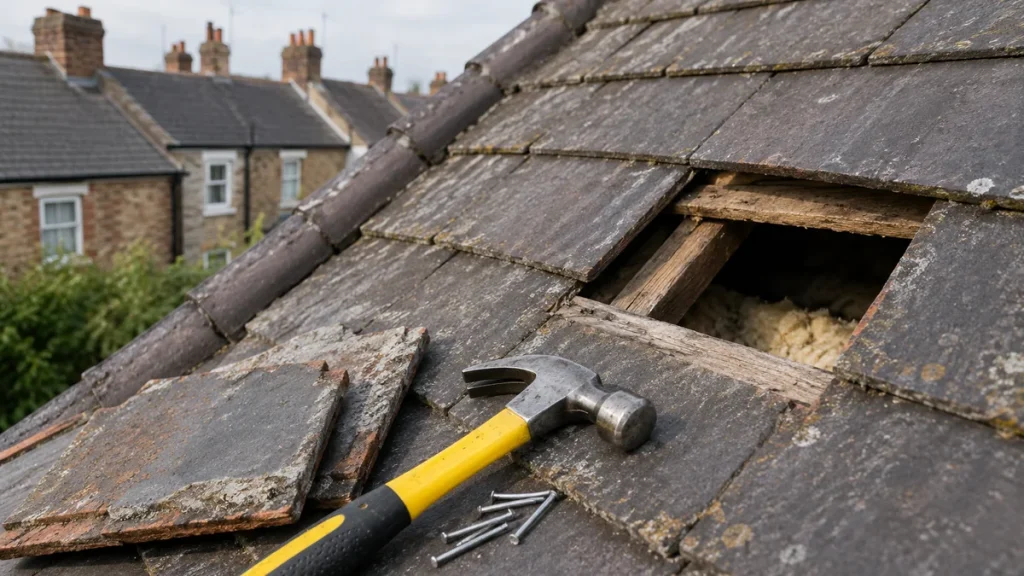
Shared roofs need coordinated access
In a flat, the roofline may belong to the building rather than the individual dwelling. The managing agent may hold keys to the loft and control external repairs. Share dated photographs and a concise account of sounds or sightings with the responsible person. Avoid claims about a neighbour's unit. Ask who can attend the inspection and authorise any roof work. A visit limited to your flat can still provide useful evidence, but its access limits should be recorded clearly.
If a contractor has already inspected the roof, request their factual findings or photographs where available. A pest controller may use that information to focus the visit, but should still interpret it alongside animal signs. Keep the roles and decisions clear: what evidence identifies the likely pest, what opening needs repair and who will verify that the repair has worked.
Document the repair sequence
Ask for a written description of each proposed change before work starts. A roofer may repair damaged fabric while the pest specialist confirms what animal activity is present and advises when proofing is appropriate. If the same opening is repaired without agreement on timing, follow-up signs can be hard to interpret. Record the repair date, materials used and any areas that remained inaccessible. That record also helps a second contractor understand the completed work. Afterwards, monitor for fresh sounds or damage using the same dated method as before. Do not judge the result only by how neat the external patch looks from the ground.
When to call
Repeated loft movement together with a visible damaged roof edge, direct entry sighting or new indoor disturbance justifies an assessment. Give the team your full postcode, the times of activity, photographs taken safely and details of loft access. Mention any building work or previous attempt to block an opening. For the stated Wembley area, use the site's contact page for current details. A careful record helps connect a possible roof route to actual activity before anyone alters the building.