
BED BUGS / WEMBLEY
Bed Bug Treatment Wembley
Identify the evidence.
Keep the response focused.
Signs around a bed need a careful look before treatment is selected. Discuss an inspection in Wembley, HA0 or HA9, with preparation, room scope and review explained for your property.

Start with where the signs appeared
When enquiring, describe the affected bed or resting area, when the concern began and what physical signs you have noticed. Mention travel, second-hand furniture, recent visitors or a change in sleeping arrangements where relevant. These details help frame an inspection; they do not establish the source by themselves.
Give the full postcode, property type and the rooms that can be accessed. In a rented flat, clarify who can authorise work and whether a landlord or managing agent needs to coordinate adjoining areas. Explain previous treatments, occupants, pets and any access difficulties before agreeing an appointment. The Wembley pest control homepage explains the wider inspection-led approach.
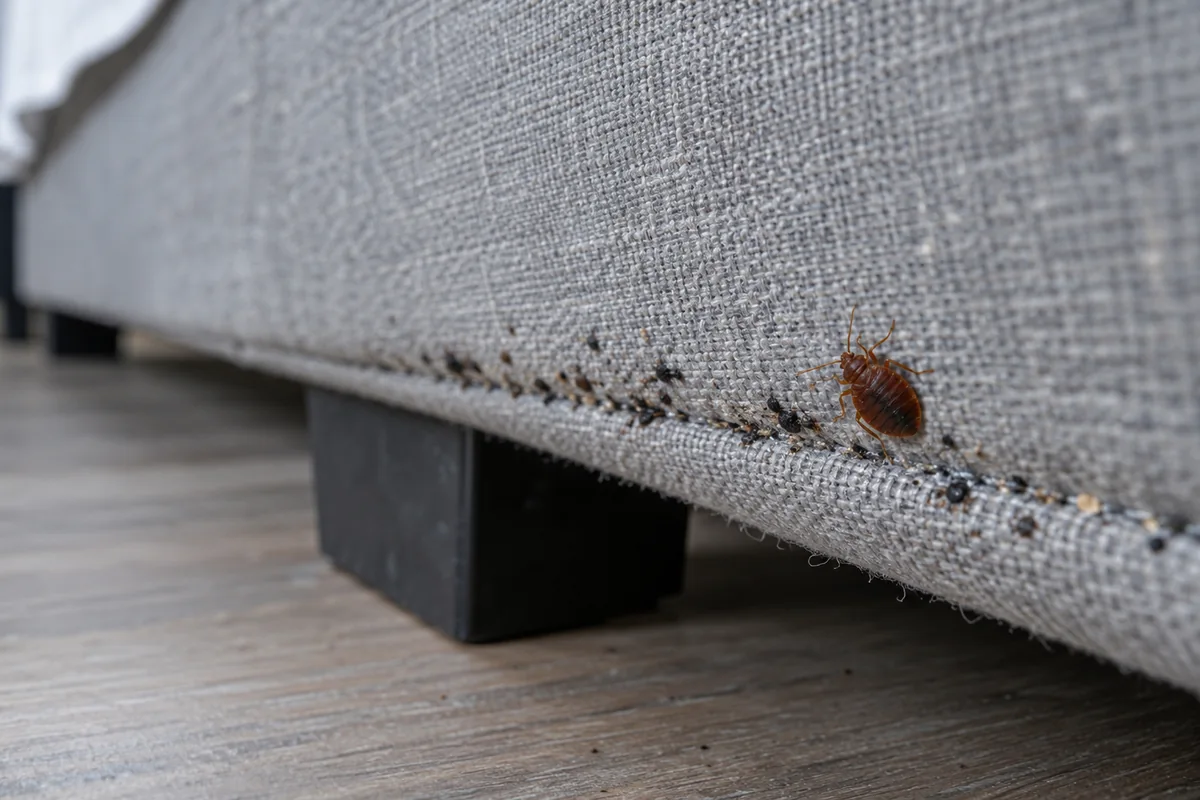
Physical evidence comes before assumptions
The specialist may examine seams, piping, bed-frame joints, fixings, headboards and accessible furniture near sleeping or resting places. A torch, magnifier or other inspection aid may help reveal concealed detail. Live insects, eggs, cast skins and spotting are considered together with their location and the history of activity.
Bites alone do not confirm bed bugs. Marks on fabric also need interpretation. Keep a clear photograph or specimen if this can be done safely, but avoid disturbing every hiding place before the assessment. The inspection should explain what was identifiable, what remained uncertain and which areas could not be examined.
A resting-area inspection, opened out
The relevant places depend on the furniture and the way the room is used. A divan base, a timber frame and an upholstered headboard have different access limits. Opening upholstery, dismantling substantial furniture or moving heavy items requires agreement; the initial visit does not automatically include invasive work.
Define the affected scope, room by room
The first discovery may be smaller than the area requiring assessment. Tell the specialist about sofas, guest beds, spare rooms or places where someone has started sleeping. Accessible evidence in neighbouring rooms can change the proposed scope. In shared buildings, activity elsewhere may need coordination rather than treating the nearest bed in isolation.
A useful inspection outcome distinguishes confirmed evidence from areas needing monitoring. Ask which rooms, furniture and belongings are covered by the quotation. If the concern is not supported by bed bug evidence, further identification may be appropriate. Insects linked to pets may instead require flea treatment assessment; damage to natural fibres may call for carpet beetle inspection.
| Finding | Inspection question | Practical consequence |
|---|---|---|
| Identifiable insect | Is the specimen a bed bug? | Supports a pest-specific plan rather than treating on bites alone. |
| Spotting or skins | Are signs consistent and connected to a resting place? | Check surrounding joints and the history of activity. |
| Evidence beyond one bed | Which other accessible areas show supporting signs? | Review room scope and the need for further checks. |
| Restricted access | Which hiding places remain unexamined? | Record limits and agree preparation or additional access. |
Choose a suitable method and explain its limits
Treatment selection should reflect identified activity, furniture construction, affected rooms and the people using the space. Suitable targeted insecticide, steam or other measures may be considered within a coordinated plan. No specific product, application pattern or number of visits should be assumed from the service name. The specialist explains the proposed method, its purpose, preparation and limitations before work is agreed.
Professional heat requires its own suitability review. Room access, belongings and monitoring arrangements matter, so it is not simply a more powerful version of a routine visit. Read about bed bug heat treatment in Wembley if that option is being considered, then discuss which approach fits the findings.
| Approach | What needs assessment | Customer expectation |
|---|---|---|
| Targeted measures | Harbourage, materials and access | Specific preparation and treated-area precautions. |
| Steam or physical work | Surface suitability and accessible hiding places | A component of a plan where appropriate, not a blanket promise. |
| Assessed professional heat | Room layout, contents and monitoring access | A separate belongings checklist and exclusion arrangements. |
| Monitoring and review | Uncertain or subsequent evidence | Clear recording and reporting instructions. |
Prepare without spreading the concern
Follow the instructions provided for the selected method. Clear safe access around the bed and relevant furniture, but do not carry suspect bedding or possessions into an unaffected room to make space. Ask how items should be contained and handled before laundering or moving them. Fabric-care limits still apply; there is no single suitable instruction for every possession.
Discuss clutter, storage and furniture that cannot be moved safely. Tell the team about sensitive belongings, children, pets and aquariums. Keep product packaging from any previous applications. Do not mix or add treatments while waiting for advice. If an agreed preparation step is impractical, raise it before the appointment so access and scope can be reviewed.


What the visit may involve
At the property, confirm the reported signs and any changes since booking. The specialist should check agreed accessible areas, explain findings and confirm the quoted work before treatment proceeds. Where a suitable method is used, ask which surfaces or items are included, what must remain untouched and what preparation limits affect the result.
Keep occupants and pets outside any designated treatment area. Follow the specific instructions for exclusion, re-entry and cleaning rather than a generic waiting period. Products and methods differ. Written aftercare should explain relevant precautions, what to expect during review and how to report new evidence. Do not move monitoring devices or clean treated areas contrary to those instructions.
| Point in the visit | Customer action | Why it matters |
|---|---|---|
| Before access | Explain affected resting places and previous products | Avoids planning around an incomplete history. |
| Before moving belongings | Agree containment and handling | Reduces the chance of redistributing suspect items. |
| After treatment | Keep written re-entry and cleaning instructions | Precautions depend on the actual method used. |
| During review | Record fresh signs with a date and location | Gives the specialist something specific to assess. |
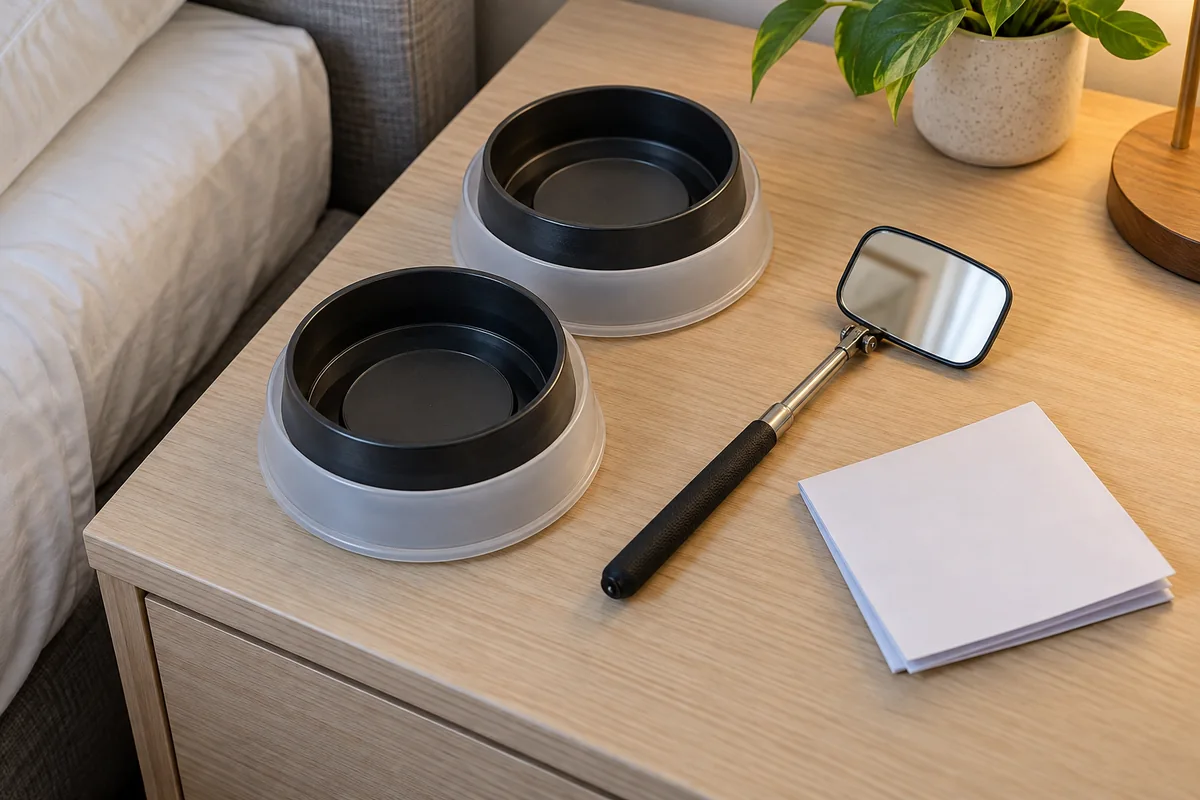
Review evidence, not a deadline
Progress is assessed against the treatment plan, new physical signs and any monitoring findings. Ask when and how to report activity, what a return inspection would examine and whether it is included. A fresh mark or an isolated sighting cannot, on its own, establish the full outcome. Do not cancel an agreed review solely because one room appears quiet.
Quotation, recurrence and urgent concerns
The price depends on the affected scope, access, suitable method, preparation needs and agreed monitoring or return work. Confirm these points rather than comparing a single headline figure. Treatment cannot prevent every future introduction; inspect second-hand items and discuss concerns after travel without moving suspect belongings around the home.
Activity affecting several resting areas or a situation involving vulnerable occupants can justify a prompt conversation. Give the postcode, signs, rooms and access details when you contact the Wembley team. Appointment availability is confirmed by phone. No arrival time or treatment outcome is promised before assessment.
Questions about a bed bug visit
Can bed bugs be confirmed from bites alone?
No. Skin reactions have several possible causes and differ between people. The inspection looks for identifiable insects and supporting evidence near resting places. Photograph physical signs if you can do so safely; medical concerns belong with a healthcare professional.
Do all beds need treatment if one room has signs?
Not automatically. Explain where people sleep or rest, recent room changes and shared walls. The specialist assesses the extent of accessible evidence, then explains which rooms or belongings are included and which remain outside the quotation.
Can I move to the sofa until the visit?
Discuss sleeping arrangements before changing rooms. Moving bedding, luggage or furniture can redistribute insects. Advice depends on the evidence and treatment plan; do not carry suspect items into an unaffected area simply to clear the bedroom.
Will the bed have to be thrown away?
Disposal is not a default preparation step. Construction, condition and access affect what can be treated. Ask about options before moving an item through shared corridors or discarding it where somebody else might take it.
Why might another inspection be recommended?
A further inspection can examine newly reported signs, check previously inaccessible areas or review activity after the agreed treatment. Ask how monitoring works, what to record and whether any return appointment is included in the original scope.
What if I have already used a shop-bought spray?
Tell the specialist the product name, where it was applied and when. Keep the packaging if available. Do not add or mix further products while waiting for advice; previous applications can affect the assessment and subsequent precautions.
How does standard treatment differ from professional heat?
Heat requires a separate assessment of the rooms, belongings and equipment access. Targeted methods may suit other circumstances or form part of a combined plan. The choice follows evidence and practical constraints, rather than the method sounding stronger.