
WEMBLEY / HA0 + HA9
Mice Control
Wembley
An inspection of the signs.
A plan for the routes.
A mouse sighting needs context: where it happened, whether signs are recent and what connects the affected space to the rest of the building. Discuss an inspection, suitable control and the preparation needed for your property.
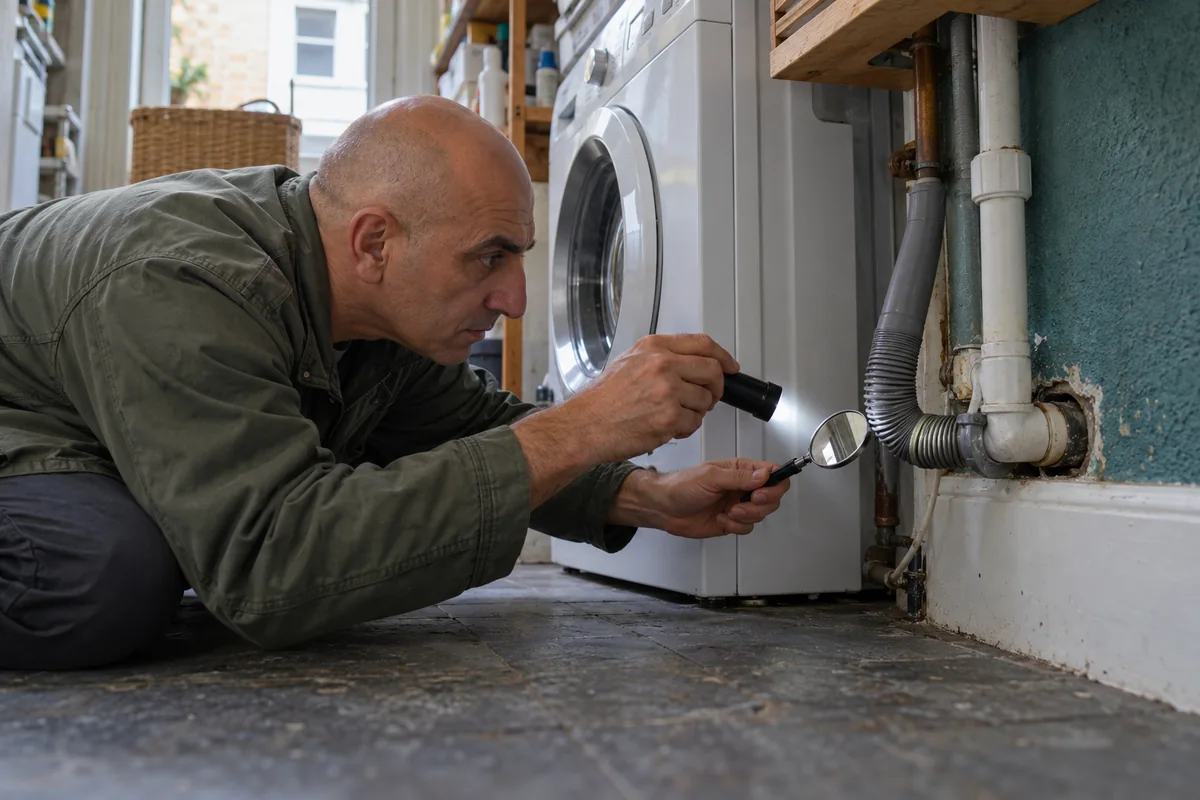
START WITH THE LOCATION
Look beyond
the first cupboard.
Mouse activity can involve a single accessible room or routes through adjoining spaces. The visit should connect identifiable evidence with likely access, food and shelter. A small visible gap is only one part of that assessment; the specialist needs to understand the property before recommending treatment.
If the signs may involve larger rodents, the rat control assessment helps frame the enquiry. Avoid deciding the species from noise alone. The inspection establishes what can be supported by evidence and what still needs monitoring.
THE INITIAL CONVERSATION
Make the enquiry
useful from the start.
Have the full postcode, property type and affected rooms ready. Explain when you last saw a mouse, where droppings or gnawing appeared and whether activity changes after food is put away. Clear photographs can help, but they do not replace an inspection of the setting.
Mention pets, children, aquariums, access restrictions and any products already placed. In a flat, explain who manages shared areas and whether neighbouring occupants have reported signs. The team can then discuss an appropriate inspection scope and availability, without assuming every enquiry needs the same programme.
If you are unsure which signs matter, use the pest signal scanner to organise the information before calling.
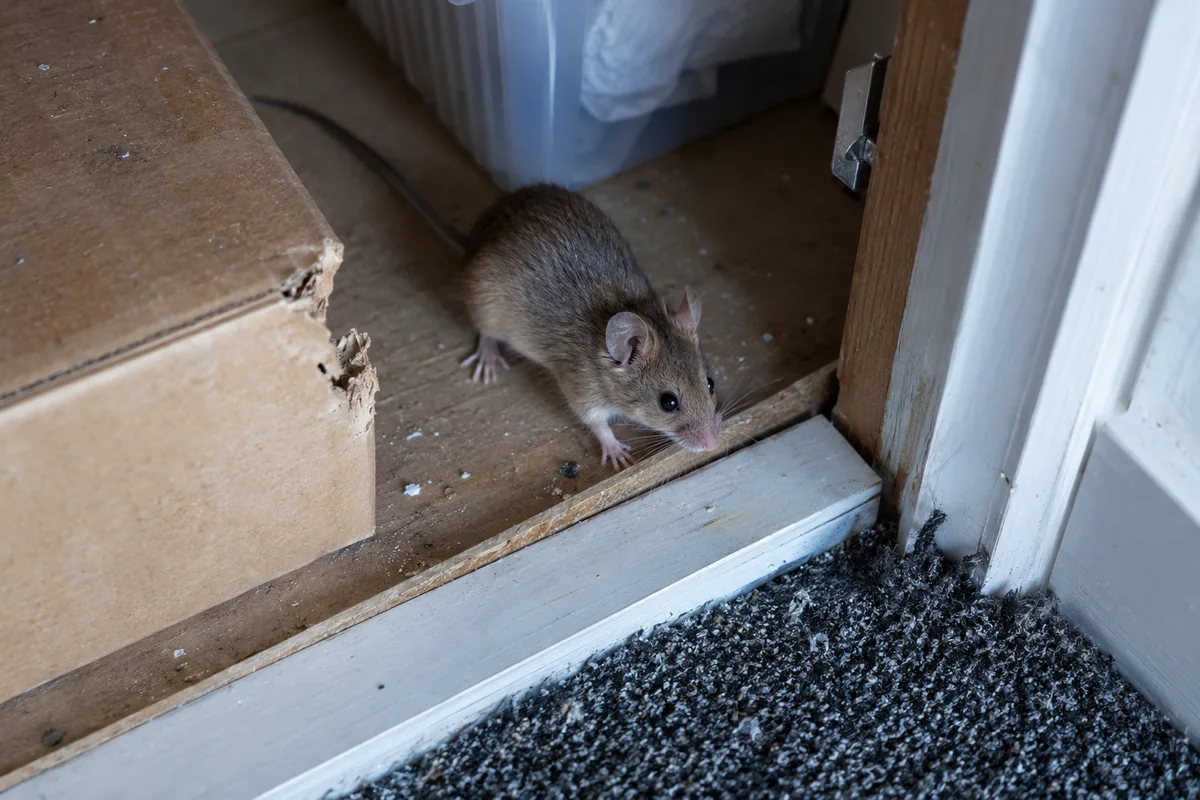
EVIDENCE / ACCESS / LIMITS
Trace a possible route.
Test it against the signs.
A torch, inspection mirror or suitable camera may help examine accessible pipe penetrations, cupboard backs and floor edges. Opening sealed voids or moving heavy appliances is a separate access decision. The specialist should explain when the evidence supports a route and when a connection remains uncertain.
Potential connections, not a diagnosis or a plan of your building. Only safely accessible areas are inspected within the agreed scope.
| Finding | What it may suggest | What the inspection checks | Limit of the finding |
|---|---|---|---|
| Recent-looking droppings | A location worth investigating | Distribution, surrounding signs and a record of new deposits | Appearance alone does not establish the full extent |
| Gnawed packaging | Possible access to stored food | Fresh damage, accessible storage and nearby gaps | Old damage may remain after activity changes |
| Pipe or skirting gaps | A possible movement route | Accessible connections and evidence around the opening | A gap does not prove current mouse activity |
| Repeated sightings | Activity requiring a clearer plan | Timing, room pattern and opportunities to monitor | Sightings do not provide a reliable headcount |
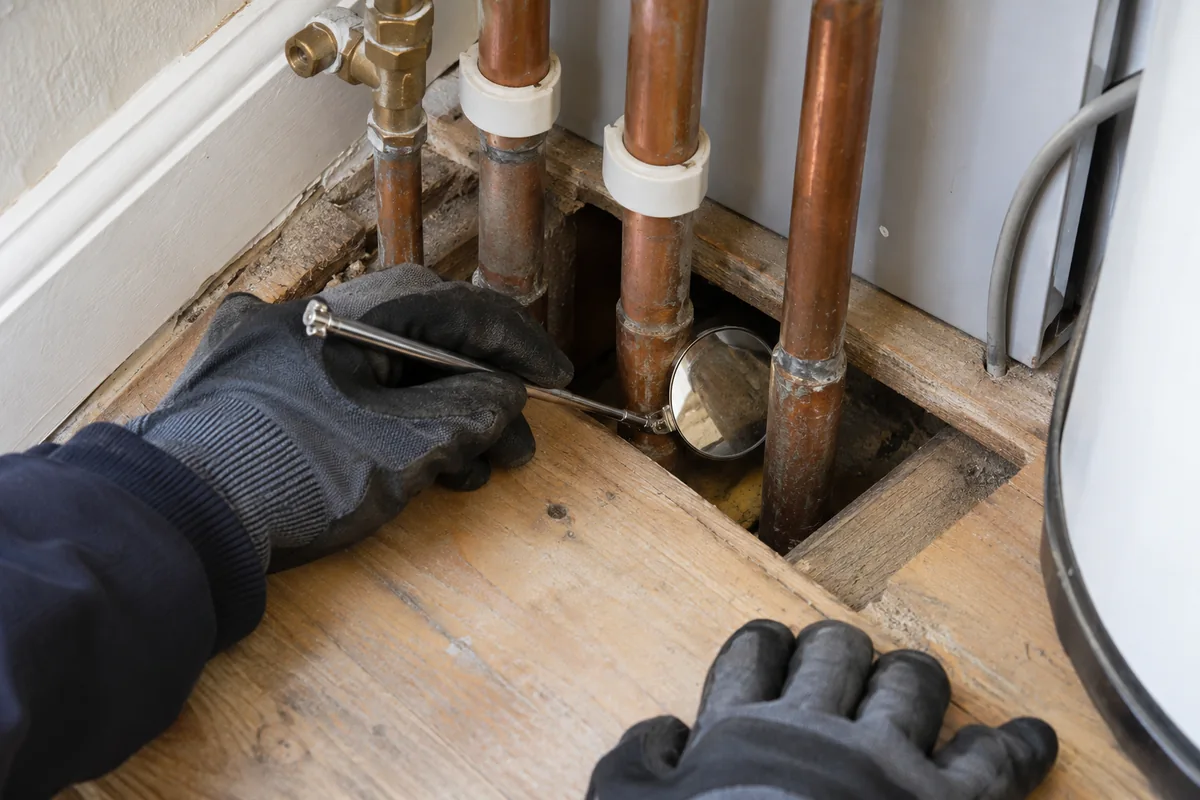
THE PROPERTY INSPECTION
Establish the scope
before choosing control.
The survey follows the pattern described on the call, then checks accessible adjoining areas where signs or building connections justify it. Cupboards, utility spaces, wall edges and stored material may need different checks. Record what can be seen rather than treating every concealed space as an active route.
Ask the specialist to distinguish confirmed evidence, likely explanations and inaccessible areas. Where recent activity is unclear, monitoring may be useful before expanding treatment. In shared buildings, access or repairs outside your premises may require the landlord or managing agent. The inspection layers guide explains how visible signs and building conditions are considered together.
PREPARATION AND SAFE ACCESS
Prepare the affected area.
Keep the evidence in context.
Clear safe access to affected cupboard edges, storage areas and accessible pipe entries. Protect exposed food and explain where suspect material was found. Do not dismantle fittings, move heavy appliances or disturb concealed debris simply to make the room look ready; ask what the inspection actually requires.
Keep a record of products and devices already used, including their location. Discuss how children and pets use the space so precautions can be planned. Any treatment-specific preparation takes priority over a general checklist. The before-visit guidance provides a useful starting point.
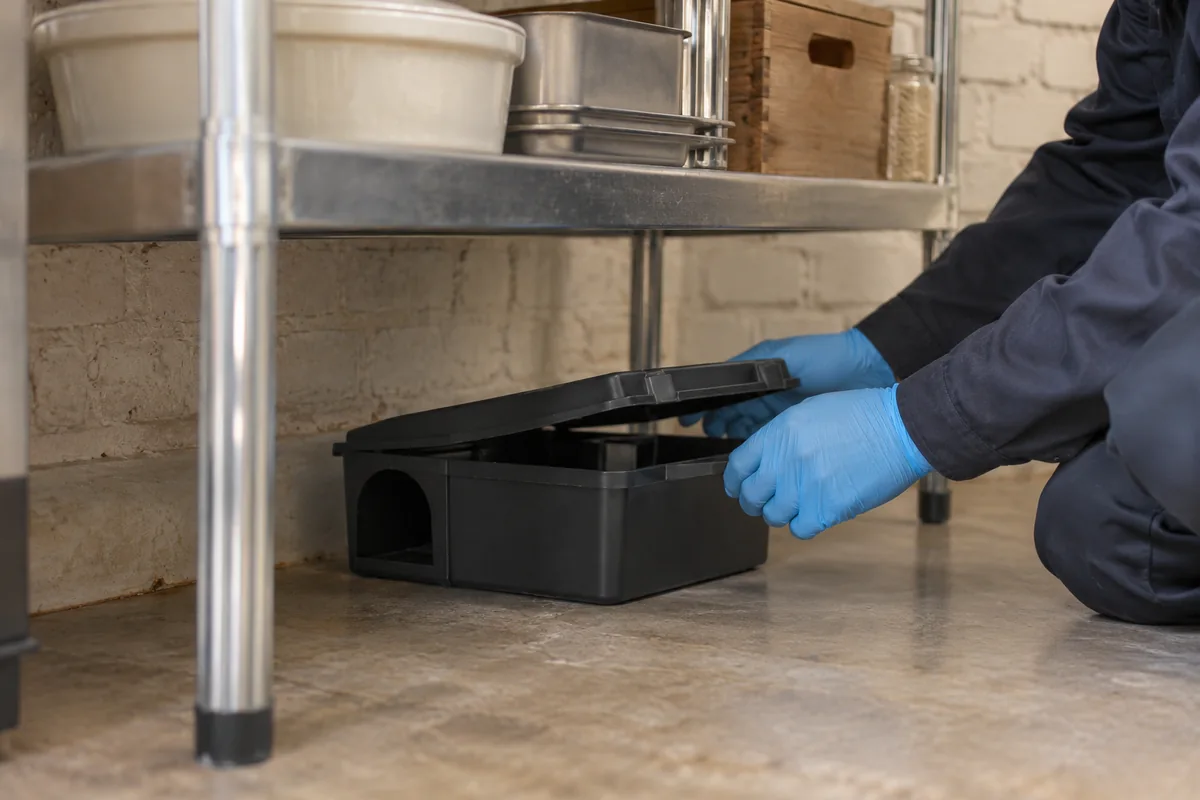
DURING THE VISIT
Know what is being placed
and what it is for.
Before treatment, confirm the proposed work and quotation. The specialist should explain the affected locations, any suitable devices or materials and the precautions associated with them. If the findings change the scope, discuss that change rather than assuming additional rooms or repairs are included.
Keep agreed inspection and device locations accessible. Follow specific instructions about entering affected spaces, cleaning and handling belongings. Do not move, open or add to treatment devices yourself unless instructed. Product suitability and placement need to take account of people, pets and non-target animals; a visible device is not an invitation to copy the arrangement elsewhere.
| Point in the work | Customer action | What to confirm |
|---|---|---|
| Before access | Record signs and previous products; explain household needs | Areas included and any access limitations |
| Before treatment | Review the proposed method and quotation | Placement, precautions and what is excluded |
| While devices remain | Keep agreed access and follow handling instructions | Who checks devices and how findings are reported |
| After the visit | Keep the written instructions and note fresh activity | Review timing, included return visits and separate repairs |
REVIEW, NOT ASSUMPTION
Decide the next step
from fresh information.
A quiet evening is not a complete assessment of progress. Keep notes of new sightings, fresh damage or activity at agreed locations. Explain any change in food storage, access or building work since the visit, because it may affect how findings are interpreted.
The need for another visit depends on the evidence, method and agreed programme. Ask what monitoring and return work the quotation covers, when to report activity and who checks devices. If signs persist, the review may need to examine remaining routes or areas outside the original access scope.
From evidence to review
Record the finding
Note where and when the sign appeared; distinguish new evidence from existing damage.
Check the setting
Consider access, food, shelter, household use and restrictions around any proposed device.
Agree the response
Confirm the purpose of suitable control measures, precautions and the quoted scope.
Review the evidence
Use fresh signs and agreed monitoring to decide whether the plan needs further work.
PREVENTION AFTER ASSESSMENT
Close suitable gaps.
Address what supports activity.
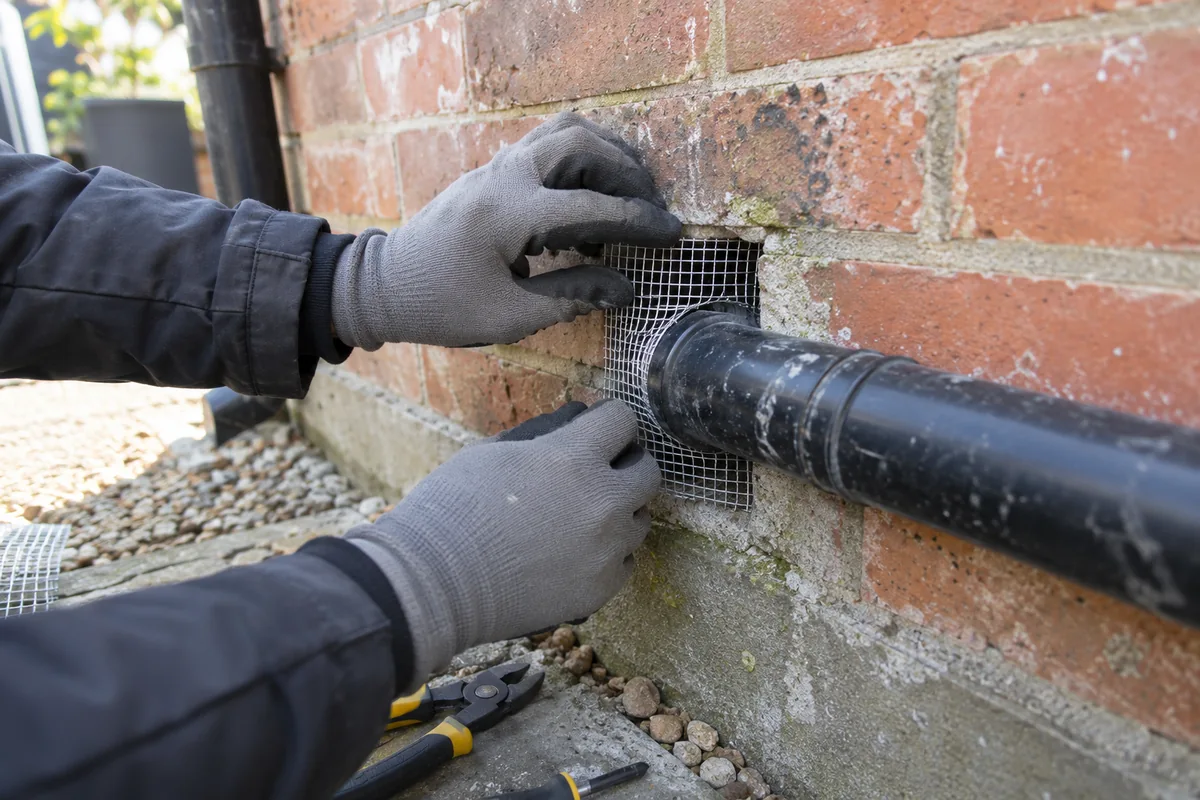
Proofing should follow an assessment of routes and an agreed sequence of work. A specialist may recommend suitable materials for particular gaps, but repairs, ventilation requirements and shared building responsibilities need consideration. Do not assume every opening can simply be sealed immediately.
Store food securely, manage accessible waste and reduce undisturbed material where practical. These actions support a control plan; cleaning alone does not establish that mice are gone. The property conditions guide connects access, shelter and food with the evidence being reviewed.
QUOTATION / WEMBLEY
Confirm the scope,
not an assumed package.
A mouse-control quotation can depend on the affected areas, safe access, proposed methods and review arrangements. Shared premises or separate proofing repairs can alter the work involved. Ask which inspection, treatment and monitoring elements are included, and what would require further agreement. No fixed Wembley price is confirmed here; discuss the property and quotation by phone before booking.
TIME-SENSITIVE MOUSE CONCERNS
Activity around food?
Explain the immediate concern.
If mouse activity is affecting food storage or a vulnerable occupant’s space, call with the postcode, affected area and signs. Explain access and household needs so urgency can be discussed. Protect exposed food, keep people and pets away from suspect material and follow the advice given before inspection. Appointment availability is confirmed by phone; no particular arrival time is assumed.
MOUSE CONTROL QUESTIONS
Practical points
before arranging a visit.
Does one mouse sighting confirm a larger infestation?
It confirms a sighting worth investigating, not the number of animals present. The pattern of signs, accessible routes and any monitoring help establish a proportionate response.
Will sealing a visible mouse hole solve the whole problem?
A visible opening may be only one route. Its connection to activity, the timing of proofing and any shared building access need assessment before repair priorities are agreed.
Can the mouse inspection include neighbouring flats?
Only areas included in the agreed access scope can be inspected. Tell the team about shared service routes or neighbouring reports so permission and management arrangements can be discussed.
Who checks mouse-control devices between visits?
Checking and reporting arrangements should be explained as part of the chosen method. Do not assume every device can be handled by an occupant; follow the written instructions for that location.
Should suspect mouse droppings be cleared before the survey?
Record their location and ask for appropriate handling advice. Avoid disturbing suspect debris simply to prepare the room. A photograph and a clear history can help retain the inspection context.
How are mouse follow-up visits decided?
Fresh evidence, device findings, the method and the quoted programme guide review. Agree when activity should be reported and whether monitoring or return work is included in your quotation.
Can mice control include opening a sealed ceiling void?
Opening building fabric is not assumed within a standard accessible inspection. Describe the concern and any access restrictions so investigation options, permissions and separate work can be considered.