
ABOUT / THE WAY WE THINK
About Our Pest Control Service in Wembley
Understand the signs.
Give every action a reason.
Pest control starts with understanding a property, not selecting a product. Our Wembley service brings the enquiry, inspection and proposed response into one practical conversation: what has been found, what remains uncertain and what should happen next.
THE THINKING BEHIND THE TREATMENT
A finding is a starting point.
Context makes it useful.
The same sighting can mean different things in different buildings. A mouse beside a kitchen cupboard, a beetle at a window or an insect near a bed needs identification and context. The inspection should connect the sign with the surrounding materials, accessible routes and history of activity.
Describe when the problem began, which rooms are affected and what has changed. Recent building work, moved furniture or an adjoining property can alter the questions worth asking. Distinguishing observed evidence from an explanation helps keep the proposed work proportionate.
Risk assessment also concerns the people using the space. Children, pets, food handling, vulnerable occupants and access limitations can affect suitable methods and their placement. A recommendation should explain its purpose and limits, rather than assume every property needs an identical programme.
A clear record matters as much as the first recommendation. Ask which areas were inspected, which could not be reached and why any proposed work is appropriate. Keep the quotation and visit instructions together so decisions can be reviewed against the same information. If new signs appear elsewhere, describe the change rather than assuming the original plan covers another room. This helps the next conversation focus on the evidence and the work actually agreed.
EVIDENCE TO ACTION / OPEN EACH DECISION
The decision room.
Explore the questions behind a treatment plan. These panels describe a way of assessing evidence; they are not a promise that every visit includes every method.
Evidence — What can actually be supported?
Record the location, timing and appearance of the signs. An insect sample or clear photograph may help the conversation, but neither establishes the full extent of activity. Avoid treating a symptom, such as bites or noises, as a confirmed identification.
Inspection — Where does the evidence lead?
Accessible areas are examined against the reported pattern. Cupboard edges, furniture joints, stored materials or external gaps may deserve closer attention. Any concealed area, unsafe opening or shared space outside the agreed access must remain an explicit limitation.
Assessment — What would change the decision?
Consider the identified pest, affected locations, property use and remaining uncertainty together. Further monitoring or another type of investigation may be more useful than immediately expanding treatment. Explain which findings would justify changing the proposed scope.
Treatment — Why this response, here?
A suitable plan may combine source removal, condition changes, monitoring or targeted control. Specific products and equipment depend on the assessment and availability. Before work begins, agree the quotation, preparation, precautions and the responsibilities associated with the proposed method.
Monitoring — What counts as fresh information?
Review new activity, not just the persistence of old damage. Agree what to record, when to report it and how any monitoring will be checked. Further work should follow the evidence and the programme included in the quotation.
WHAT OUR TECHNICIANS LOOK FOR
Different places.
Different questions.
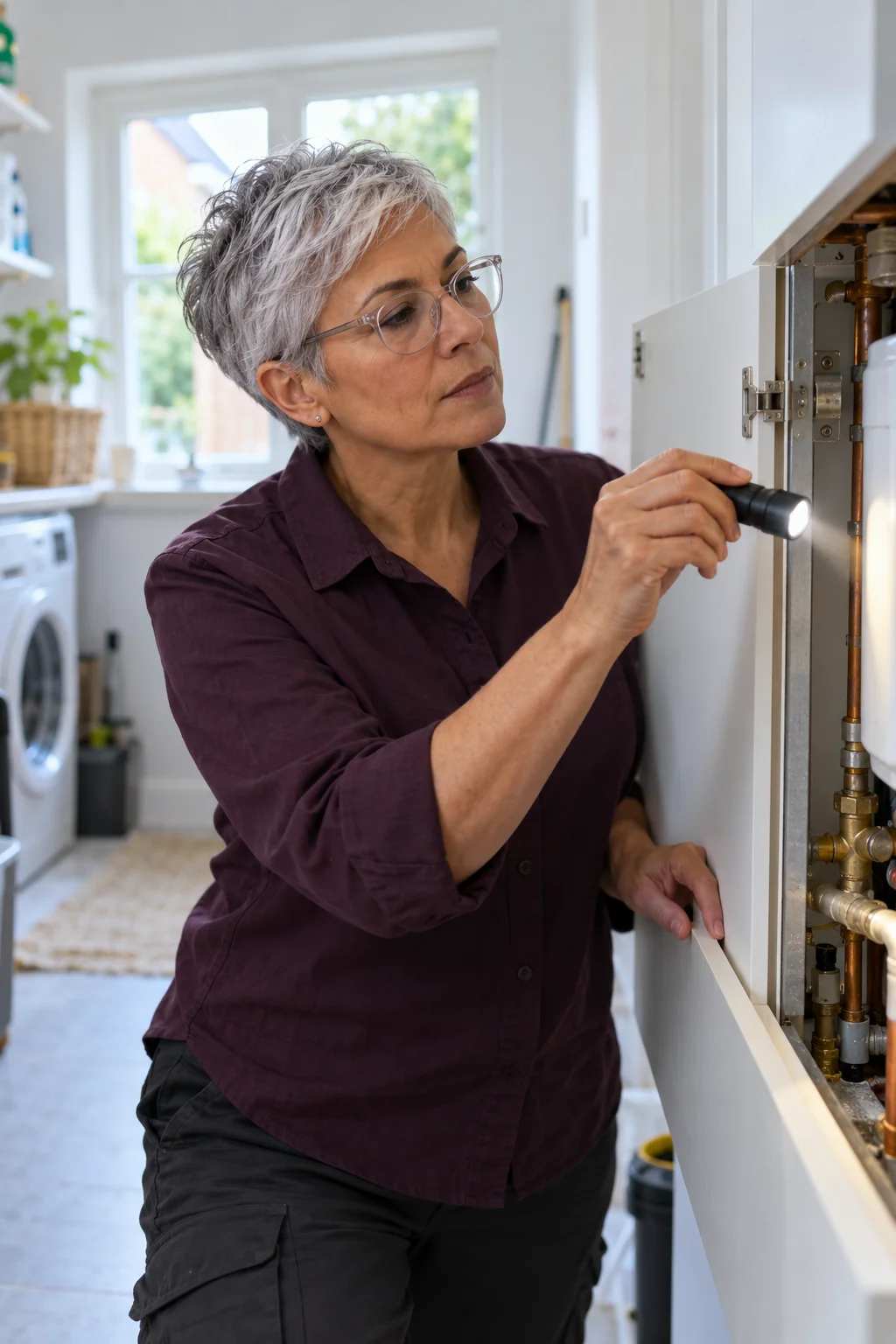
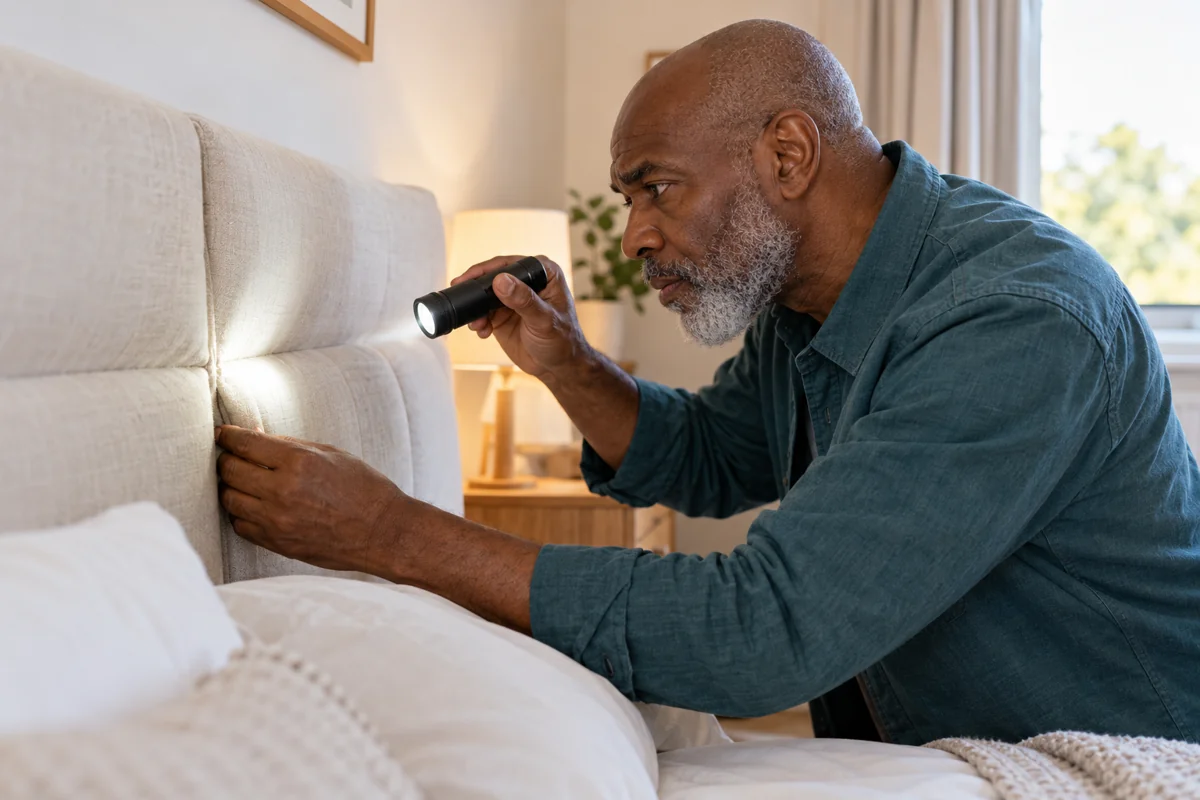
Inspection priorities follow the pest and the setting. The photographs below are illustrative AI scenes, not portraits of our staff or records of customer visits.

Routes and supporting conditions
For mouse activity and rat concerns, the useful clues include fresh damage, droppings and accessible routes. A visible opening is a lead to investigate, not proof of its current use.
Resting areas and joints
Bed bug inspection focuses on identifiable insects and associated evidence around resting places. Furniture seams and joints deserve attention; skin reactions alone cannot establish the species.

Shelter behind the surface
For cockroach treatment, accessible warm, sheltered appliance spaces and plumbing connections can help explain the activity pattern. Food protection and the use of adjoining rooms also influence the plan.

Materials, larvae and sources
With moths or carpet beetles, examine affected fibres, larvae, cast skins and undisturbed debris. Identifying the material and source helps distinguish fresh activity from damage already present.
TREATMENT PLANNING MATRIX
The method follows
the assessment.
| Pest problem | Inspection focus | Possible approach | Follow-up considerations |
|---|---|---|---|
| Rodent activity | Signs, accessible entry points and food or shelter | Suitable monitoring or control; assessed proofing priorities | Fresh signs, device findings and remaining access |
| Bed bug evidence | Insects, resting areas and affected room connections | Suitable targeted treatment; heat suitability assessed separately | New evidence, belongings and agreed review arrangements |
| Cockroach activity | Harbourage, services and food-handling conditions | Monitoring and suitable targeted measures | Concealed sources and adjoining spaces |
| Fabric pests | Identification, natural fibres and undisturbed sources | Source cleaning and suitable material-specific control | Fresh larval signs or damage in overlooked materials |
| Fleas or silverfish | Resting places or moisture-related shelter, as appropriate | Pest-specific preparation, suitable control and condition changes | Further emergence or unresolved moisture sources |

SAFETY IS PART OF THE PROCESS
Plan around the people
using the space.
Preparation should make the agreed inspection possible without creating another hazard. Clear the access requested, protect belongings as advised and explain any difficulty moving items. Do not dismantle fittings or disturb suspect material simply to make a room appear ready.
Before access
Tell the team about children, pets, aquariums and household needs. Describe locked rooms, shared premises or restricted working areas so access and precautions can be discussed.
Before leaving
Keep the specific aftercare instructions. Confirm any re-entry or cleaning restrictions, who checks devices and how new activity should be reported. General website guidance does not replace instructions for the chosen treatment.
OUR PEST CONTROL SERVICES
Find the relevant
inspection questions.
A CONVERSATION BEFORE A COMMITMENT
Need Pest Control Advice in Wembley?
Call with the postcode, property type and signs you have noticed. We can discuss the enquiry, appropriate inspection options and appointment availability. Prepare for your call or return to the Wembley pest control overview for the wider service information.