
WEMBLEY / HA0 + HA9
Silverfish Control Wembley
Silverfish sightings need an inspection of the insect and the conditions around it. A plan may involve suitable targeted treatment, but persistent damp, sheltered cracks or inaccessible storage can affect the outcome. For Wembley properties, start with where and when insects appear, then discuss access, preparation and practical prevention rather than relying on repeated product applications.
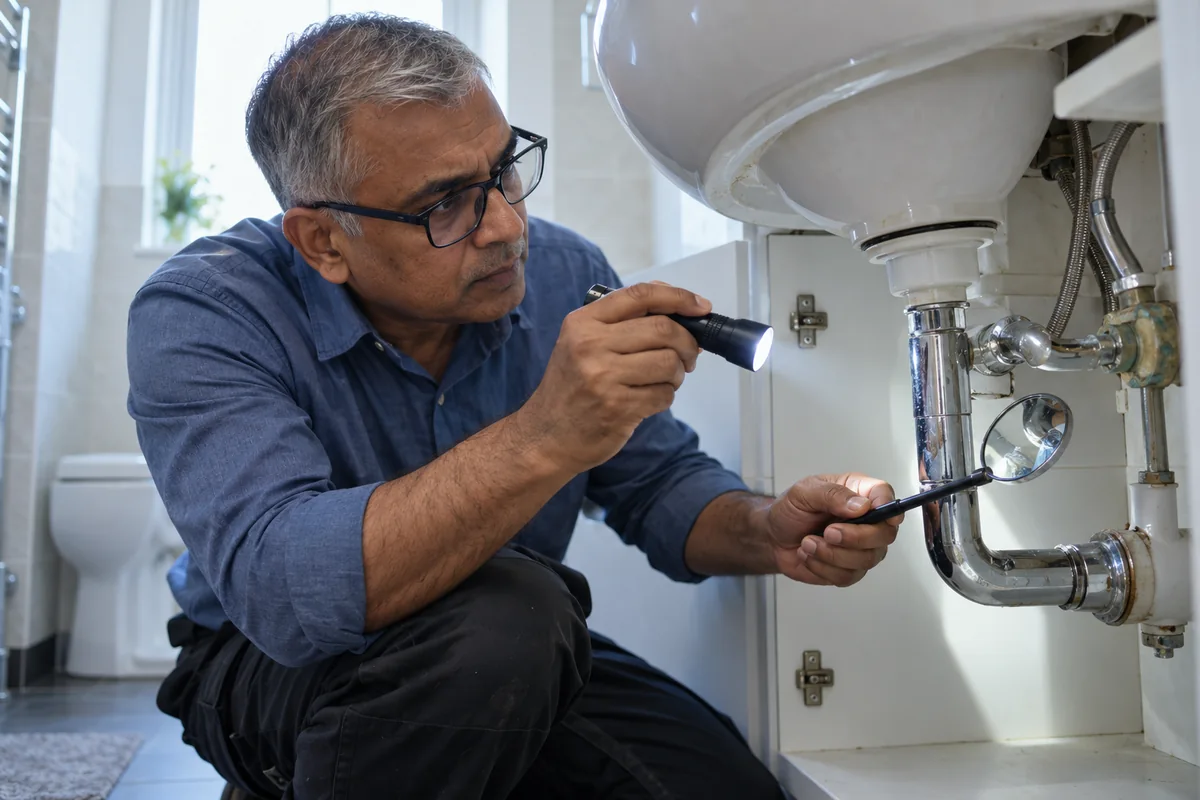
Map sightings before changing the room
When enquiring, give the full postcode and identify the rooms, floor edges or storage areas involved. Explain whether insects are seen regularly, after darkness or only occasionally. A clear specimen photograph can help prepare the inspection; include context where possible rather than only a blurred close-up. Tell us about recent leaks, repair work, stored cardboard and any previous pest products.
Keep a note of where fresh sightings occur. A silver-grey insect in a bath or basin does not reveal every place where activity may be sustained. Do not remove fixed panels or open concealed areas without agreement. Explain whether you own the property, rent it or need a managing agent’s permission, especially where plumbing or shared service routes could require separate access.
A technical pipe-and-joint abstraction separates moisture context, accessible gaps and recorded sightings; it is not a building diagnosis.
Separate insect activity from the damp question
The specialist checks identification and accessible evidence alongside likely sheltered gaps and moisture conditions. Bathrooms and utility spaces can offer useful inspection leads, but the survey should follow the actual sightings rather than exclude other rooms automatically. The aim is to understand activity and conditions, not to turn a pest visit into a structural damp survey.
Tell the specialist what is known about leaks, condensation or ventilation problems and who is responsible for repairs. A pest-control recommendation cannot substitute for qualified plumbing or building work where that is needed. Where the evidence instead centres on warm appliance spaces and a different insect, cockroach treatment requires its own identification and harbourage assessment.
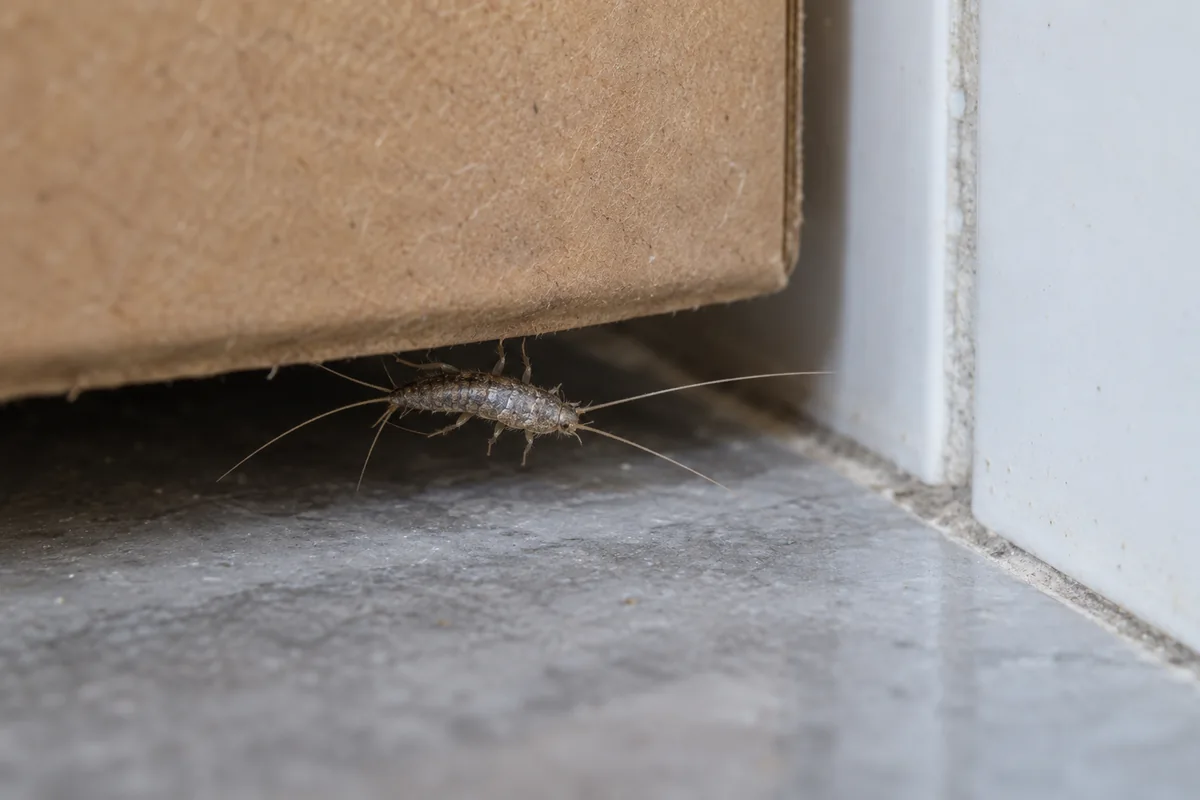
Inspect accessible joints and harbourages
Inspection may look around accessible cabinet bases, pipe penetrations, skirting joints, tile edges and stored materials. A torch or inspection mirror may help view a sheltered gap; a sample or suitable monitor may support identification and review. The equipment depends on the property and purpose of the check. No particular diagnostic instrument is promised as part of every visit.
The distribution of evidence helps define the scope. Repeated sightings around one cupboard may lead to a different plan from activity across several rooms or an inaccessible service void. Record any limits of access in the agreed scope. Moving heavy units, lifting fixed coverings or investigating concealed leaks should not be assumed within a routine treatment quotation.
| Inspection lead | What is assessed | Limit to recognise |
|---|---|---|
| Specimen or photograph | Identification and condition of evidence | A poor image may not establish the insect. |
| Bathroom edge | Accessible gaps and recurring sightings | A visible gap is not the full extent of a void. |
| Moisture report | Known leaks, damp or condensation context | Pest inspection is not a structural damp survey. |
| Stored materials | Shelter and location history | Do not assume every stored item is affected. |
Choose treatment alongside condition changes
Where silverfish activity is supported by the findings, suitable targeted measures may be considered for accessible harbourages. Selection depends on surface materials, room use, occupants and safe access. The specialist explains which areas are proposed for treatment and which environmental actions may support it. A plan should distinguish pest-control work from repairs that another person must arrange.
Reducing moisture or shelter may be important, but general advice must suit the building and household. Do not seal a suspected leak behind a new covering or apply products into service openings without instructions. Report unresolved damp and access restrictions. If natural-fibre damage is the central concern, moth inspection or carpet beetle assessment may be more relevant than assuming silverfish caused it.
| Action area | Possible purpose | Who needs to clarify it |
|---|---|---|
| Targeted pest work | Address suitable accessible harbourages | Pest specialist explains method and precautions. |
| Leak repair | Address an identified plumbing issue | Property owner and appropriate repair professional. |
| Storage change | Reduce accessible shelter where practical | Occupier follows agreed handling advice. |
| Ventilation concern | Review persistent environmental conditions | Responsible person arranges suitable building advice. |

Prepare rooms for safe, useful access
Follow the preparation agreed for your proposed work. Move light stored items away from the affected accessible edge where this can be done safely, and keep their original location identifiable. Explain delicate finishes, stored papers, children, pets and any sensitivities. Protect or relocate items only as instructed; moving clutter into a different room can make the activity record less clear.
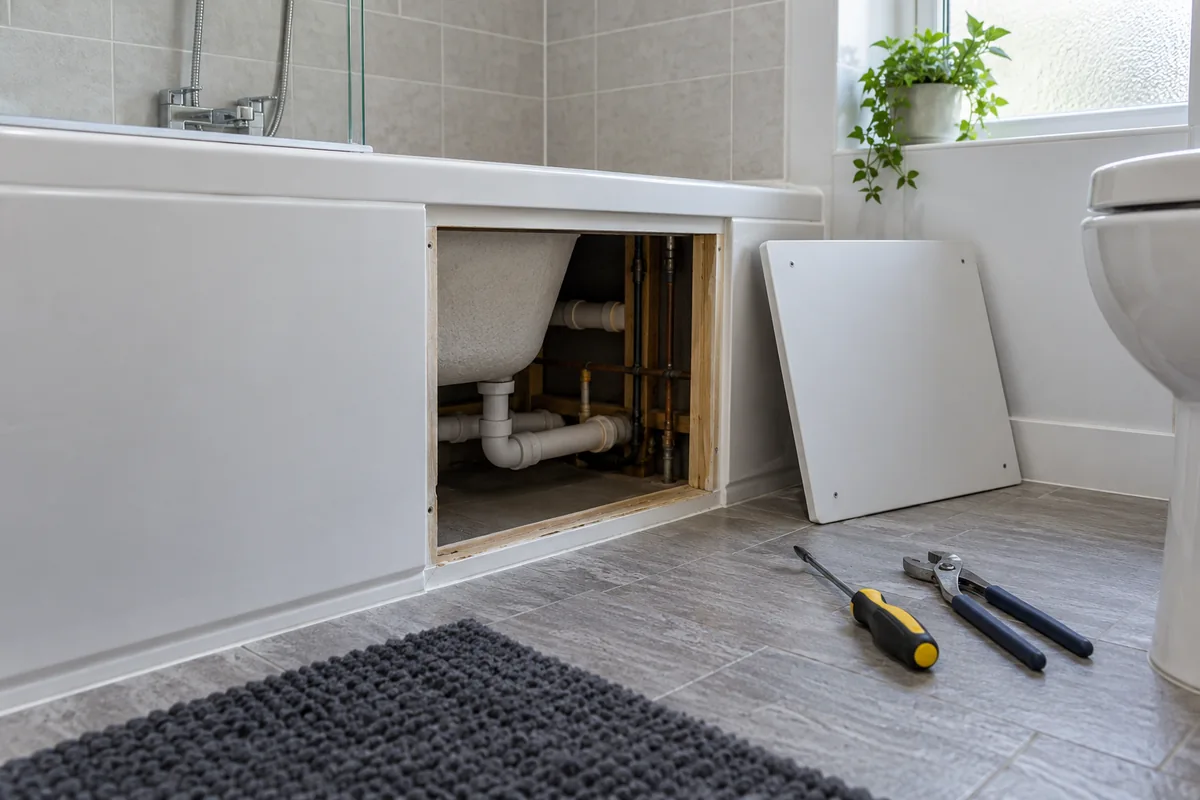
If a removable access panel exists, discuss who can open it safely and whether permission is needed. Never disturb electrical fittings or work on plumbing to assist a pest visit. The specialist should explain the limitations if only the visible side of a void can be checked. Use the Wembley contact details to clarify access before the appointment rather than making risky last-minute preparations.
During the visit and after treatment
Before work starts, confirm the accessible areas, proposed method and precautions. Any suitable targeted treatment should be appropriate to the insect, surface and occupancy. Ask which belongings need protection and whether areas must remain unused for a period. The actual product or method instructions determine exclusions, re-entry and cleaning; there is no single safe waiting time for every plan.
Keep the written instructions for all users of the room, including cleaners or other occupants. Do not disturb placed monitors or add further pest products without advice. Aftercare may involve recording sightings, following a cleaning arrangement and progressing agreed moisture or storage actions. An unresolved leak or inaccessible harbourage can affect the need for review even after appropriate pest-control work.
A useful visit record separates confirmed insect evidence, reported environmental concerns and areas that could not be accessed. Ask which observations support the proposed treatment and which require another professional to investigate. If a repair appointment is already arranged, explain its timing before pest work is scheduled. After the repair, keep notes of what changed and whether sightings continued in the same place. This gives a review something concrete to assess without assuming that a damp report proves an infestation or that a completed repair automatically resolves every concealed harbourage.
Review considers new evidence, access and completed condition changes rather than an invented risk percentage or fixed deadline.

Judge progress with a location record
After the visit, note fresh insects with the date, room and exact accessible area. Photographs or safely retained specimens can help distinguish the same insect from a new concern. A single isolated sighting should be interpreted alongside the agreed treatment plan and conditions. Monitoring, where used, has a purpose and should be reviewed in that context rather than treated as a universal clearance certificate.
Further inspection may be appropriate if activity continues, spreads or changes after repairs and preparation. Tell the specialist when access improves or a damp source is addressed so the plan can be reconsidered. The quotation depends on room scope, harbourages, preparation and any included monitoring or return checks. See the Wembley homepage for the wider inspection approach; no unapproved fixed price is stated here.
| Change | Useful information | Possible next step |
|---|---|---|
| Persistent sightings | Dated locations and specimens | Reconsider harbourages and treatment scope. |
| New access | Which panel or area is now available | Inspect previously inaccessible evidence. |
| Repair completed | What changed and when | Review activity after condition changes. |
| Different insect | Clear photograph and location | Check whether another service is relevant. |
Questions about silverfish control
Will pest treatment repair the damp problem?
No. Pest-control work and building or plumbing repairs are different tasks. Report what is already known about moisture, and clarify who is arranging any repair so the treatment plan can take those conditions into account.
Does seeing a silverfish in the bath locate the source?
Not necessarily. The insect may be noticed where it becomes trapped or exposed. Accessible surrounding joints, storage and the wider sighting record help the specialist decide where inspection should focus.
Should I seal every crack before inspection?
Avoid indiscriminate sealing before the proposed work is understood. It can obscure access or conceal an unresolved issue. Discuss suitable proofing or repair priorities and their timing with the relevant specialist.
Can documents and stored cardboard be checked?
Explain where they are stored and what signs are present. An inspection may consider accessible material and shelter, but careful handling, conservation or moving large archives can require separate arrangements.
Do I need a moisture-meter reading to book?
No. Describe visible conditions, known leaks and the location of insects. The visit scope and any inspection aids should be agreed on their merits; a particular instrument is not assumed as part of every pest appointment.
Can treatment take place in a rented flat?
Tell us who authorises the work and whether access to shared or concealed areas needs permission. Repairs and service routes may involve a landlord or managing agent, even when the visible insect is found within one flat.
What should I record if sightings continue?
Record the date, room, precise accessible location and a specimen image where possible. Mention completed repairs or changes in access. That combination is more useful for review than a simple total of insects with no location history.