

WEMBLEY / HA0 + HA9
Flea Treatment Wembley
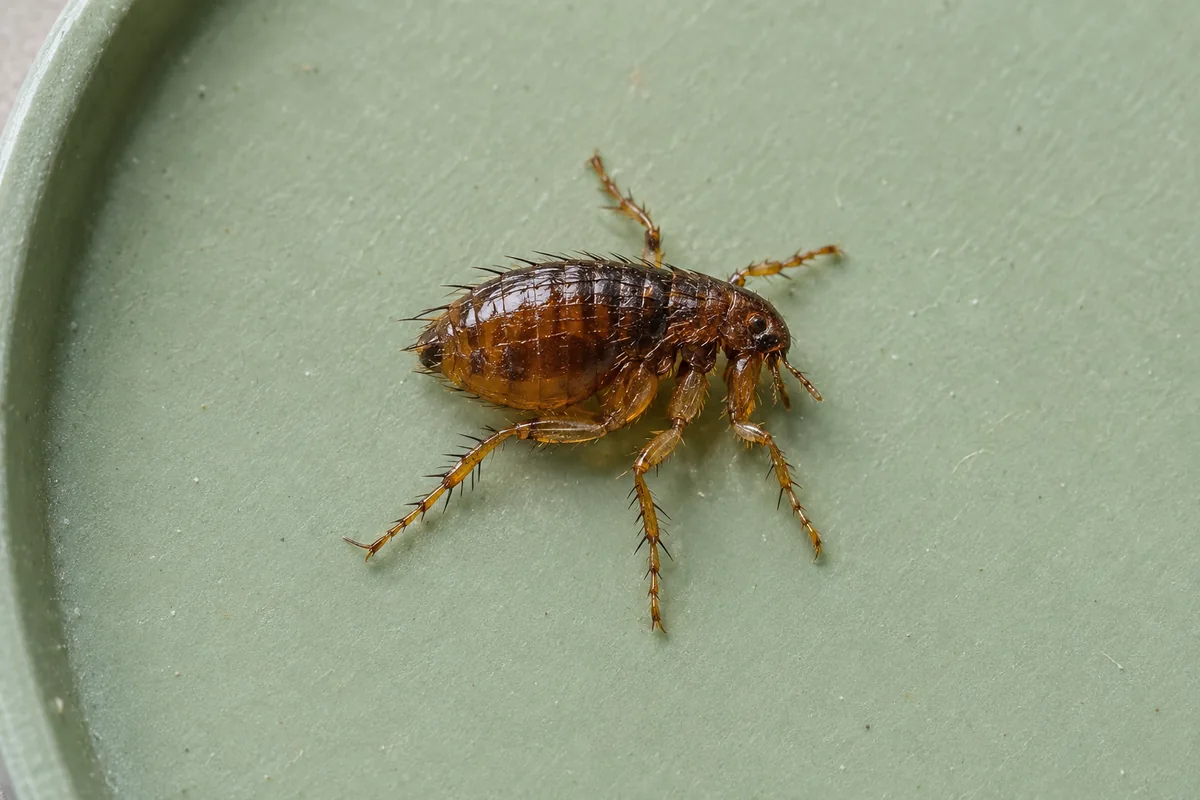
Flea treatment needs a plan for the premises and the conditions around activity. Report where insects have been seen, which rooms are affected and whether animals use the space. The inspection checks identifiable evidence, preparation and suitable treatment, with aftercare explained before work is agreed. Bites alone do not establish that fleas are the cause.
A useful enquiry starts with the room history
Tell us your Wembley postcode, property type and where activity is being noticed. Explain whether rooms have been empty, recently occupied or used by visiting animals. Note when sightings began, whether insects jump and whether a specimen or clear photograph is available. These details help define the inspection questions but do not replace identification on site.
Mention previous products, recent cleaning and any treatment arranged elsewhere. Explain whether you are the owner, tenant or person authorised to arrange work. In a furnished rental, safe access beneath furniture and around floor margins may need agreement. If the concern is predominantly around a bed with no identifiable flea evidence, bed bug inspection may be a relevant alternative enquiry rather than treating bites as a diagnosis.
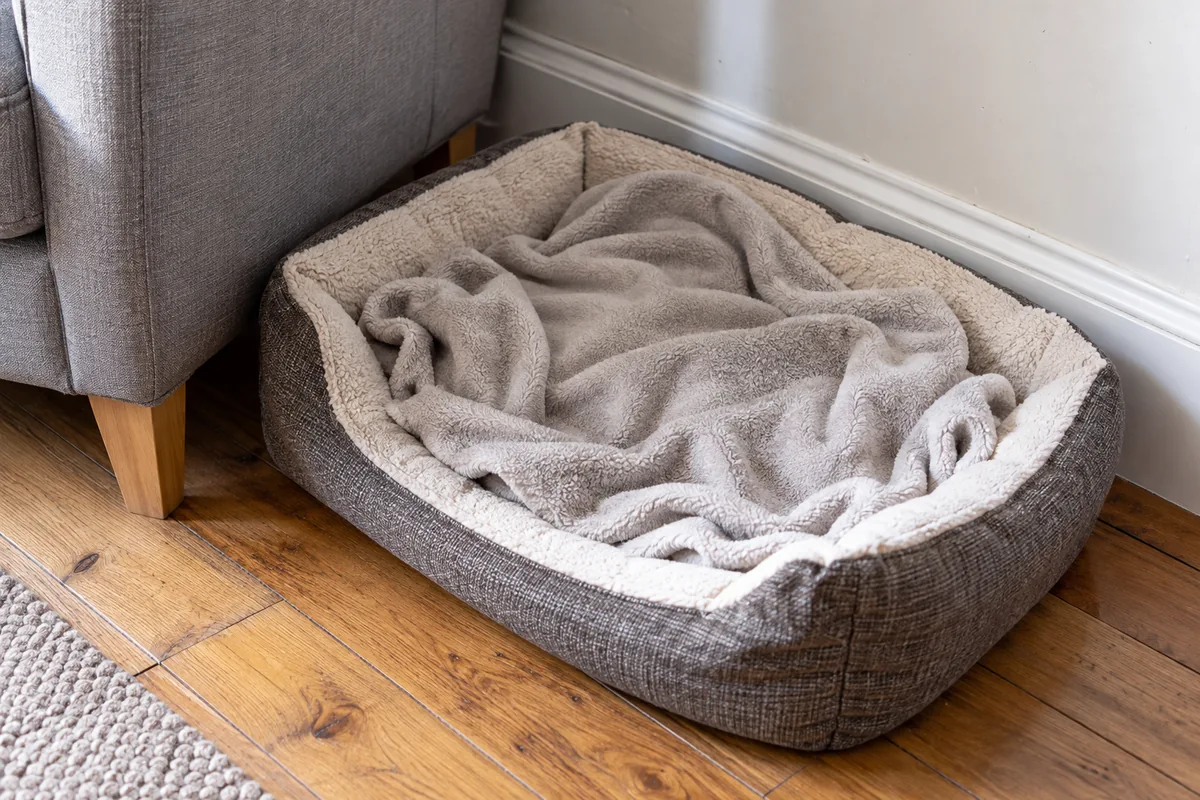
This abstract floor-and-seating view connects resting places with accessible margins; it does not mark infestation probabilities.
Prepare the inspection area in context
Before moving belongings, ask which areas should remain accessible and what treatment-specific preparation is required. Identify animal resting places, regularly used seating and floor edges where activity is reported. Clear light items safely so the specialist can examine relevant surfaces. Keep the locations of specimens or sightings recorded rather than sweeping every clue away without a note.
Tell the team about children, pets, aquariums and sensitivities before booking. Animal treatment must be discussed with a vet; premises treatment is a separate task. Do not apply a household product to an animal or assume that a veterinary product is suitable for floors. Explain any animal-care arrangements so preparation, access and occupancy can be coordinated sensibly.
Inspect floors, furnishings and supporting evidence
The specialist considers specimens, accessible floor edges, carpet and upholstery areas alongside the occupancy history. A room where activity becomes apparent after a period without people or animals may raise different inspection questions from a single insect found near a doorway. Findings are checked in context, including whether reported signs are current and how widely they are distributed.
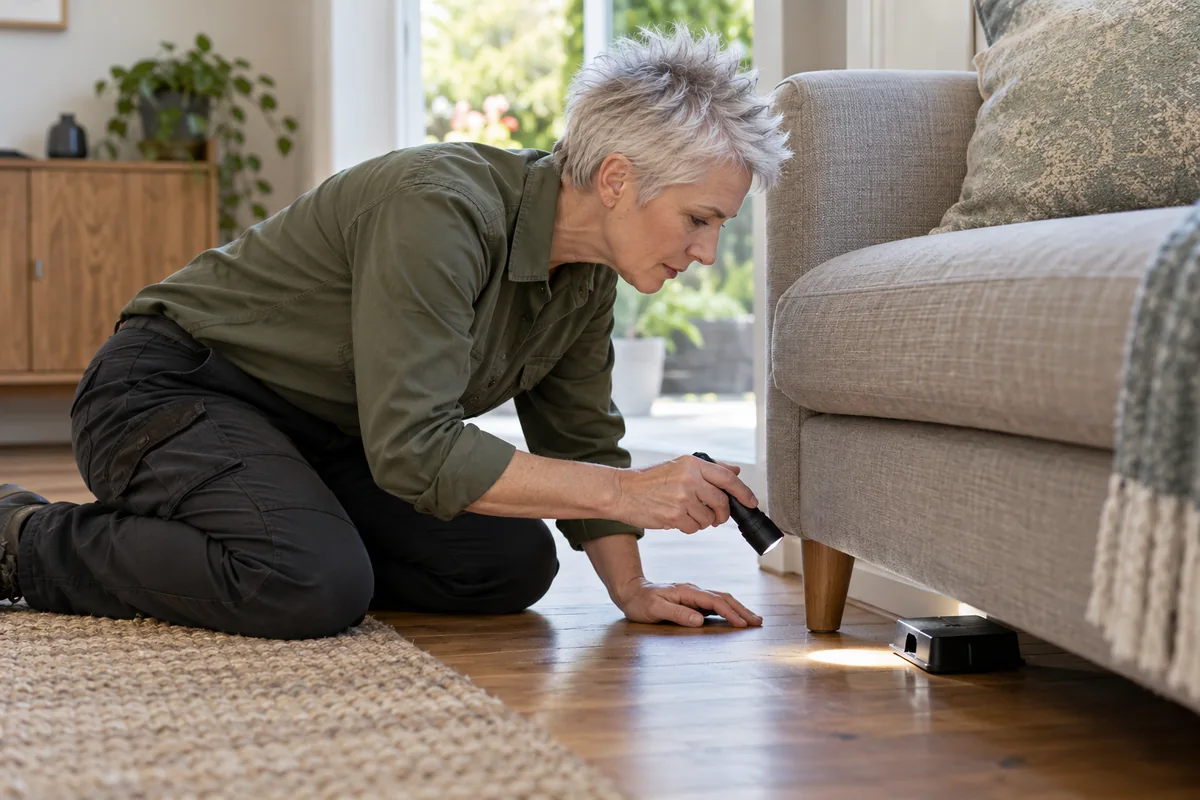
A torch, hand lens, specimen container or suitable monitoring aid may help the assessment. The choice depends on the evidence and access rather than a standard equipment promise. Inspection does not mean dismantling fixed furniture or opening every concealed void. Discuss any limits, and explain whether adjoining rooms, shared spaces or another authorised person need to be involved.
| Information | What to report | Inspection relevance |
|---|---|---|
| Location | Rooms, seating and floor edges involved | Defines accessible survey areas. |
| Occupancy | Recent absence or change of use | Helps interpret when activity appears. |
| Animal access | Resident or visiting animals | Supports coordination with veterinary care. |
| Previous measures | Products, cleaning and earlier visits | Affects precautions and interpretation. |
Agree a premises treatment that fits the findings
Where flea activity is supported by identification and evidence, suitable targeted premises treatment may be discussed. The method should take account of affected surfaces, the extent of activity, occupancy and preparation. The specialist explains which areas would be included, why the approach is appropriate and what access or exclusions are required. Do not assume every room needs identical work.
The quotation should separate the proposed initial work from any monitoring, planned review or additional visits. Ask what happens if the inspection finds a different insect or reveals a wider affected area. General Wembley pest-control information explains the inspection-led approach; a specific flea plan needs the premises findings, not a treatment selected solely from an online description.
On the day: access, treatment and precautions
Follow the preparation provided for the agreed method. The specialist should confirm the rooms and surfaces involved, explain any devices or products used and make the relevant precautions clear. Suitable work may require people and animals to remain away from treated areas. Re-entry is governed by the actual instructions for that treatment, not a fixed time stated for every property.
Keep the written aftercare available to everyone using the premises, including cleaners or a managing agent where relevant. Ask when normal vacuuming or washing should resume and which areas should not be disturbed. Do not add another pest product without advice. Mixing measures can affect safe use, obscure evidence and make progress harder to interpret.

| Topic | Customer action | Specialist clarification |
|---|---|---|
| Access | Clear light obstacles safely | Which floor and furniture edges matter. |
| Occupants | Mention children and sensitivities | Any exclusion or re-entry restrictions. |
| Animals | Arrange veterinary advice where relevant | How premises preparation fits animal-care timing. |
| Aftercare | Share instructions with users and cleaners | When cleaning and normal use can resume. |
New evidence, treatment instructions and access determine the next conversation; no fixed treatment deadline is implied.
Review emergence rather than judging one sighting
Fresh sightings after a visit need to be reported in the context of the plan. Flea development and emergence mean that progress is not judged simply by whether an insect appears once. Record the date, room and circumstances, and keep a specimen photograph if possible. Do not move monitoring aids or alter treatment areas unless the instructions allow it.
A follow-up may be appropriate where activity continues, preparation was incomplete, animal-related sources remain unresolved or the affected scope changes. The specialist considers the reported evidence before recommending another action. Where damaged natural fibres rather than jumping insects are the concern, carpet beetle treatment and moth control involve different inspection leads and should not be substituted automatically.
Before agreeing the visit, check whether all affected rooms can be accessed during the same appointment. If a cleaner, tenant or animal owner is making part of the preparation, share the relevant instructions and confirm who is responsible for each action. Ask the specialist to record any area that could not be inspected or prepared. After work, keep the occupancy and cleaning instructions available rather than relying on a verbal message passed between different people. If activity is reported elsewhere, record whether it was present before the visit or began later; this helps distinguish a change in the assessed scope from an incomplete sighting history.
Reduce the conditions that sustain activity
Prevention should reflect how the property is used. Discuss a practical cleaning routine for accessible floor edges, upholstery and animal resting areas, following the treatment-specific instructions. Coordinate animal care through a vet and explain any changes in occupancy or animal access. A clear record of where renewed activity appears is more useful than repeated unscheduled product applications.
A prompt conversation is sensible where repeated confirmed activity affects sleeping or sitting areas, especially when access or vulnerable occupants complicate preparation. Call the Wembley contact number with the room history and immediate concerns; availability is confirmed by phone. Pricing depends on inspection findings, room scope, access, preparation and included review, so no unapproved fixed tariff is shown.
| Observation | Useful record | Possible review question |
|---|---|---|
| Further insects | Date, room and specimen image | Expected emergence or continuing source? |
| New affected room | When signs began there | Was the original scope complete? |
| Preparation difficulty | What could not be accessed | Does access need to be rearranged? |
| Animal-care change | New visits or unresolved concerns | Is coordinated advice needed? |
Questions about flea treatment
Can fleas be present if I do not keep a pet?
Animal ownership is only part of the history. Explain visiting animals, previous occupants and periods when rooms were unused. The inspection still needs identifiable evidence before a flea-specific premises plan is recommended.
Should I book animal treatment through you?
Animal care belongs with a vet. Tell the pest specialist what advice or arrangements are already in place so premises preparation can be coordinated, but do not use premises products on an animal or the reverse.
Will every carpet in the home need treatment?
The proposed scope follows evidence, room use and access. A plan may cover several areas, but there should be a reason for including each one. Ask which rooms and surfaces the quotation actually covers.
Can I vacuum immediately after the visit?
Follow the instructions for the method used. The appropriate cleaning arrangements depend on the treated areas and purpose of the work; a universal immediate-vacuum instruction could conflict with your specific plan.
Why might activity appear in an empty room?
Changes in occupancy can affect when flea activity is noticed. Explain how long the space was unused and when sightings resumed. This history helps interpretation but does not replace identification or establish the source by itself.
Do bites prove the problem is fleas?
No. Skin marks have several possible explanations. A specimen, a clear photograph of an insect and an inspection of the premises provide better evidence. Seek appropriate healthcare advice for a concerning reaction.
What if I cannot move a heavy sofa?
Explain that before booking. Do not risk injury trying to follow generic preparation advice. The inspection may work around accessible areas, or safe moving and permission arrangements may need to be agreed separately.