
WEMBLEY / HA0 + HA9
Rat Control
Wembley
Connect the signs.
Trace the route.
Repeated movement beside a wall, fresh gnawing or droppings in a cupboard need an inspection-led response. Discuss the evidence, accessible routes and suitable rat control for your property before a method is agreed.
THE ENQUIRY
Start with the route
you have noticed.
When you call, describe where rats or signs have appeared, when they were last noticed and whether the concern is inside, outside or both. Give the full Wembley postcode, property use and access arrangements. Mention children, pets, food storage and any products already put down. These details help plan a useful inspection; they do not replace identification on site.
If you are unsure whether the signs belong to rats or mice, say so. The inspection can distinguish the likely species rather than selecting equipment from a description alone. Our mice control service explains the different checks relevant to smaller indoor rodent activity.
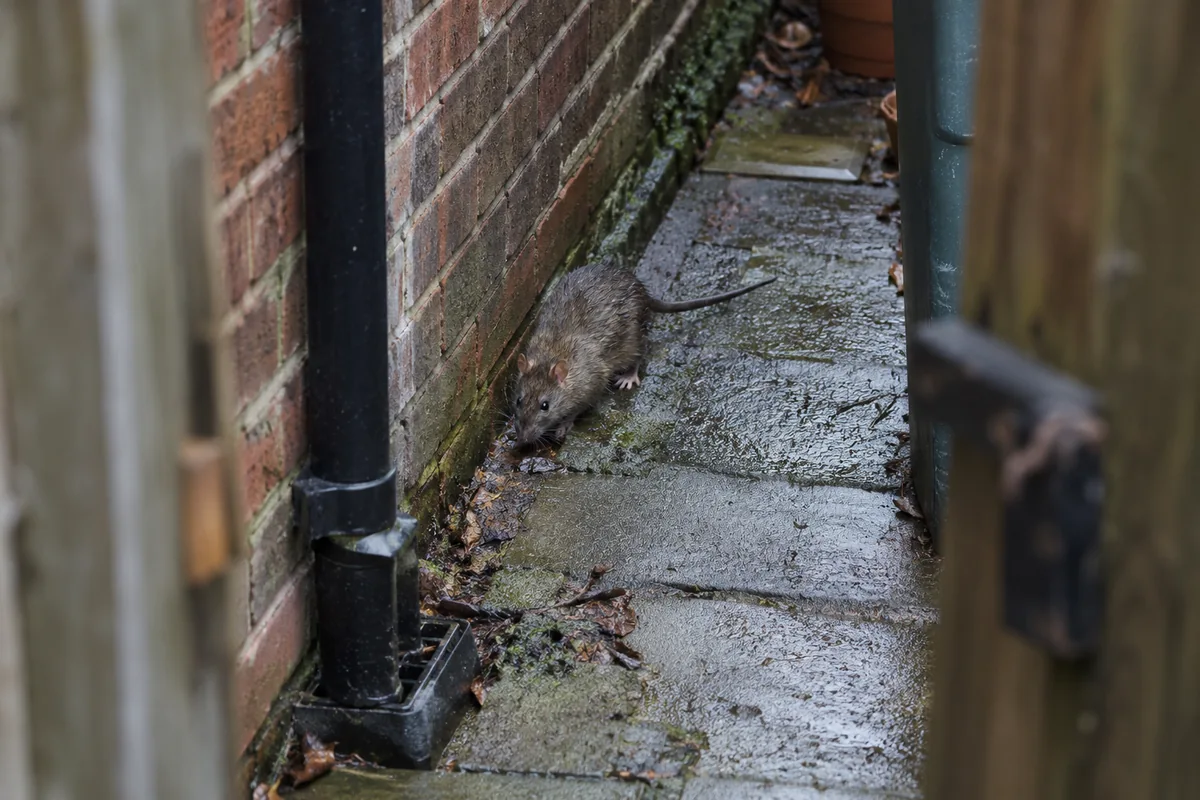
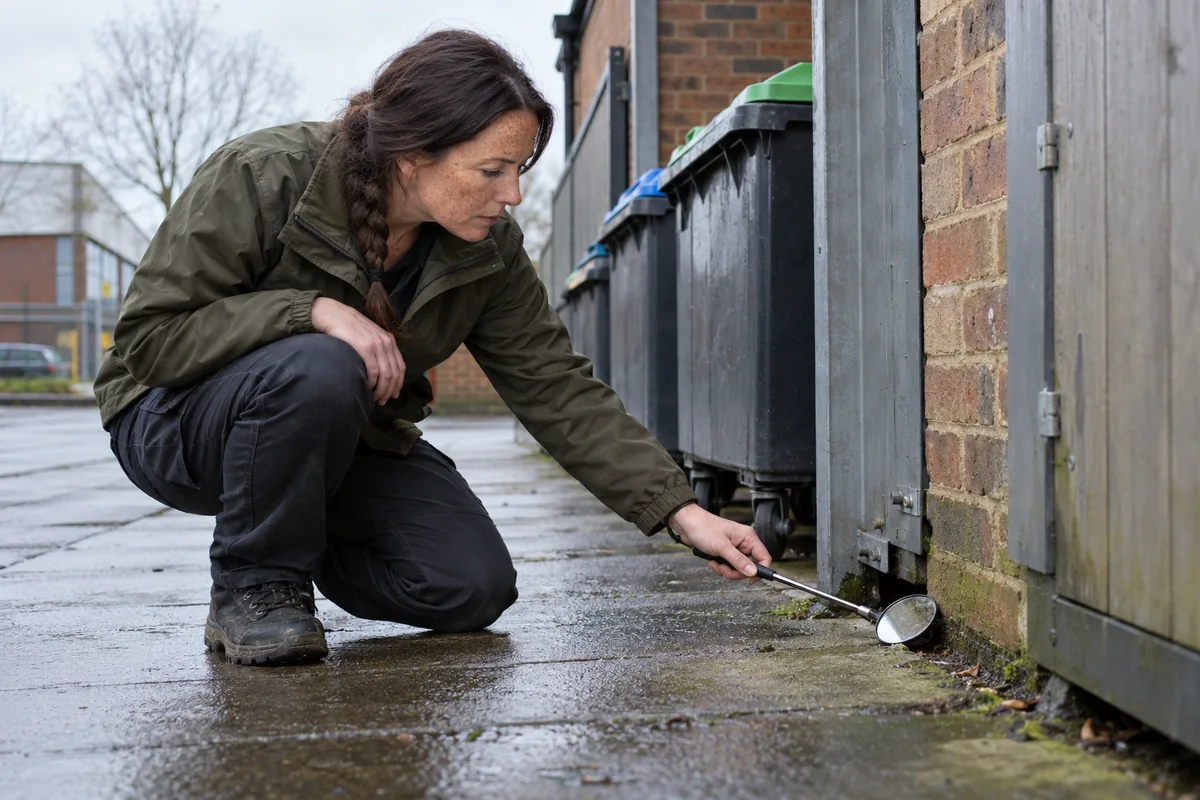
EXTERNAL ROUTE DOSSIER
A gap is a lead.
Evidence gives it meaning.
Illustrative inspection leads, not a diagnosis or a scale drawing of your property.
The external survey looks for a connected pattern: runs along sheltered edges, burrow-like openings, gnawing, food access and possible entry around services. An isolated hole may be old or unrelated. The specialist considers which signs appear recent and which areas can be checked safely, recording uncertainty where the route cannot be confirmed.
| Finding | Useful inspection question | Limit of the finding |
|---|---|---|
| Droppings | Where are they concentrated and are there other recent signs? | Appearance alone does not map every route. |
| External opening | Does it connect with runs, damage or indoor activity? | An opening is not proof of current use. |
| Repeated scratching | Which rooms, voids and times are involved? | Sound does not identify a species on its own. |
| Damaged food packaging | What else is affected and how is food stored? | Old damage needs separating from fresh activity. |
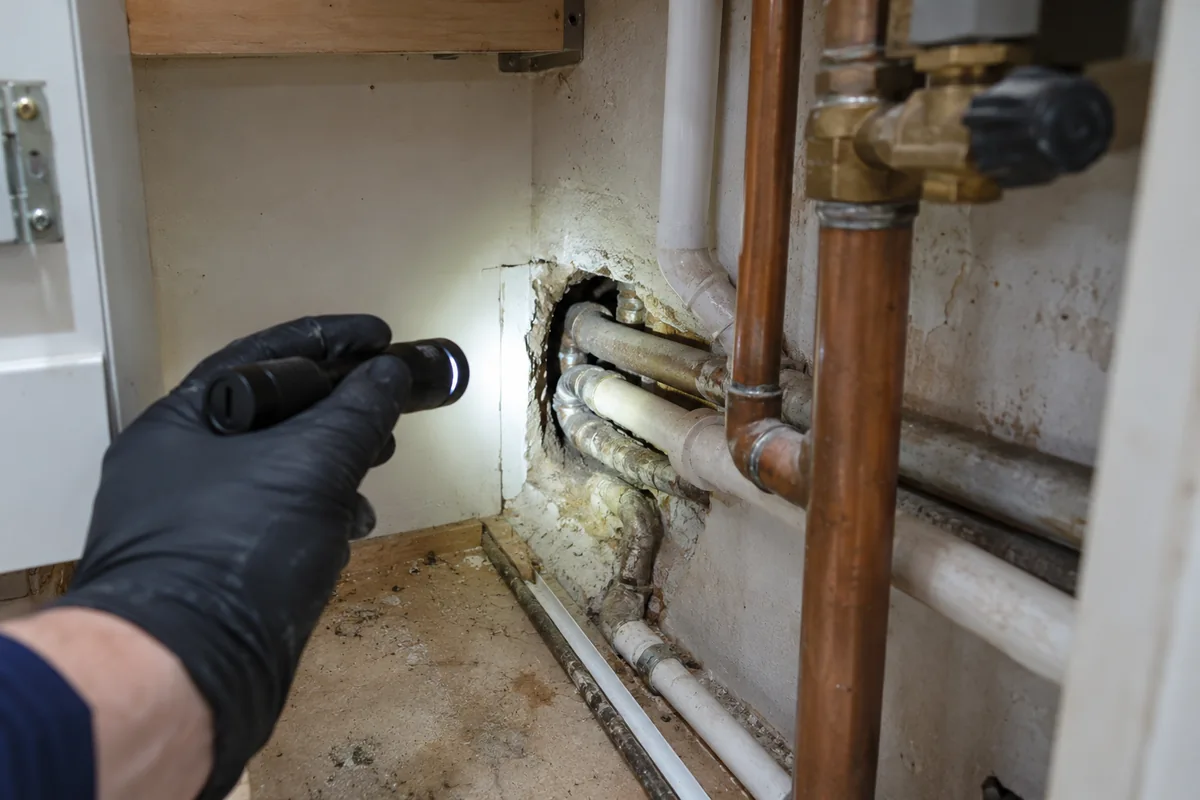
INSPECTION INSIDE THE PROPERTY
Follow accessible
evidence inward.
Inside, the inspection may follow cupboard edges, accessible appliance gaps, service penetrations and places where food or nesting material is available. The customer should point out the first and latest signs, including areas already cleaned or treated. This helps distinguish the original report from what can still be observed.
A torch, inspection mirror or suitable viewing equipment may help examine an accessible gap. Moving a heavy appliance, lifting fixed flooring or opening a void is not assumed to be part of a routine visit. Agree access limits before work so the findings and any uninspected spaces are clear. Photographs can document relevant signs without suggesting that every concealed route has been checked.
Roof-space noise may have another cause. If evidence suggests a different animal, a squirrel assessment may be relevant instead of extending a rat treatment on an uncertain assumption.
METHOD AND PLACEMENT
Choose control around
the property, not a guess.
The proposed response depends on confirmed or strongly supported activity, the location of routes and who uses the space. Suitable traps, protected monitoring or authorised baiting may be considered. No particular product or device is promised before assessment. The explanation should cover why the method fits the finding, where equipment would go and what practical restrictions apply.
Where baiting is appropriate, placement and access controls need to protect people, pets and non-target animals. Traps also require suitable locations and a clear checking arrangement. The specialist should explain the responsibilities attached to the selected method and what must not be disturbed. Discuss previous household products so incompatible or confusing measures are not added to the plan.

From finding to a workable plan
Review may change the placement or scope when fresh evidence becomes available.
| Decision | What should be explained | Customer action |
|---|---|---|
| Method suitability | Why the proposed measure fits the evidence and location. | Describe pets, children and previous products. |
| Equipment locations | Which accessible routes or harbourages are being addressed. | Keep the agreed locations clear and undisturbed. |
| Review responsibility | Who checks, services and removes equipment. | Report fresh signs or disturbed equipment. |
| Proofing scope | Which openings need attention and when work should happen. | Confirm who authorises and completes repairs. |
PREPARATION THAT HELPS
Clear access.
Keep the context.
Before the visit, protect exposed food and keep people and pets away from contaminated areas. Save photographs and note the rooms and dates of fresh signs. Clear safe access to affected cupboards and wall edges without dismantling fixtures or moving heavy items. Do not handle droppings or open protected devices to gather evidence.
Ask for any method-specific preparation before making major changes. Extensive cleaning or sealing a suspected active route can remove useful context or alter the pattern of movement. The specialist can explain which immediate protective steps are sensible and which work should wait until the route is assessed.
Scope and quotation
The quotation is influenced by affected areas, accessible routes, property use, the selected method and planned review visits. Larger repairs, drain investigation or contamination clearance may need separate arrangements. No fixed Wembley rate is assumed here: confirm the proposed work and exclusions before booking through the contact section.
A shared service void or communal waste area may require coordination with the managing agent. Explain who can authorise access, equipment placement and building repairs so the visit can be planned around the actual permissions.
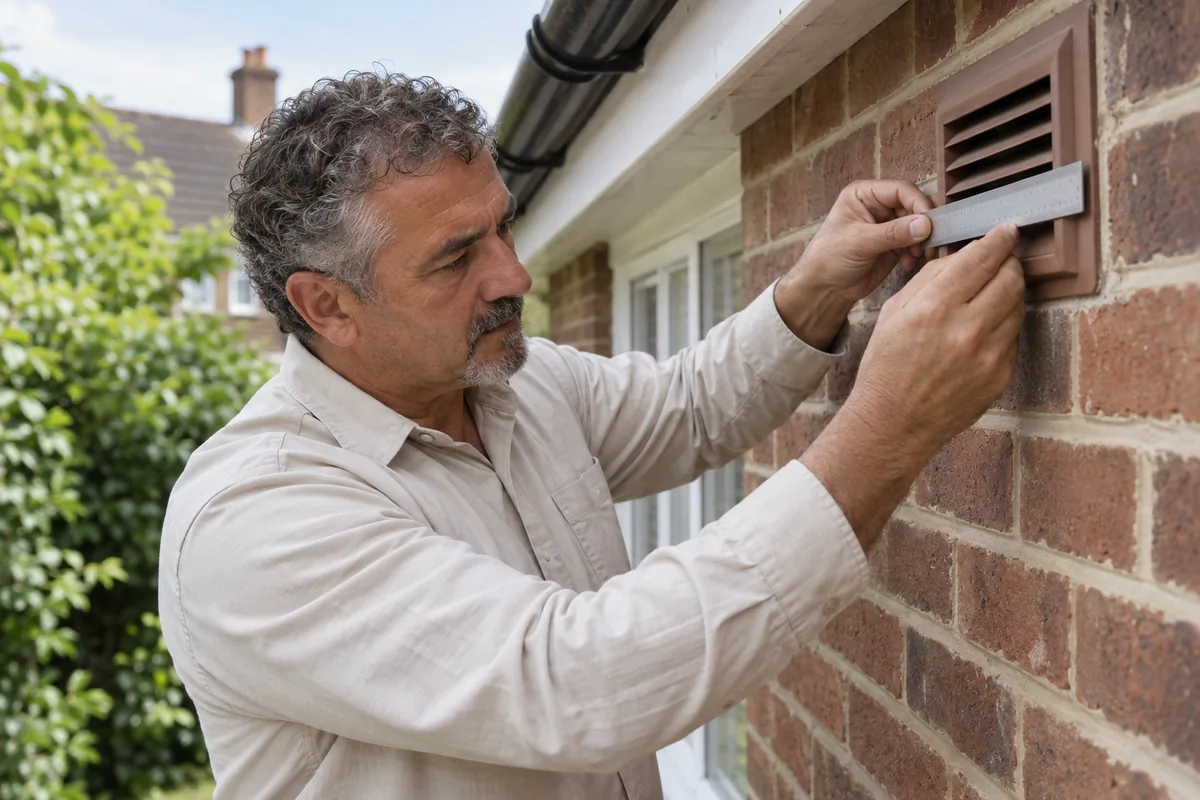
REVIEW AND PREVENTION
Check activity.
Close the remaining routes.
After treatment, keep the written instructions and report fresh evidence with its location and date. A review may consider device findings, renewed damage, continuing sightings and whether agreed food-storage or repair actions have been completed. A single quiet evening is not enough to establish the outcome, just as an isolated sound does not automatically demonstrate failure.
Follow-up needs depend on the chosen method, activity and access. Ask whether it is included in the quotation and what would trigger a further visit. Proofing should be coordinated with the control plan rather than treated as a separate cosmetic task. Suitable repairs, waste management and protected food storage can reduce conditions that sustain repeated activity.
Where activity may connect to a shared bin store, refuse area or drain, identify who manages that space before repairs are arranged. Record when waste is collected, whether lids close and where fresh signs appear, then pass that information to the specialist. Do not close a suspected active opening or alter a drain based only on a sighting; timing and responsibility should follow the inspection findings. Keep the review focused on new evidence and agreed actions, so occupants and building managers know what to report and who can authorise the next step.
| Observation | Record | Discuss at review |
|---|---|---|
| New droppings or gnawing | Photograph and identify the exact location. | Whether the activity pattern or route has changed. |
| A device has moved | Keep people and pets away; do not reset it without advice. | Checking, replacement and access arrangements. |
| Signs beyond the treated area | Note the room, date and any shared route nearby. | Whether the inspection scope needs extending. |
| Repair work completed | Keep a record of the location and completion date. | Whether remaining gaps or monitoring need review. |
For the broader inspection-led approach and Wembley coverage, see our pest control homepage. If the concern includes repeated insects around food rather than rodent evidence, the checks described under cockroach treatment may be more relevant; identification comes before a combined plan.
URGENT RAT CONCERNS
Rat activity around food, repeated entry into occupied rooms or a vulnerable occupant warrants a prompt conversation. Explain what makes the situation time-sensitive, the full postcode and access restrictions. Protect food and keep people and pets away from the affected space while an inspection is discussed. Appointment availability and attendance time are confirmed by phone; no same-day or round-the-clock promise is made.
Questions before a rat inspection
Does a rat in the garden mean there are rats indoors?
Not necessarily. An outside sighting needs context: repeated routes, burrows, food access and openings near the building. The inspection connects outdoor evidence with indoor findings rather than assuming both areas are affected.
Should I block the hole before the inspection?
Photograph the opening and seek advice before sealing a suspected active route. The timing and method of proofing need to fit the control plan, so animals are not simply displaced into another inaccessible part of the building.
Can the visit establish whether a drain is involved?
Accessible external signs may suggest a drainage-related route, but a pest inspection does not automatically include a drain camera survey or excavation. The specialist should explain the evidence and any separate investigation required.
What if rats are using a shared bin store?
Explain who manages the space and who can authorise access or repairs. Activity may need coordination across shared waste areas and adjoining properties; treatment inside one flat may not address the external source.
Will I have to handle traps or monitoring devices?
Ask who is responsible for checking and collecting each device. Do not open, move or handle protected equipment unless the specialist has specifically instructed you. Report disturbance, damage or fresh activity instead.
Can you price the whole job from a photograph?
A photograph helps describe the concern but may not show the route, extent or access limitations. Confirm what the quotation covers, whether review visits are included and which building or drain work would be separate.
How should I describe urgent rat activity?
Tell us if activity is around food, occupied sleeping areas or a vulnerable person, and give the full postcode and access details. Availability is discussed by phone; a particular arrival time is not promised before confirmation.