
COCKROACHES / WEMBLEY
Cockroach Treatment Wembley
Look behind the sighting.
A kitchen sighting is the start of an inspection, not the full picture. Discuss identification, accessible harbourages, suitable treatment and monitoring for a Wembley home or business.

Describe the activity and how the space is used
Tell us where insects have been seen, when they appear and whether there are photographs or specimens to help the initial conversation. Explain whether the concern involves a domestic kitchen, shared accommodation, food premises or another workspace. The property’s use affects access, preparation and the questions that need to be resolved before treatment is planned.
Give the full postcode, the affected rooms and previous products used. Mention children, pets, aquariums and any relevant sensitivities. In a rented property or business, confirm who can authorise the work and whether a landlord, managing agent or duty manager needs to arrange access. The wider Wembley pest control service can help frame an uncertain identification enquiry.
An inspection follows the concealed environment
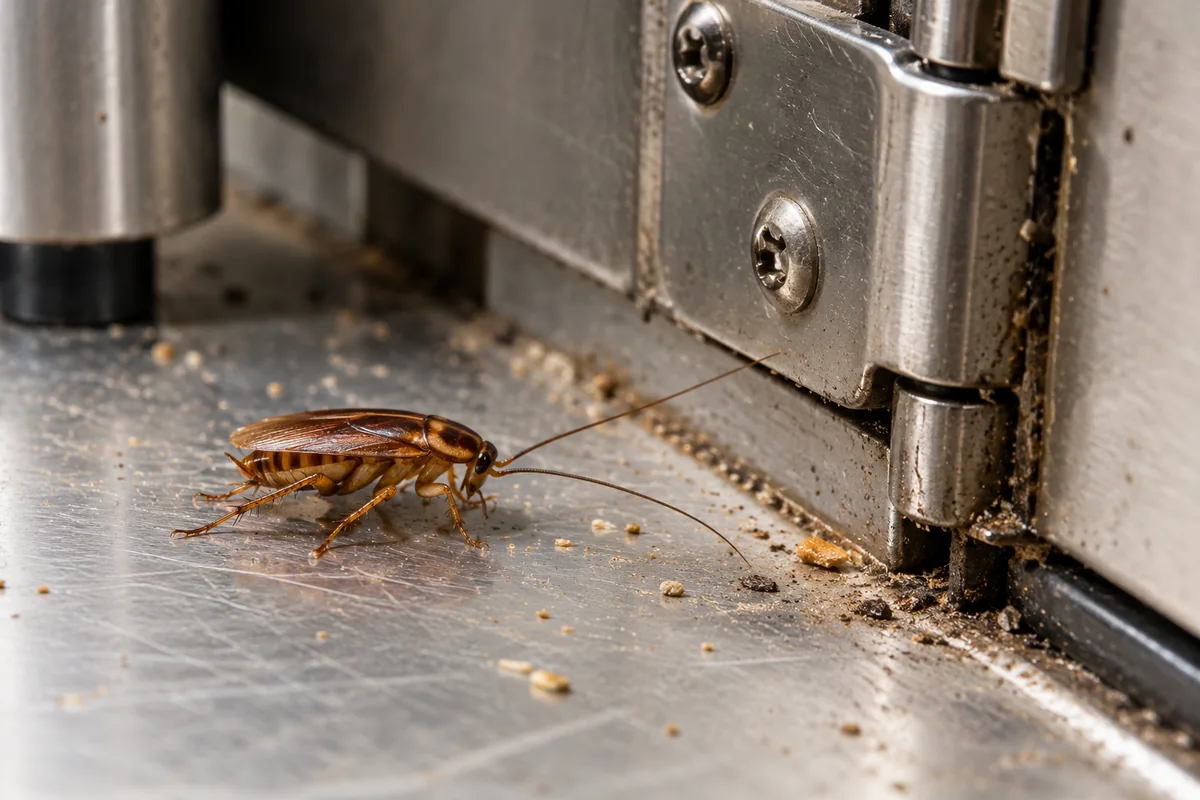
The specialist may examine accessible appliance gaps, cupboard hinges, plumbing routes, sheltered cracks and undisturbed edges. Live insects, immature stages, egg cases and other consistent signs help build a clearer assessment. Warmth, food residues, water and shelter are considered alongside the species and the history of sightings.
A torch, inspection mirror or other suitable aid may help with restricted views. Monitoring devices can support identification and reveal where activity is being found, but a device is not a complete treatment by itself. Ask what was inspected, what was inaccessible and which further checks are needed. Integrated appliances or sealed voids may impose limits that have to be recorded.
The inspection follows evidence rather than tracing every line on a diagram. In flats or connected commercial units, service routes and activity reported next door may require coordinated access. The first accessible harbourage is not automatically the only source.
| Finding | What needs checking | Planning implication |
|---|---|---|
| Live insects | Species, life stages and location | Identification informs the response and monitor plan. |
| Repeated appliance sightings | Accessible warmth, shelter and food residues | Inspect the surrounding environment, not just the visible insect. |
| Egg cases or immature insects | Whether signs support local breeding activity | Review harbourages and affected scope. |
| Connected service gaps | Evidence in adjoining or shared areas | Consider permissions and coordinated access. |
Distinguish identification from the extent of activity
Different insects can be mistaken for cockroaches. Identification matters because a method chosen for the wrong pest may not address the problem. A clear photograph can help, but accessible inspection and monitoring may still be necessary. If the insect is associated with damp bathroom gaps, silverfish control assessment may be more relevant.
Once the concern is identified, the specialist considers where supporting signs occur, which areas can be examined and how the premises are used. Ask whether the quotation covers one room, several connected spaces or an agreed monitoring period. Restricted access should be recorded rather than treated as evidence that an unseen area is clear.
Choose control around the harbourage and activity
Suitable targeted treatment may include gel bait or other assessed measures, supported by monitoring and changes to conditions that sustain activity. The specific product and placement depend on the species, evidence, surfaces and occupants. No particular application is promised simply because the enquiry is described as cockroach treatment.
Ask why the proposed method is suitable and what preparation is needed. Previous sprays, cleaning products or other applications should be disclosed. Do not add unplanned products or clean away an agreed treatment. A coherent plan needs the customer to understand where devices or treated areas must remain undisturbed.

| Part of the plan | Possible purpose | Important limitation |
|---|---|---|
| Monitoring | Locate and review identifiable activity | Monitors do not replace an assessed control method. |
| Targeted treatment | Address activity in suitable accessible locations | Product choice and precautions follow the inspection. |
| Food and waste management | Reduce resources supporting insects | Cleaning alone may not reach a concealed source. |
| Repairs or proofing | Address relevant gaps or defects at the right time | Separate trade work or permission may be needed. |
Prepare access without disturbing services
Clear safe routes to the affected cupboards, appliance edges and plumbing areas. Ask which shelves or storage spaces should be emptied and how food, utensils and packaging should be protected. There is no benefit in moving everything indiscriminately into a clean area. Explain stock or items that cannot be handled within the planned time.
Heavy or integrated appliances require particular care. Do not disconnect gas, electrical or water services to expose a suspected harbourage. Discuss who can move equipment safely and whether an installer or maintenance person is needed. If access cannot be provided, the specialist may need to revise the inspection scope or arrange a further visit rather than force an unsafe opening.

For food premises, coordinate the work with operations
A food business should explain food handling, opening hours, cleaning routines, storage and relevant access restrictions at the enquiry stage. The plan may need to account for when rooms or equipment can be taken out of use. Agree who receives the findings and instructions so that the person present at the visit can act on them.
Any treatment must be considered alongside the premises’ hygiene and operating arrangements. Ask how food and contact surfaces should be protected, which areas require exclusion and what may be cleaned afterwards. This page does not claim a compliance inspection or guarantee an operating outcome; the quoted pest work and any separate responsibilities need to be understood.
Carry out the agreed work, then preserve the instructions
At the visit, review changes since booking, inspect the agreed accessible areas and confirm the proposed work. The specialist should explain the findings, method and limits before proceeding. Where monitoring or targeted measures are appropriate, the customer needs to know the relevant locations and any restrictions on touching, moving or cleaning them.
Follow the specific occupancy and re-entry precautions for the method used. Keep children, pets and unauthorised people away from designated areas. Retain the written treatment and aftercare information, and make sure everybody responsible for cleaning or access receives it. A well-intended deep clean or maintenance task can conflict with the agreed plan if the instructions are not shared.
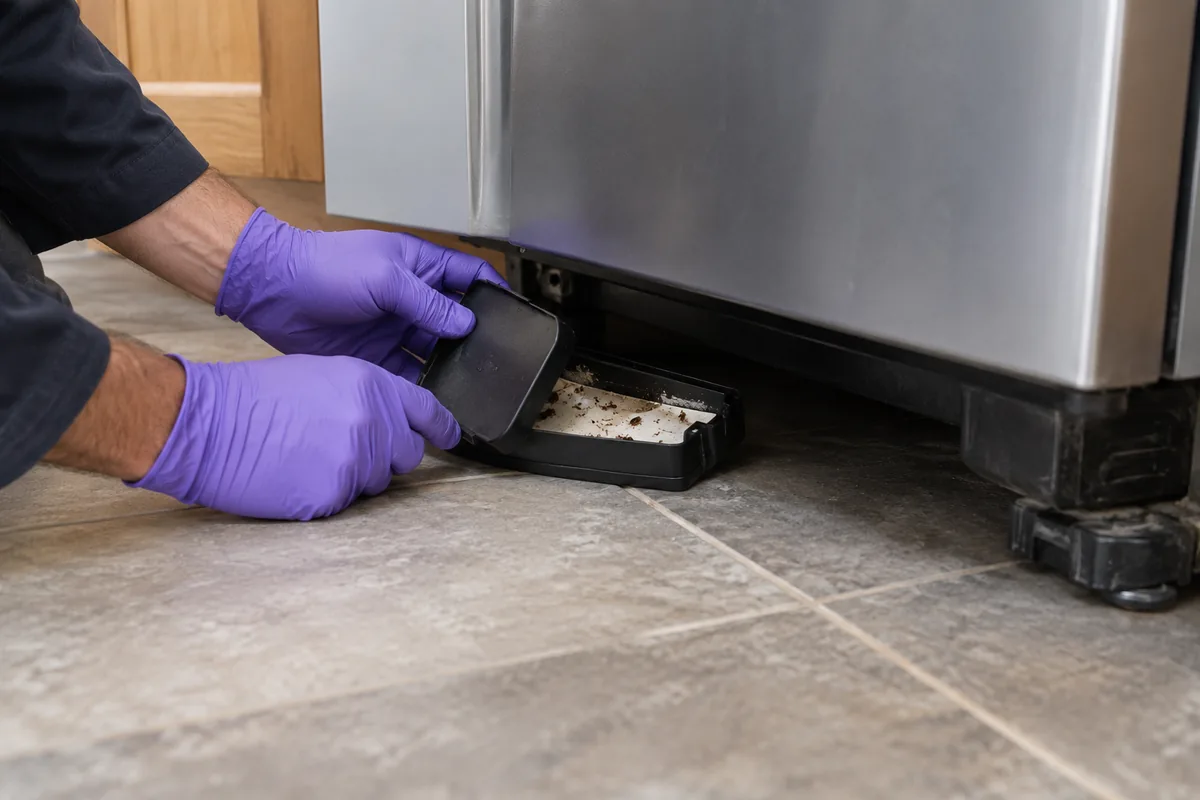
Monitor with a location and a question
Monitoring is most useful when findings can be related to a consistent place and date. The specialist may explain which devices should remain in position and what should be reported between visits. A record of sightings helps distinguish scattered reports from activity repeatedly associated with one area.
| Record | Useful detail | How it supports review |
|---|---|---|
| New sightings | Date, time and exact room or appliance area | Clarifies where further checks may be needed. |
| Monitor changes | Location and the agreed reporting observation | Keeps findings connected to the original plan. |
| Cleaning or repairs | What changed and when | Explains disturbance or changed conditions. |
| Access limitations | Unexamined spaces or new adjoining concerns | Identifies scope requiring further agreement. |
Reduce supporting conditions and agree the review
Suitable cleaning, food storage, waste handling and repair priorities should follow the findings. Pay attention to food residues in accessible appliance areas and report leaks or persistently damp gaps. Discuss when any proofing or maintenance should happen around treatment; sealing an area before the assessment can conceal information or complicate access.
Fresh insects may justify review, but the species, life stage, timing and monitoring findings all matter. Ask what return work is included and what would require another quotation. If rodent signs are also present around food storage, a separate mice inspection or rat assessment may be needed rather than folding unrelated activity into one insect treatment.
Arrange a prompt assessment when the concern is time-sensitive
Repeated activity around food preparation, insects in several connected areas or concerns involving vulnerable occupants deserve a clear conversation. Give the postcode, use of the premises, affected areas and access details when you contact the Wembley team. Protect food and avoid adding products before advice. Availability and the next suitable appointment are confirmed by phone, without an unverified same-day or arrival promise.
The quotation depends on the assessed area, access, suitable method, monitoring and any agreed return work. Explain business or household restrictions early. Confirm what is included, whether return visits are covered and which access or preparation changes could require a revised scope.
Practical cockroach treatment questions
Does one cockroach sighting mean the whole property is infested?
A sighting deserves identification and context but does not establish the full extent. Record the location, time and any supporting signs. An inspection may use monitoring to clarify activity around appliances, cupboards, plumbing or connected spaces.
Can monitors solve the problem on their own?
Monitoring devices help locate and review activity; they should not be confused with a complete treatment. The specialist interprets findings alongside the inspection, then explains suitable control and supporting hygiene or repair actions.
Should I spray the appliance gap before the visit?
Avoid adding products before advice. Tell the specialist about anything already applied, including the product and location. Unplanned applications can complicate the assessment or interfere with the intended treatment approach and precautions.
Will the refrigerator need to be moved?
Only if safe access and responsibility are agreed. Heavy, integrated or connected appliances may need assistance or another trade. Explain access limitations when booking; do not disconnect gas, electrical or water services to expose a suspected harbourage.
Can a food business arrange an assessment?
Yes, discuss the premises, food handling, opening arrangements and who authorises the work. Access and treatment may need coordination with the business’s hygiene procedures. The quotation should state the assessed scope and any monitoring or review arrangements.
How do I know whether fresh insects are important?
Keep a dated record of where insects are found and follow the agreed reporting instructions. Species, life stage, monitor findings and treatment timing all matter. A single sighting cannot reliably confirm either success or failure.
Are silverfish treated in the same way as cockroaches?
They need separate identification and assessment. Moisture and harbourage can be relevant to both, but the species and circumstances guide the response. A photograph may help the initial conversation without replacing a property inspection.