

HEAT / SUITABILITY / WEMBLEY
Bed Bug Heat Treatment Wembley
Assess the room.
Control the conditions.
Professional heat is a treatment option that needs careful planning. Discuss evidence, room suitability, belongings and access before deciding whether a monitored programme is appropriate for your Wembley property.
Begin with evidence and a suitability conversation
Explain where bed bug evidence has been found, which rooms are affected and whether somebody has changed sleeping areas. Give the postcode, property type, access arrangements and any previous treatment. The initial conversation should establish what needs inspecting, not commit the property to heat before its practical constraints are known.
Confirmed activity and the extent of the problem still matter. If identification is uncertain, a bed bug inspection and targeted-treatment discussion may be the appropriate starting point. The Wembley pest control homepage outlines the broader service approach. Explain shared building concerns so that a plan for one room is not mistaken for a complete assessment of connected spaces.
A room is more than its air temperature
A suitability review considers layout, furniture construction, belongings, access and the ability to manage the treatment area safely. Dense or enclosed contents may affect how conditions develop within a room. Electrical supply, equipment placement and any building-specific restrictions need discussion with the specialist rather than assumptions made from photographs.
The assessment should explain what is included, what cannot be examined and whether additional preparation or access is necessary. A proposed heat programme needs a workable method of monitoring relevant locations. No single headline temperature or time is offered here as a guarantee: a property-specific plan and the actual recorded conditions determine the work.

Suitability is a set of connected checks
Ask why heat is being considered and which alternatives remain suitable. A particular room may require changes to preparation, a different scope or another method. The recommendation should be understandable in terms of the findings and access limits, rather than a promise that one technique fits every infestation.
| Assessment area | What is reviewed | Why the answer matters |
|---|---|---|
| Evidence | Identifiable bed bugs and affected resting areas | Confirms the concern and proposed treatment scope. |
| Room contents | Furniture, enclosed storage and sensitive items | Influences preparation and suitability. |
| Access and supply | Safe routes and practical equipment arrangements | Determines whether the proposed work can be managed. |
| Occupants and animals | Exclusion arrangements and relevant sensitivities | Allows precautions to be planned before booking. |
Review belongings before anything is moved
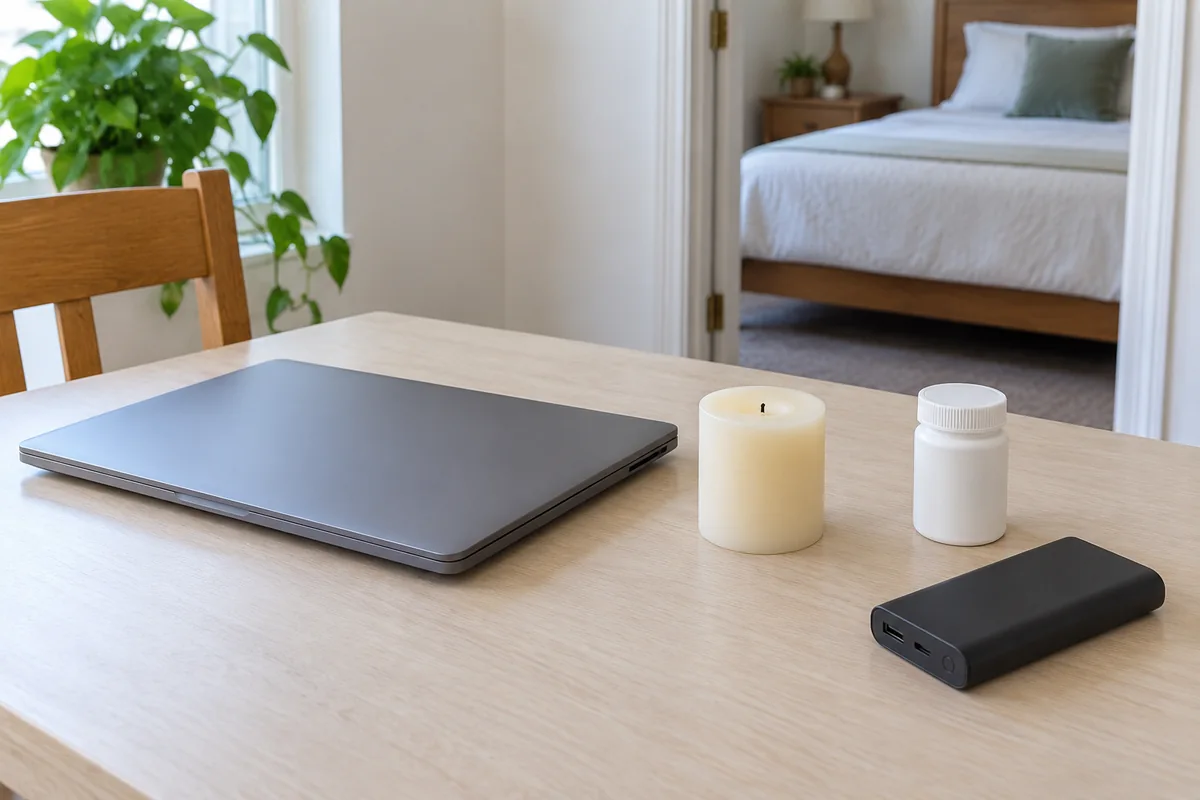
Request a written preparation checklist and explain unusual or valuable possessions. Medicines, electronics, batteries, aerosols, candles and other heat-sensitive items need review; the exact instruction depends on the item and the proposed programme. Do not infer that an unlisted possession is safe, or remove everything from the room without considering the spread of insects.
Ask how suspect belongings should be contained and where any removed items will be kept. Clothing, storage boxes and furniture can conceal activity. Moving unassessed items into an unaffected room can undermine the plan. If a preparation instruction conflicts with a manufacturer’s care guidance or cannot be completed safely, raise it before the appointment.
Make access and occupancy arrangements workable
The team needs an accurate picture of the property before the visit. Explain stairs, narrow passages, parking or delivery restrictions, integrated furniture and any need for landlord or managing-agent permission. The quoted scope should identify the rooms and relevant belongings to be addressed. Changes discovered on arrival may require a revised plan rather than simply adding equipment.
Confirm who can authorise work and who will provide access. Discuss people, pets, aquariums and any occupants who need additional support leaving the treatment area. Do not attempt to reproduce professional room treatment using domestic heaters. The preparation and exclusion arrangements should be settled before work begins, including what happens if an agreed requirement has not been met.
| Preparation topic | Useful information to provide | What to agree |
|---|---|---|
| Sensitive possessions | Materials, product type and manufacturer care limits | Removal, protection or further assessment. |
| Suspect belongings | Where items came from and where they are stored | Containment and handling that avoids redistribution. |
| Furniture and storage | Enclosed or inaccessible construction | Required access and limits of the proposed treatment. |
| Occupancy | People, animals and access needs | Exclusion, supervision and re-entry instructions. |
Monitor relevant locations, not just an open room
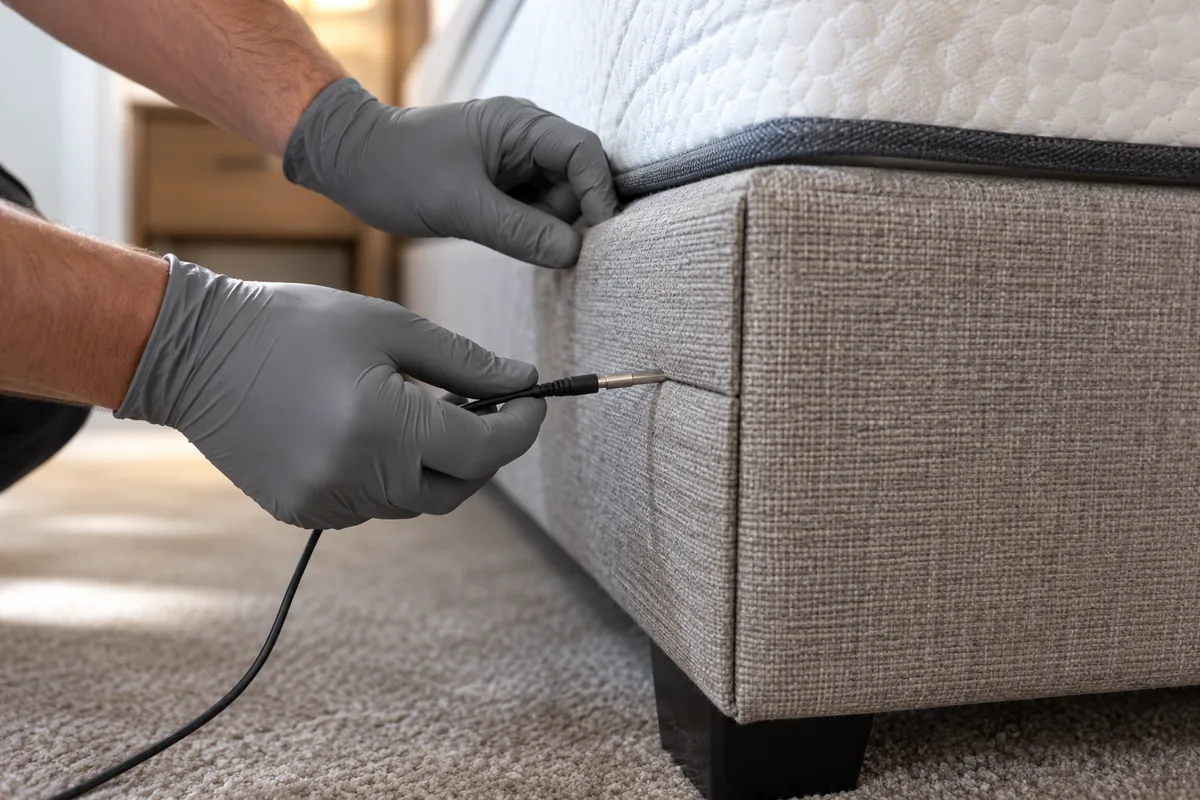
Where heat is suitable, professional equipment and temperature sensors may form part of the programme. Relevant monitoring positions depend on the layout, contents and places where activity can hide. The specialist should explain how conditions are checked and controlled, and what practical limits remain. Sensors and equipment should not be moved by the customer during the work.
Temperature development can differ between exposed air and concealed or slower-warming material. The purpose of monitoring is to inform the controlled process, not to provide a decorative display. Ask what records or findings will be explained afterwards. No assumption should be made that a room is ready for normal use because a particular device has stopped running.
Different locations can require different checks
The visual shows assessment categories rather than instructions for placing equipment. The appropriate locations and handling remain the specialist’s responsibility. A customer should explain inaccessible areas and sensitive contents so the monitoring plan is based on the actual room.
During the controlled treatment and handover
Before work starts, confirm the agreed rooms, preparation, belongings decisions and exclusion arrangements. The specialist should explain the plan and any changes caused by findings on arrival. Treatment areas need to remain managed according to the instructions; do not enter to retrieve a forgotten item or change the equipment without speaking to the person responsible.
At handover, ask what was completed, any limits encountered and what happens next. Follow the specific cooling, access and re-entry advice provided for the property. Check how belongings should be returned and when cleaning is appropriate. If a combined or subsequent targeted method is proposed, its separate precautions also need explanation. A written record makes these distinctions easier to follow.
| Question | Information to retain | Customer action |
|---|---|---|
| What was addressed? | Rooms, contents and scope actually completed | Keep the treatment record and report any access limitations. |
| When can the space be used? | Specific re-entry and belongings instructions | Follow the agreed advice rather than a fixed generic time. |
| What should be watched? | Fresh physical signs and reporting arrangements | Record the location and date of relevant evidence. |
| What may need review? | Outstanding sources, connected areas or later activity | Discuss monitoring or further work within the agreed plan. |

Follow-up is driven by evidence
Review is not replaced by the fact that heat equipment was used. Keep a dated record of fresh signs and follow the agreed reporting arrangements. The extent of the original activity, remaining access issues and any new introduction may affect the next step. Ask whether monitoring or a return inspection is included, and what would require a separate quotation.
Heat does not provide a permanent barrier against bed bugs arriving later. Discuss second-hand furniture and travel-related concerns without moving suspect belongings between rooms. A new report should be assessed on its evidence; a skin reaction alone cannot identify renewed activity.
Scope, cost factors and related concerns
The quotation depends on the assessed area, contents, access, suitable equipment arrangements, preparation and agreed review. Ask for a property-specific quotation that states the preparation responsibilities, treatment scope and review arrangements. Explain any change to the rooms or belongings after the initial assessment.
If damaged fibres are the main concern, moth inspection or carpet beetle assessment may be relevant instead. For activity affecting several sleeping areas or a difficult occupancy situation, call the Wembley team with the signs and access details. Appointment options are confirmed by phone without a guaranteed arrival promise.
Questions before choosing heat
Does heat remove the need for an inspection?
No. The problem still needs identification and a review of its extent. A heat suitability assessment also considers construction, room layout, access and belongings. If the evidence points elsewhere, a different response may be more appropriate.
Can I copy the process with domestic heaters?
Do not attempt room treatment with household heaters or improvised equipment. Safe professional planning involves the property, equipment, monitoring and exclusion arrangements. Ask the specialist what is suitable instead of trying to raise the room temperature yourself.
Are all belongings safe to leave in the room?
No general list can replace an assessment. Explain sensitive possessions, medicines, batteries, aerosols, electronics and unusual materials. The specialist should provide a preparation checklist and clarify what must be removed, protected or reviewed before treatment is booked.
Can anyone stay in the treated bedroom?
The planned treatment area must be managed according to the agreed exclusion arrangements. Discuss occupants, pets and aquariums in advance. Re-entry depends on the specific instructions and checks; do not assume a fixed return time from a generic description.
Why are different sensor positions important?
Room air alone may not describe conditions at concealed or slower-warming locations. A suitable monitoring plan considers relevant furniture and materials. The specialist explains the equipment and practical limits rather than offering a temperature number as a guarantee.
Does heat stop bed bugs coming back later?
It does not prevent a new introduction. Travel, second-hand items or unresolved activity elsewhere can create fresh concerns. Keep the aftercare and reporting instructions and discuss any new evidence rather than assuming every later mark has the same cause.
Can a flat be assessed without treating the whole building?
The initial scope can focus on the affected dwelling, but connected spaces and reported activity matter. Tell the team about adjoining concerns, managing-agent requirements and shared access. Further permission or coordination may be needed before a complete plan is agreed.