
What to record after squirrel control
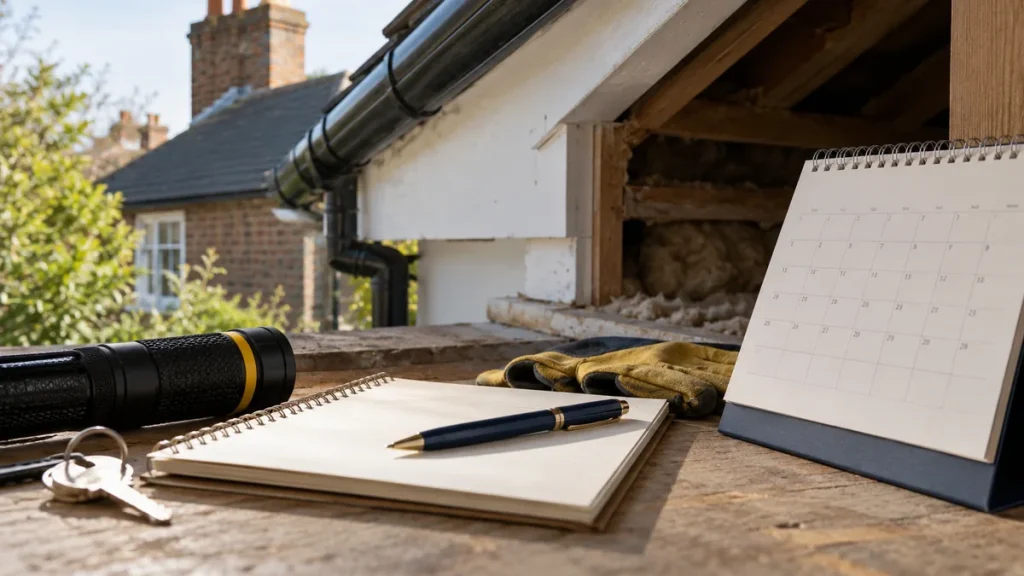
After a squirrel control visit, the most useful question is whether new activity appears and whether the agreed roof repairs have been completed. A quiet loft may be encouraging, but one night is a poor test. An old gap can also remain visible long after movement has stopped. Follow the specialist's written instructions and keep a short, dated record. That gives the team a fair way to review progress without anyone entering the loft, moving equipment or sealing a route at the wrong time.
Start with the agreed plan
Read the visit notes before monitoring. Which areas were inspected, what evidence supported the identification and what remained inaccessible? Was a roof opening confirmed or only suspected? What control, proofing or repair work was assigned, and to whom? Ask what signs the specialist expects you to watch for and when to report them. If the answer is unclear, seek clarification rather than inventing your own test.
Do not move devices or disturb treated areas. Keep children and pets away from any equipment according to the written precautions. If a roofer or managing agent must complete part of the work, record the planned date and let the pest team know about changes. A control visit and a building repair may be linked but are not the same action.
If another household member was present during the visit, compare notes while the advice is fresh. Make sure everyone understands which areas are off limits and whom to call about an unexpected sign. Do not rely on a verbal summary passed through several people when the written instruction gives a specific precaution. If a tenant will move out or a caretaker changes, pass the relevant aftercare to the person who takes responsibility. Monitoring only works when the people using the property know what to observe and what to leave alone. That makes later decisions easier for everyone involved.
Record fresh signs with context
Sounds
Write down the date, time, duration and room below the noise. Was it a repeated pattern or one isolated event? Did it occur during wind, rain or use of heating equipment? A sound can travel across a roof void, so avoid declaring its precise source from the bedroom beneath it. A phone recording may help illustrate the event but cannot identify an animal by itself. Compare the notes with those made before the visit.
Sightings
If you see an animal on the roof, note where it travelled and whether you directly saw entry or exit. Keep your distance and photograph only from a safe position. An animal passing over the roof is different from one using a gap. Do not attract it with food or climb to verify the route. Tell the specialist about a new entry sighting because it may change the proofing plan.
Visible damage
From safe ground level, photograph any new damage around a soffit, vent or roof edge. Do not touch the opening or block it. Inside, report new staining, ceiling damage or accessible material disturbance, but remember that a leak or building fault can create similar signs. If wiring or structure appears unsafe, contact the appropriate qualified professional and keep people clear.
Use a simple log
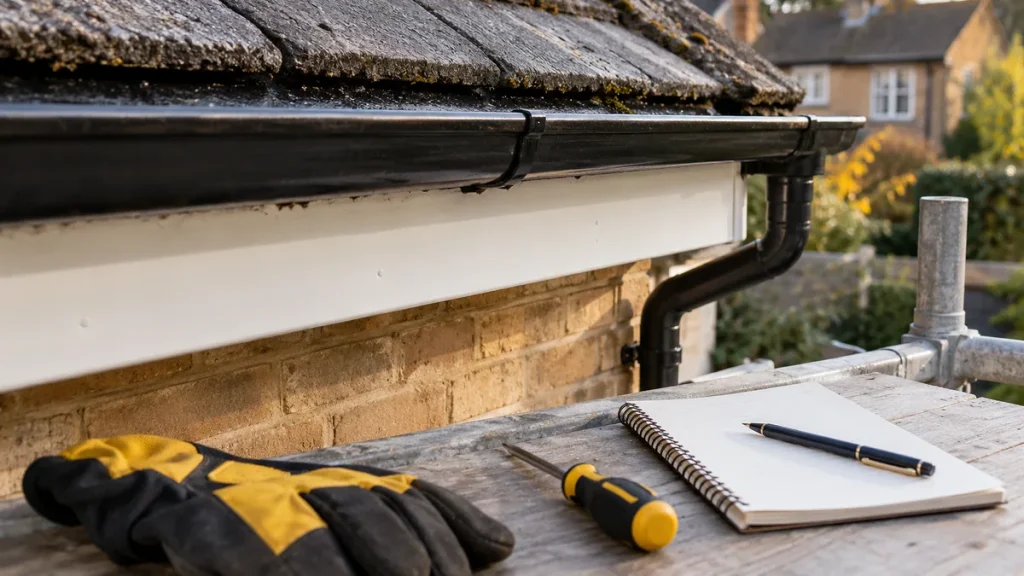
One line per observation is enough: date, place, what happened and whether a photograph exists. Add the dates of roof work, cleaning or access changes. If several people hear the noise, ask them to contribute to the same log rather than maintaining conflicting accounts. Distinguish direct observation from a neighbour's report. The purpose is to help the specialist compare evidence, not to build a dramatic story around every sound.
Do not create a test by leaving food out, repeatedly opening the hatch or banging on the ceiling. Those actions can disturb activity and create risk. Keep normal household routines and follow the aftercare you were given. If you need to enter the loft for an unrelated reason, discuss it with the team first where equipment or suspect material remains.
Repairs matter to the review
An unrepaired opening can permit continued access even if other measures were carried out correctly. Ask who will complete the roof work, whether a separate contractor is required and when the area can be checked again. Record the repair date and any parts that remained inaccessible. Do not assume that a neat patch proves the route is closed. The specialist may need to compare new signs with the repaired location and the wider roofline.
In a flat, a managing agent may control the roof and shared void. Send factual findings to the person responsible for repairs and avoid assigning blame to another resident. If access was limited at the first visit, a return inspection may be needed once keys or safe boarding are arranged. The site's squirrel control service describes reviewing activity and proofing priorities as part of a property-specific response.
Compare the same locations
Use the rooms and roof edges identified at the first visit as your main reference points. If a room has been redecorated or the loft has been cleared, note that change because old marks may become visible and sound may travel differently. A new photograph from roughly the same safe position can help show whether an opening has changed. Do not keep photographing a roof gap from a ladder. If the position is inaccessible from the ground, ask the repair contractor or specialist to document it during their authorised work.
When to report sooner
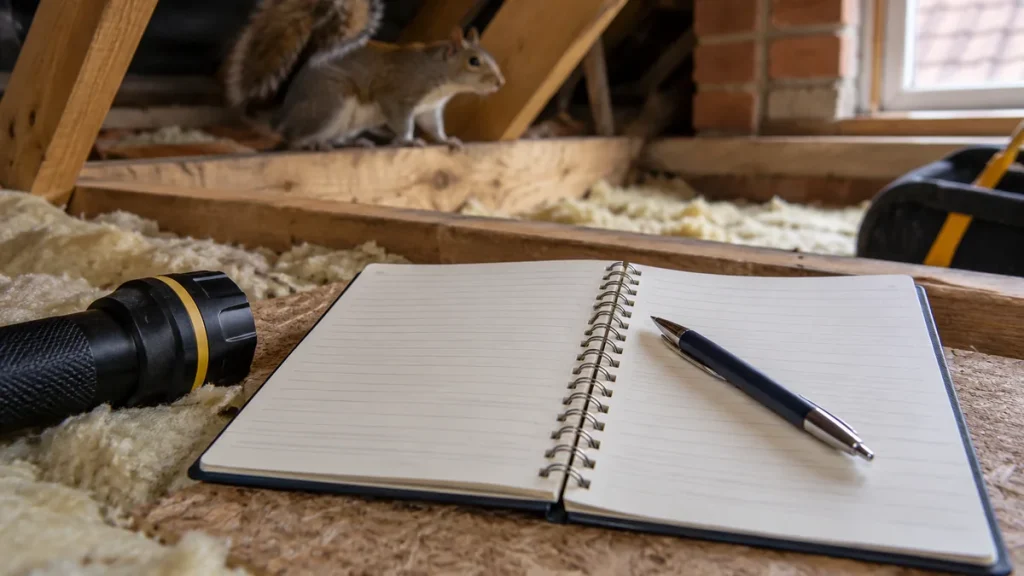
Repeated new movement, a direct entry sighting, damage in a previously unaffected area or a problem with equipment should be reported before the planned review. Give the visit date, the new observation and the status of repairs. Do not add an unapproved trap or chemical because the noise has returned. A change of method should be based on inspected evidence and safe access.
If activity seems to have shifted into walls or a kitchen, list those signs separately. They may require a different investigation, including whether the mice control service is relevant. Do not identify a species from noise volume alone. The specialist can compare new locations with the original loft findings.
Close the follow-up clearly
At review, ask which evidence has stopped, what remains uncertain and whether any roof repair or monitoring is still required. Confirm when equipment will be removed and what to do if new signs appear later. Keep the final instructions in writing for the owner or managing agent. A useful conclusion is tied to the pattern of observations and the condition of the building, not just the absence of noise on the day of the visit.
For the stated Wembley area, the site's contact page provides current details. Share your full postcode, visit date and short log if you need to discuss aftercare. The clearer your record, the easier it is to decide whether a new sound reflects continuing activity, a separate building issue or an area that still needs access.