
Repeated loft activity: when to seek specialist help
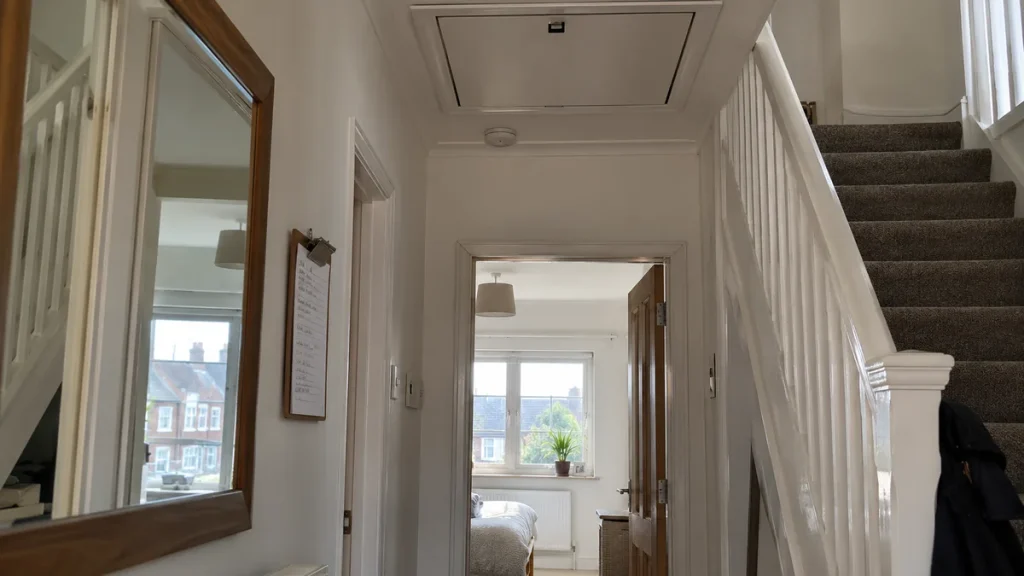
A loft noise that returns for several days deserves more than a guess about the animal. Repeated movement, direct roof sightings or new damage may point to activity that needs inspection, but the cause is not confirmed by sound alone. A specialist can connect the pattern with accessible signs and likely routes, while a roofer or electrician may need to address a separate building hazard. Knowing when to ask for help is partly about the evidence and partly about whether the space can be checked safely.
What counts as a repeated pattern?
Keep a dated record of sounds, their duration and the rooms where they seem strongest. Note daylight, evening or overnight activity without assuming a species from the time. If the noise occurs only in wind or when heating runs, record that as well. Ask other occupants what they heard independently. A recording may help explain the sound to a specialist, but it rarely establishes whether an animal is present.
Direct sightings are different evidence. If you see an animal moving on the roof, note whether it actually entered a gap. Keep your distance and photograph from safe ground level only. Do not set out food to attract it back or climb to watch an opening. A brief sighting may be useful even if it does not prove that the same animal caused the loft noise.
Keep the comparison fair
Note where you were when you heard the sound and whether appliances were running. A short timeline is enough to show recurrence; there is no need to chase a perfect recording. Keep the notes if activity stops for several days. A silent appointment does not erase earlier observations.
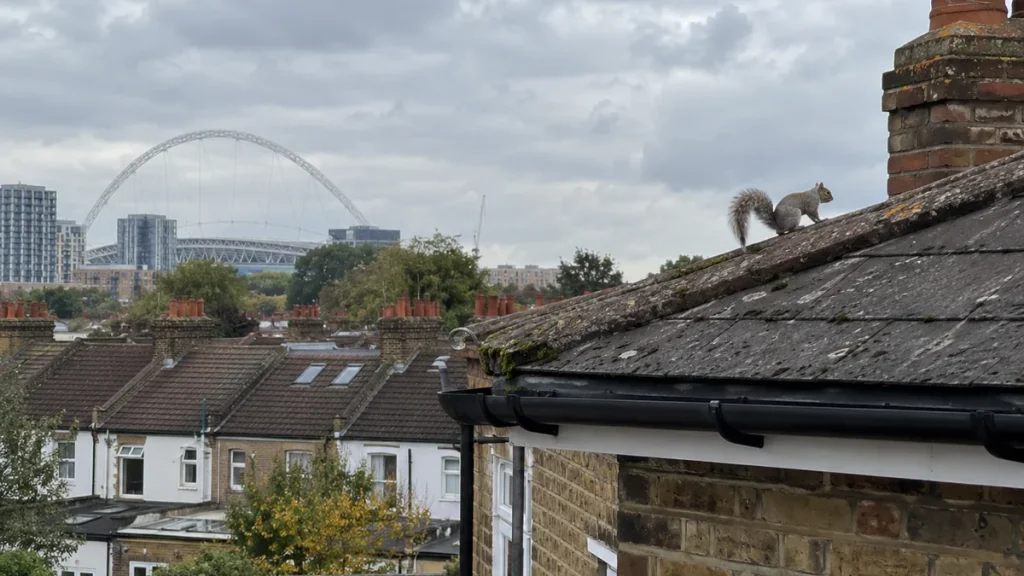
Signs that increase concern
New visible damage to a soffit, roof edge or stored material, repeated movement in a consistent area and a direct entry sighting justify a professional conversation. A strong smell, staining or damaged ceiling may also need attention, though a leak or building fault can cause some of those signs. Keep people away from falling material or wet electrical fittings and contact the relevant property professional. A pest visit should not delay urgent building safety work.
If the loft is above a flat or shared part of a block, ask the managing agent who controls the hatch and roof repairs. Activity may travel through a common void, and the room beneath the sound may not contain the route. Avoid blaming a neighbour or entering a locked area. A factual account with dates, locations and photographs supports a coordinated inspection.
A building issue may be urgent for a different reason
Water staining, a sagging ceiling or damaged wiring needs a response even if no animal is found. Explain those signs when booking, and contact the appropriate qualified trade or property manager. Keep occupants clear of falling plaster and wet electrical fittings. A pest specialist can assess signs of animals within safe access limits; they should not be expected to diagnose an electrical fault or structural failure. Separating the hazards avoids waiting for pest treatment before a necessary repair. It also gives the specialist a better understanding of which areas may be unsafe to enter.
Why repeated DIY attempts can make things worse
Stuffing a suspected roof opening may trap an animal inside or shift movement to another weak point. An improvised trap in an unboarded loft can be difficult and unsafe to check. Do not place loose chemicals or bait in a void or mix products. Tell the specialist about anything already used so they can assess safety and interpret later signs. The site's squirrel control service describes inspection of species and routes before a response is agreed.
General housekeeping does not resolve a roof opening. It can help to keep accessible rooms tidy, but do not move suspect loft belongings into bedrooms or dismantle insulation. If a repair is needed, agree the timing with the pest specialist and roofer. A neat patch does not confirm that the space is clear or that another route is absent.
If a previous visit took place, gather its report rather than starting the story again. Note which areas were inspected, what activity was confirmed, what repair was recommended and whether it happened. An unresolved access limitation can make a recurrence appear mysterious when the original route was never examined. Ask the new specialist to compare current signs with that record. Do not present an old photograph as a fresh sighting. Dated observations and completed work clarify what has changed.
What to expect from an assessment
Evidence and access
The inspector should explain which areas were reached and which were not. They may compare roofline photographs, sounds, safe loft observations and direct sightings. If the hatch is unsafe or a roof opening needs specialist equipment, a return visit or another trade may be appropriate. Ask what further access would allow a stronger conclusion. A partial inspection can still be useful if its limits are stated plainly.
A proportionate plan
Ask what supports the likely species, whether control is needed and how proofing or repairs will be sequenced. Clarify precautions for occupants and pets, the scope of the quotation and any monitoring or return visit. A good plan separates confirmed signs from suspected routes. It should identify who will arrange roof work and how the team will judge progress afterwards.
Other explanations
Pipes, ventilation, birds outside and loose roof components can create misleading noise. An inspector should consider these possibilities where evidence is weak. If signs occur primarily in walls or kitchens, describe them separately; the mice control service may be relevant to another pattern. Do not insist on one diagnosis simply because it seems to match the sound.
When to make the call
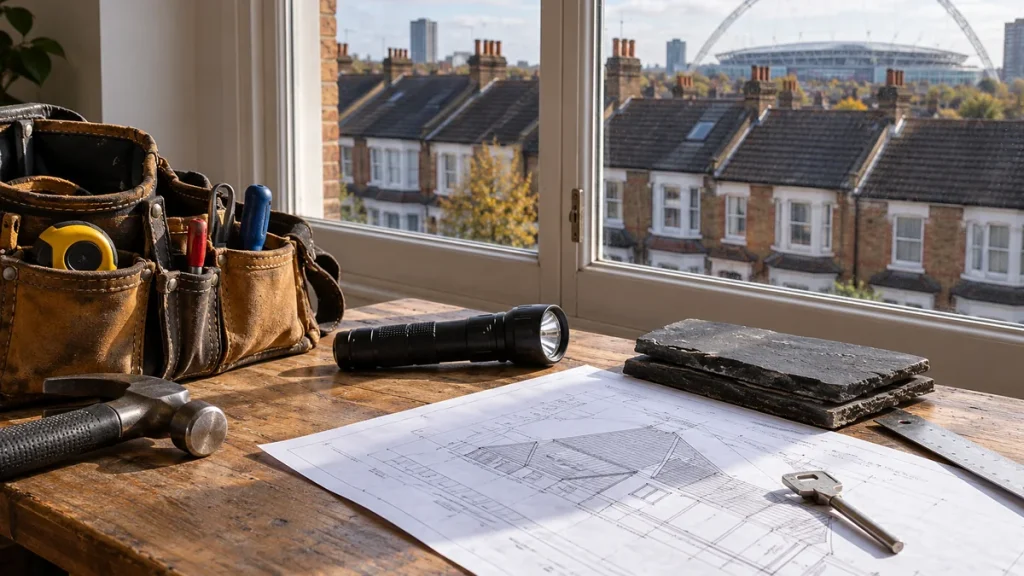
Repeated noise with a direct entry sighting, fresh damage or an accessible roof gap warrants assessment. So does activity that affects several flats or persists after a repair. A visible building hazard needs the appropriate trade alongside pest help. Give the team your full postcode, property type, loft access details and short timeline. Mention previous products or attempts to seal openings.
For the stated Wembley area, the site's contact page provides current details. Ask how to prepare for a safe visit and whether the managing agent or roofer should be involved. You do not need to identify the animal before calling; clear observations and access information are enough to start a useful assessment.
If people share the property, agree who will coordinate the call and receive the written findings. That person can arrange keys, explain access limits and pass repair recommendations to the owner. A clear contact avoids repeated visits where the relevant hatch is locked or the responsible person is absent. Keep the account factual and avoid sharing private details about other residents that do not affect the inspection. The aim is to make the evidence accessible to the specialist, not to settle responsibility before the route is known.