
Why roof access matters during squirrel assessment
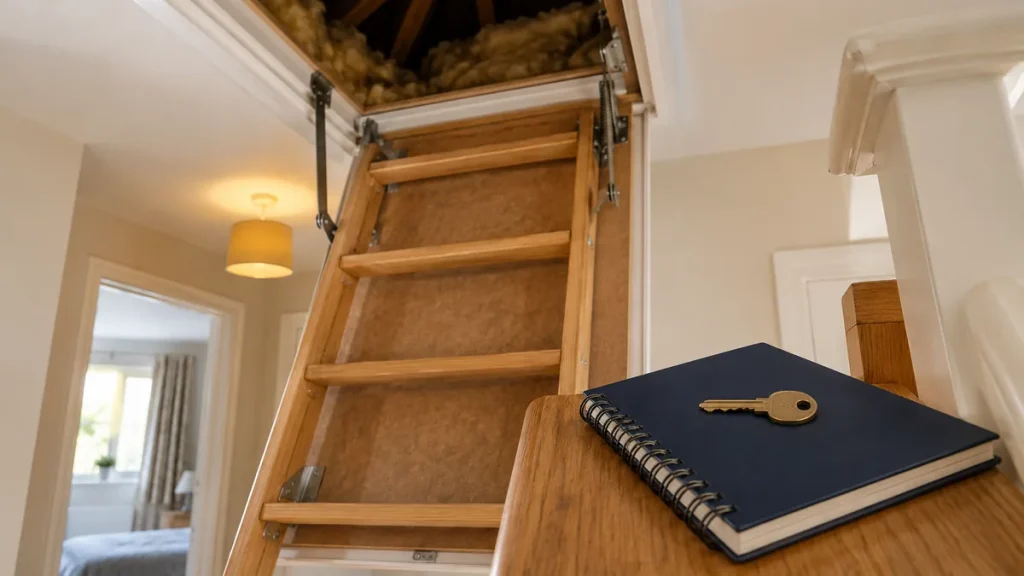
A report of movement above a ceiling may lead to a visit, but the value of that visit depends partly on what can be inspected safely. The loft hatch, roofline and any shared voids may sit under different access rules. If the specialist sees only one room, they may still collect useful evidence, yet they cannot confirm everything behind a closed ceiling. Preparing appropriate access helps distinguish a likely squirrel problem from another cause and makes any repair recommendation more specific.
Decide what access actually exists
Before the appointment, locate the normal loft hatch and ask who holds the key or controls the room beneath it. Is there a stable route to the hatch? Does the loft have safe boarding and lighting, or is that unknown? Do not enter an unfamiliar void to find out. Tell the team about stored items, fragile ceilings and any known electrical or structural concerns. The specialist can decide what can be inspected on the day and whether another trade is needed.
For a flat, check whether the loft is communal. The managing agent may need to authorise entry, provide keys or arrange access through another unit. A tenant should not assume that a hatch inside their home grants permission to explore the whole roof. Contact the responsible person early and record any access limits. A visit can be planned more effectively when the team knows about them beforehand.
If the hatch is above a stairwell or crowded room, tell the team. They may need clear floor space or a different approach to reach it safely. Do not stand on furniture or offer an unstable ladder. If stored belongings fill the loft, do not rush to shift them into living rooms. Ask which part of the void needs inspection, then agree a way to provide access without spreading suspect material.
What the inspector may need to compare
Indoor signs
Accessible evidence may include disturbed material, droppings, gnawing or a clear movement route. Each sign needs interpretation: how recent is it, where is it located and could building work explain it? Do not move insulation or handle material to make the evidence clearer. Photographs taken from a safe position can help identify areas to inspect. A bare hatch view may not reach the suspected part of the roof, which should be stated in the findings.
External openings
A gap under a soffit or around a roof feature may be visible from the ground, but its connection to the loft is not always clear. The specialist may compare it with the internal layout and animal signs. Do not climb or lean from a window to improve the view. If close roof inspection needs specialist equipment or a roofer, ask how that will be arranged and who can authorise it. An apparent opening should not be sealed before its use and function are assessed.
Timing and movement
Your notes about when sounds occur can guide the inspection, but sound alone cannot identify the species. Record direct sightings separately from noises and second-hand reports. An animal seen on the roof may never enter the building. The site's squirrel control service describes checking species, evidence and accessible routes before selecting a response. Access makes that evidence check possible.
Restricted access changes the conclusion
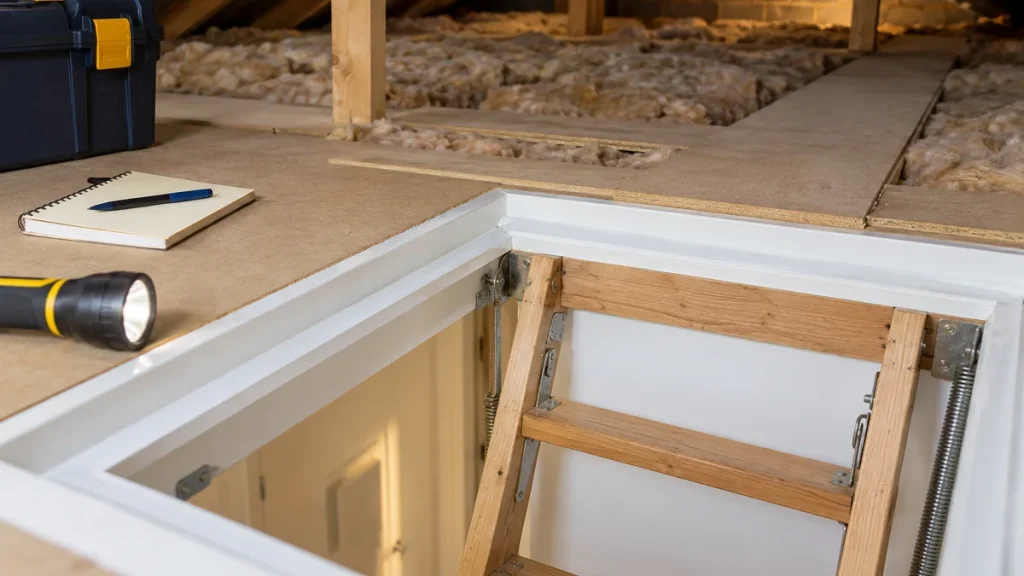
If a void cannot be entered safely, the inspector should say what was checked and what remains uncertain. A photograph of a roof gap and a sound recording may justify further investigation, but they may not support a definitive diagnosis. Ask what would resolve the uncertainty: a key, a safe platform, a roofing inspection or monitoring. Do not treat a limited visit as a failure if its limitations and next step are clear.
Sometimes a building hazard must be handled first. Damaged wiring needs a qualified electrician; a leaking roof or unstable ceiling needs the appropriate building professional. Pest assessment can run alongside those tasks, but nobody should enter an unsafe space merely to complete a checklist. Keep children and pets away from any area with falling material or exposed services and use the property reporting route.
Access can also be limited by the season or weather. An external roof view that is safe on a dry day may not be appropriate during wind or rain. Ask whether the inside assessment can proceed and what needs to wait. A postponed roof inspection should be recorded as a planned next step, not silently treated as completed. The same applies if the person with the key is absent.
Coordinate the people involved
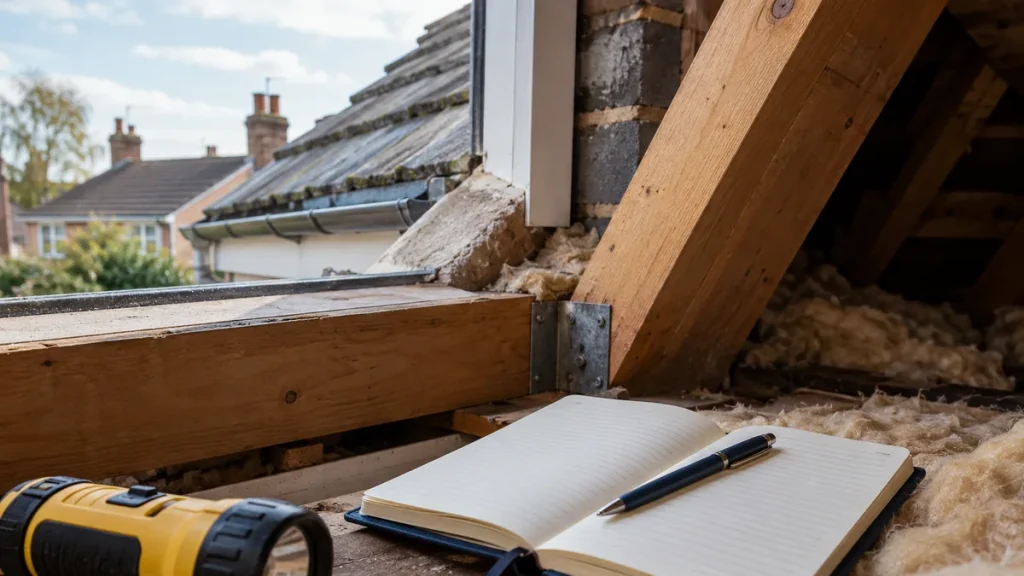
For managed buildings, identify one person who can organise the hatch, roof access and repair permissions. Give the pest team that person's details through the normal booking process. Avoid circulating private information about neighbours who are not involved. If a roofer has already inspected the building, ask for factual findings and photographs that can be shared with permission. They may help the pest specialist focus the assessment without replacing it.
After a visit, ask who will carry out each recommended step. The pest specialist may identify animal evidence and proofing priorities; a roofer may repair tiles or soffits; the managing agent may authorise both. Record dates so new sounds can be compared with completed work. A patch on a roof is not, by itself, evidence that animal activity has ended.
Avoid creating access by force
Do not cut a new opening, remove fixed boards or pry off a panel for the appointment. Such work can damage the property and expose hidden wiring, pipes or an animal. If the hatch is blocked by belongings, move only what you can handle safely and ask the owner before moving items that are not yours. Give the visiting team a realistic description of the access rather than promising that the whole void will be available.
If the team recommends a return visit after access is arranged, ask what evidence should be monitored in the meantime. Keep a dated log of sounds and sightings from occupied rooms. Do not put food out, set an unapproved trap or block a suspected route as a test. Those actions can alter the pattern and complicate the later inspection.
What to ask at the end
Which areas were seen directly? Which likely routes remain unconfirmed? What evidence supports a squirrel identification rather than another source of noise? Does the plan call for monitoring, control, roof repair or further access? Ask for the limitations in writing and confirm who will coordinate the next visit. If signs appear in walls or kitchens instead, mention them separately; the mice control service may be relevant to a different evidence pattern.
For the stated Wembley area, use the site's contact page to describe the property type, loft hatch, access permissions and observed signs. The right access allows the specialist to connect a possible roof route with what is actually happening inside, while keeping the inspection safe and the repair responsibilities clear.