
Scratching in walls at night: assessing possible mice
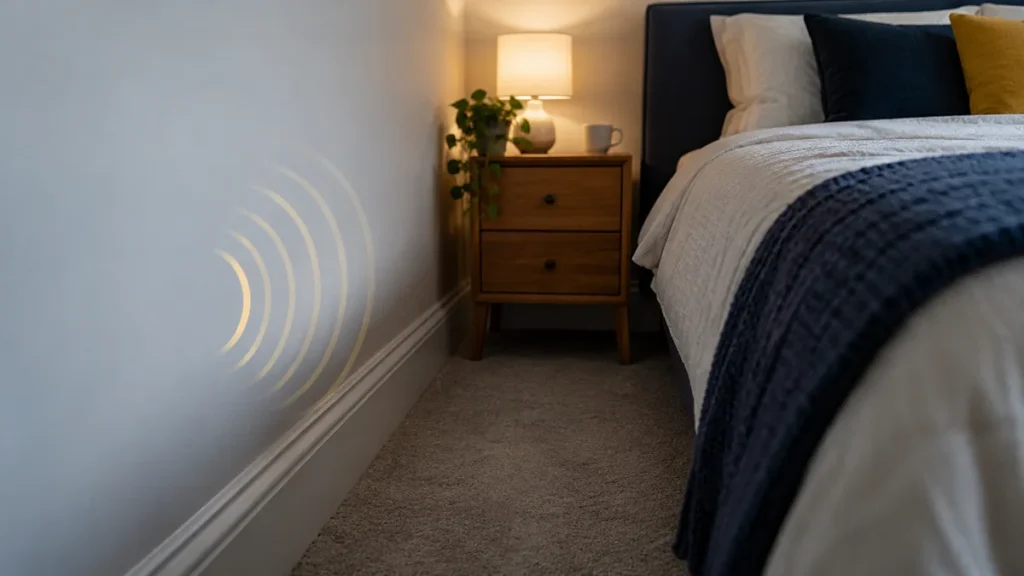
A scratching sound behind a bedroom wall can be unnerving when the house is otherwise quiet. It is easy to picture mice at once, but sound alone cannot identify an animal or even prove that one is present. Pipes, loose fittings, birds near a roof and noise from neighbouring spaces can all be heard through walls. The useful task is to record the pattern, look for accessible signs and decide whether a property inspection is warranted.
Record the sound before interpreting it
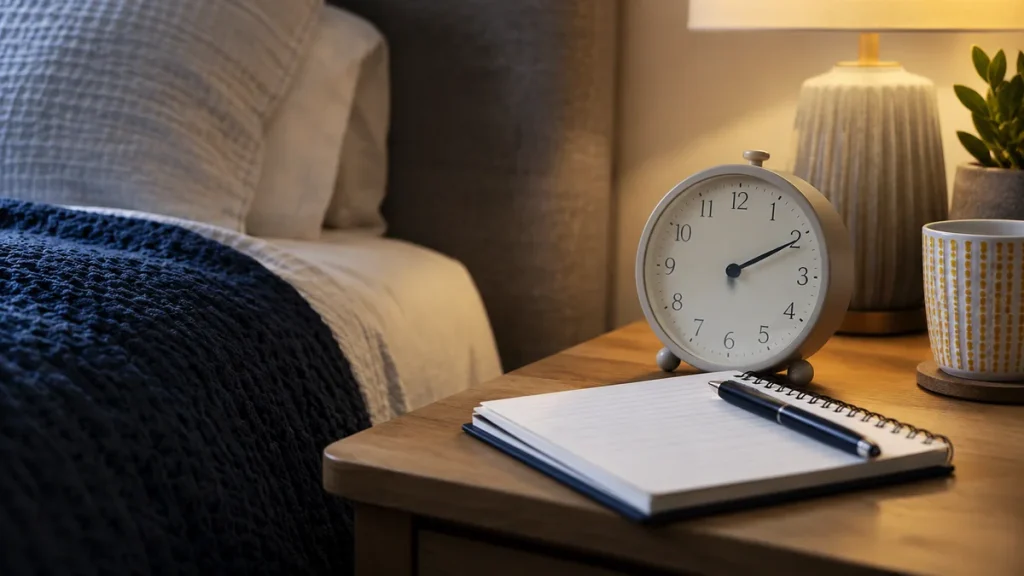
Write down the time, room, wall and approximate duration when you hear the noise. Does it seem to come from a skirting edge, a ceiling void or beside a radiator? Does it occur only when heating or water is running? A short voice memo may help you describe the sound, though a recording rarely identifies the cause on its own. Ask other occupants what they heard without suggesting an answer first. Different descriptions can expose a useful clue.
Try to separate a single event from a repeated pattern. A sound at the same place across several nights deserves attention; one brief noise may be harder to interpret. Note whether it happens during the day as well. Do not bang on the wall to provoke a response or pull off panels. That can disturb evidence, damage the property or bring you close to wiring and concealed spaces.
If a phone recording is useful, make it from the place where you normally hear the noise and say the date aloud at the end. Do not play an amplified recording to other people and ask them to name the animal; the sound quality can exaggerate or hide details. The inspector needs a reliable account of location and frequency more than a dramatic clip. If the noise stops, keep the notes for a while rather than concluding that the underlying cause has disappeared. That distinction can prevent an unsuitable pest treatment decision.
Check what you can see safely
Start near the room edges
With the lights on, examine accessible skirting edges and the floor nearby. Look for small droppings, gnaw marks, disturbed dust or damage to stored items. Inspect food storage in adjacent rooms if relevant. Do not reach behind heavy furniture or put fingers into gaps. Photograph any sign in its wider setting before cleaning or moving it. If there are no visible signs, note that too; it does not rule out activity inside a wall.
Consider the building services
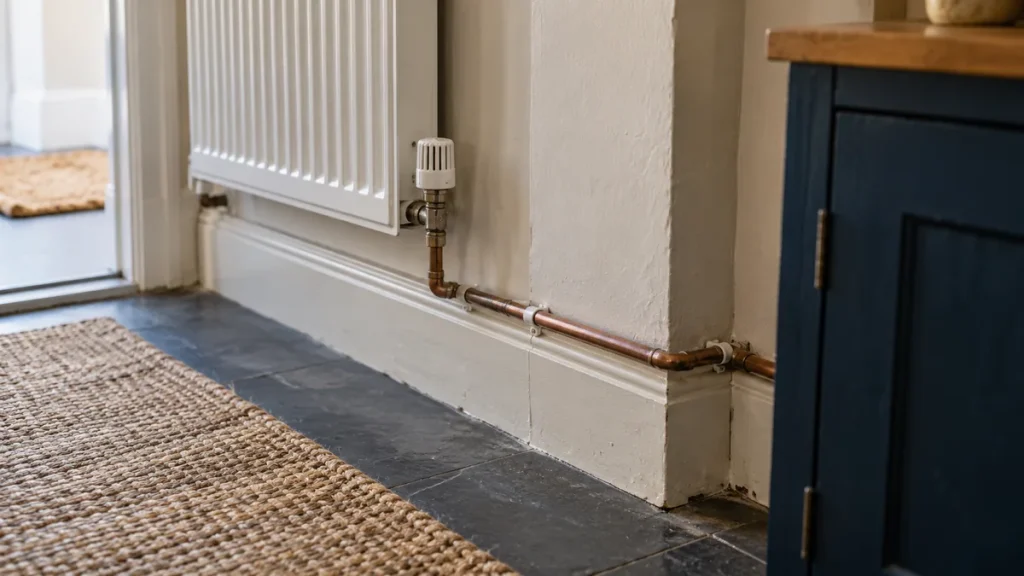
Heating pipes may expand or contract, and plumbing can transmit noise between floors. Record whether a tap, boiler, radiator or appliance was operating at the time. A regular knock tied closely to water use calls for a different investigation from irregular movement accompanied by droppings. If you suspect an electrical fault, damaged cable or water leak, seek the appropriate qualified help. Do not open an electrical fitting as part of pest checking.
Think about shared structure
In a Wembley flat, a partition or service void may connect more than one room or dwelling. Noise can travel through it, making the apparent location misleading. Mention whether neighbours have reported similar sounds and whether the managing agent controls access to communal risers or loft spaces. You do not need to investigate those areas yourself. The point is to establish who can arrange access if an inspection indicates it is needed.
Why nighttime noises raise suspicion
Mice can be active when a home is quiet, so scratching at night may be consistent with them. It is not a definitive signature. Repeated sounds around a kitchen or food store combined with fresh droppings, gnawed packaging or a visible gap make the concern stronger than noise alone. A professional assessment combines the timing of the sound with physical evidence and the building layout. The site's mice control service describes checking accessible routes and signs before choosing a response.
The character of the sound is not a dependable species test. People often assume a louder noise means a larger animal, but a small source can sound amplified inside a hollow wall. Equally, a sound heard near the roof may require consideration of other causes, including activity outside. For persistent loft or roofline noise, the squirrel control service may be a more relevant starting point. Describe the evidence rather than deciding which treatment to ask for.
Avoid quick fixes in the wall
Sealing a visible gap before the route is assessed can conceal or trap activity. Placing loose bait in a wall, using unlabelled products or combining chemicals creates avoidable risk and makes later assessment harder. A wall cavity can contain cables, pipes and materials you cannot see. Even a small exploratory opening may create repair work and expose hazards. Keep the area undisturbed until the cause is clearer.
You can still take sensible general steps. Store food securely, clean accessible crumbs and manage waste. Photograph any exterior gap you can view safely from the ground. Do not use a ladder to examine a roof or reach into a service void. If a landlord or managing agent is responsible for the structure, tell them what you have recorded. Clear dates and locations are more helpful than a vague report of “something in the walls”.
What an inspection can and cannot settle
An inspector may find droppings, entry routes or damage in accessible places and use those findings to plan the next step. They may also find that a sound cannot be traced without access to a neighbouring or concealed area. Ask which observations support the conclusion and what access limits remain. A sensible plan may include monitoring before treatment when evidence is uncertain. No responsible inspection should turn a noise recording alone into a guaranteed species diagnosis.
If treatment is proposed, ask how it fits the evidence and what precautions apply to children, pets and occupied rooms. Clarify who will carry out any proofing or building repairs, since those may be separate from pest treatment. Keep a dated record after the visit so you can report whether the sound changes, whether new physical signs appear and whether the agreed actions have been completed.
When to make contact
Repeated nighttime sounds with droppings or food damage justify a prompt conversation. So does persistent noise in a wall shared with food preparation areas, or a concern that affects several flats. If you notice exposed wiring, a leak or structural damage, address those hazards through the relevant property professional as well. For a pest assessment in the stated Wembley area, use the site's contact page and give your full postcode, the rooms involved and your dated notes.
Until you have an assessment, avoid moving suspect material between rooms and resist the urge to open the wall. A clear account of what happened, when and where lets the right person investigate with less guesswork. If the sound turns out to have another cause, your record will still have helped narrow the search.