
When recurring mouse activity needs professional assessment
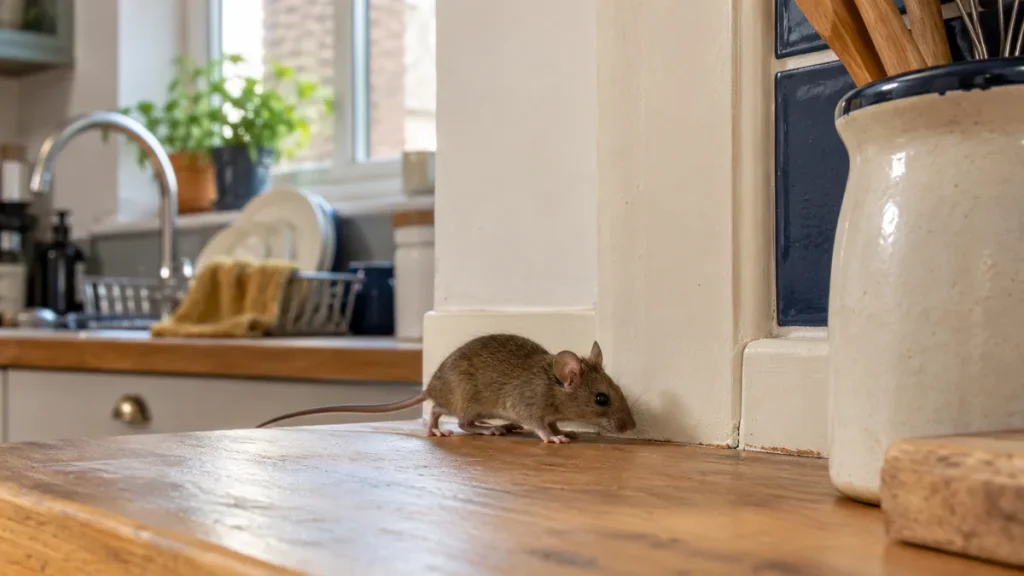
One sighting can be difficult to interpret. Repeated droppings, damaged food packets or movement in several rooms create a different question: what is allowing activity to continue? More cleaning alone may remove visible signs without finding a route. A professional assessment can connect the evidence with the layout of the property, identify access limits and propose a proportionate plan. In Wembley homes and flats, shared building spaces may also affect what can be resolved within a single room.
Define what is recurring
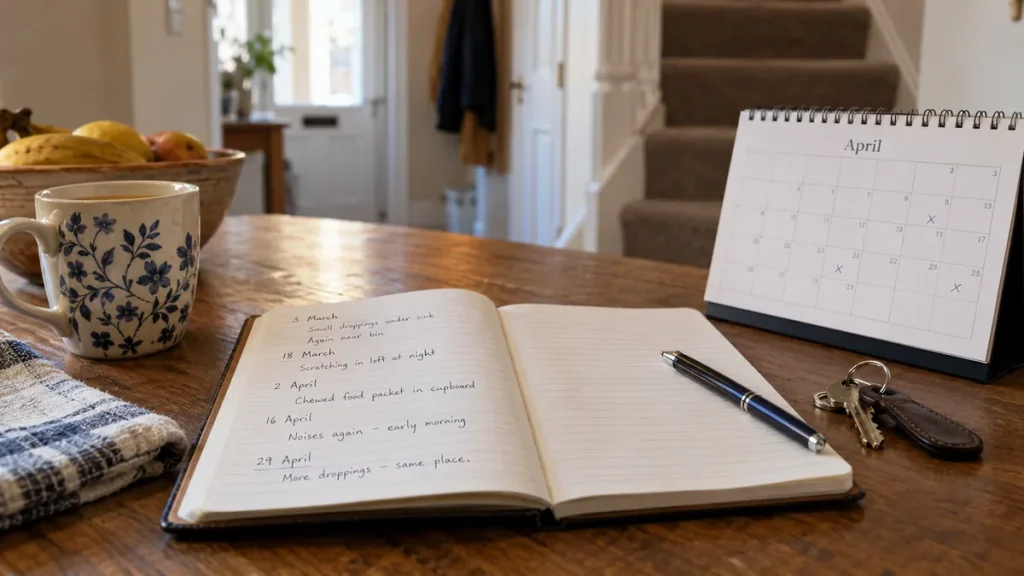
Start with a dated record rather than a general feeling that the problem keeps returning. Note each sighting or fresh sign, where it appeared and whether the area had been cleaned beforehand. Photograph damage before disposing of affected food. If the same cupboard shows new evidence several times, that pattern is useful. If material appears only when a long-closed storage space is opened, it may be older. Do not handle contamination simply to determine its age.
Record any action already taken. Include household cleaning, repairs, traps or products, and when they were used. A change in signs after an action may matter, but it does not prove cause and effect on its own. If several occupants have reports, combine them into one timeline so the inspector can see whether the activity is concentrated or moving. Avoid trying to estimate animal numbers from the quantity of droppings.
Signs that justify a prompt call
Fresh droppings after safe cleaning, repeated gnawing of food packaging and direct sightings are strong reasons to seek advice. Activity near food preparation or storage deserves particular attention. A new sign in a previously unaffected room may suggest another route or a wider area of movement. If a commercial kitchen, shared food store or vulnerable occupant is involved, explain the circumstances when you call so the team can discuss urgency and precautions.
There may also be a property issue needing a separate professional. Damaged wiring should be assessed by a qualified electrician; a leak or structural gap may need a building repair. Pest control does not replace those services. If you see a hazard, keep people away and contact the responsible trade or manager. The pest inspector still needs to know about it because it can affect access and the eventual proofing plan.
Why repeated DIY attempts can obscure the problem
Moving devices, adding products or sealing holes without identifying the route can change where signs appear without resolving the source. Loose bait or unlabelled chemicals in occupied rooms and kitchens create avoidable risks. Do not combine treatments or follow an online recipe for a concealed void. A specialist needs to know what has already been placed in the property to plan a safe inspection and interpret the evidence.
General housekeeping remains useful. Protect food, manage waste, clean accessible crumbs and address leaks. Those steps reduce resources, but recurring activity may continue if an entry route remains open or a shared space cannot be reached. The site's mice control service describes checking likely species, routes and access before agreeing suitable measures. The first professional question should be what the evidence supports, not which product to apply.
A recurring sign is a question, not a treatment instruction
The same type of sign can recur for different reasons. A newly damaged packet might point towards access to stored food; a fresh dropping near a pipe may indicate movement along an edge; a sound in a wall may have no pest explanation at all. These differences change where an inspector looks. If you report only that “the mice are back”, you lose detail about timing and location. A room-by-room account also helps avoid treating an old contaminated cupboard as if it contained fresh activity. Record what was cleaned and when, then describe what appeared afterwards without moving the material unnecessarily.
Look beyond the affected room
Flats and shared services
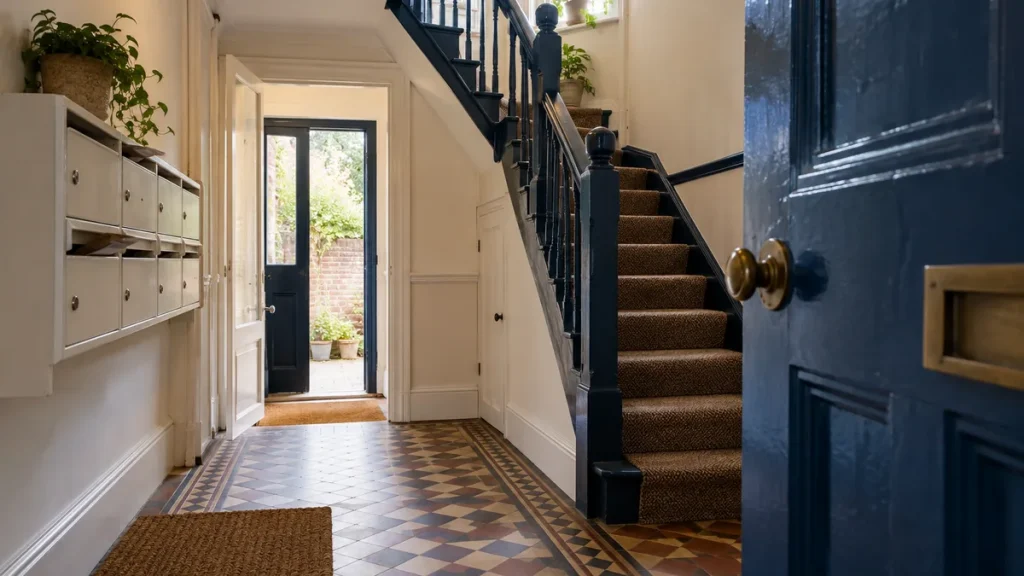
Service risers, pipe openings and communal storage can connect parts of a block. A mouse seen in one kitchen may be entering through a route that crosses a shared boundary. Tell the managing agent or landlord about factual signs and ask who can arrange access. Do not accuse a neighbour of causing the problem. If the specialist cannot inspect a relevant shared area, record that limitation and agree what information or permission would allow follow-up.
Houses and external conditions
Waste storage, doors and accessible service openings outside the building may be relevant. Photograph visible gaps from safe ground level; do not climb or dismantle external fabric. A gap's appearance alone does not establish that it is in use. It needs to be interpreted alongside signs inside and outside. Ask who will carry out any recommended repair and whether it is included in the pest work.
What a useful assessment should answer
Ask which signs identify the likely pest, where recent activity has been found and what routes are confirmed or suspected. What places could not be checked? Does the plan require monitoring, treatment, proofing or coordination with building management? What precautions apply to children, pets and food areas? Request clarity about the quotation, the scope of follow-up and who is responsible for separate repairs. A good explanation should distinguish observations from assumptions.
Sometimes the evidence points elsewhere. A larger route, outdoor burrow or signs around bins may call for consideration of rat control instead. Do not rely on pellet size or noise volume to decide between species. The inspector can compare location, appearance and access routes, and explain uncertainty where identification remains incomplete.
Agree what happens if access is restricted
An inspection may reveal a likely route behind fixed units or through a shared void that cannot be opened on the day. Ask for the next step in writing: who should arrange access, what evidence should be monitored meanwhile and whether treatment should wait for further assessment. If the route may cross a neighbour's space, let the managing agent handle permissions. Do not enter another unit or communal cupboard without authority. The limitation should remain visible in the plan, because a treatment confined to one room may not answer the building question.
After the visit
Keep the agreed instructions and do not interfere with devices or treated areas. Record genuinely new signs with dates and photographs. If a repair has been assigned to another party, track when it is done. A treatment may appear ineffective if an open route or shared source remains unresolved. Discuss any continuing activity at the agreed review point, or sooner if the written advice says so. Avoid treating one quiet night as proof of success or one ambiguous sound as proof of failure.
For the business's stated Wembley area, use the site's contact page to describe your postcode, property type, repeated signs and access constraints. Give the team a concise timeline rather than a guess about the infestation size. That lets the conversation begin with evidence and the practical questions needed for a safe inspection.