
Rats near food storage: deciding when to call
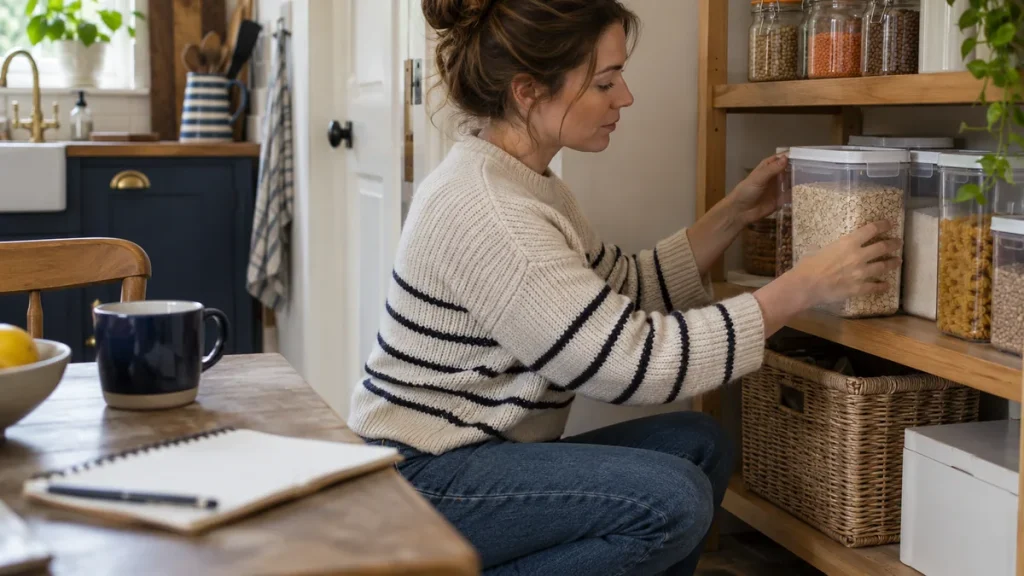
Signs of possible rats near stored food call for prompt, calm action. Protect the food, keep people away from contaminated areas and record what you found. Do not assume that a single mark proves the species or that every packet must be moved through the property. The setting matters: a household cupboard, communal store and commercial food area have different access and management arrangements. A professional conversation can help identify what should be inspected and which immediate precautions are appropriate.
Protect food first
Do not use food with visible damage or suspected contamination. Isolate affected items and follow appropriate food safety guidance for disposal and cleaning. Put unaffected food into closed containers or another safe storage place without dragging suspect packaging through clean rooms. Keep children and pets away from the affected area. Avoid sweeping or vacuuming dry droppings, which can spread dust; use current public health guidance when cleaning is necessary.
Take a few photographs before removing damaged packaging. Show the shelf or room as well as the close detail, then note the date and time. If the storage area is used by several people, tell them where the concern is so food is not taken from it unknowingly. Do not leave the area open as a “test” to see whether more damage appears.
If food has been moved already, note where it went and whether the receiving area was clean. That information can prevent confusion later if another damaged packet is found. Keep suspect items apart from usable stock until the responsible person decides what should be discarded. In a commercial setting, follow the operator's documented procedures and record the decision. This article cannot determine whether a particular food item is safe. The immediate principle is to prevent use of food that may be contaminated while the cause is investigated.
Decide what evidence you have
Damaged containers
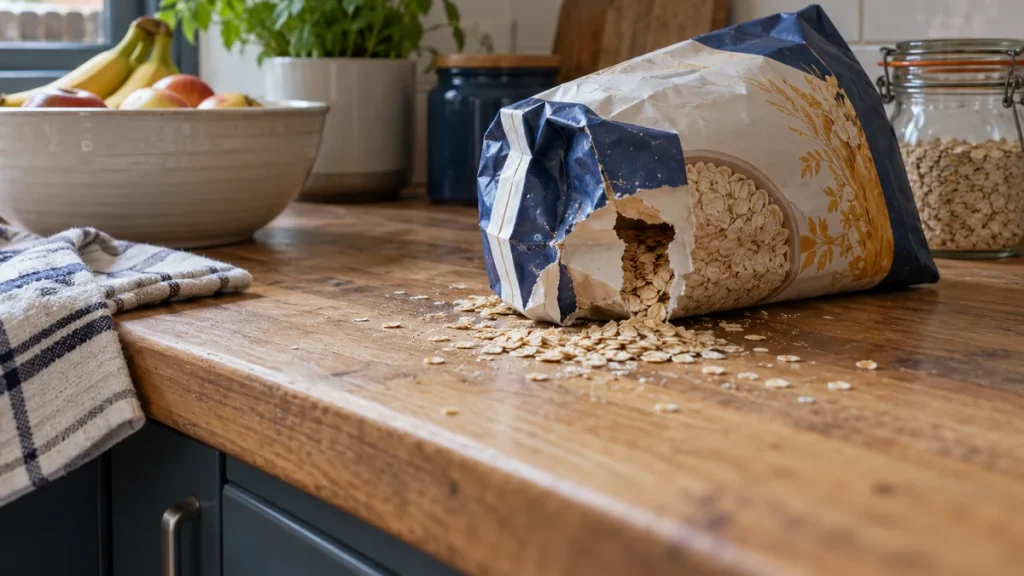
Gnawing can be a useful clue, but torn packaging may also result from handling or another animal. Note which items are affected, where they were stored and whether new damage has appeared since the area was last checked. If a container was already damaged, avoid presenting it as evidence of today's activity. An inspector can examine the pattern alongside droppings, routes and sightings.
Droppings or tracks
Record their position without handling them unnecessarily. Appearance alone is not a reliable species test, especially in a dusty storeroom with seeds or other debris. Cleaning dates help distinguish old material from new signs. If the area is shared or commercially used, follow the site's established hygiene procedures and notify the responsible manager. A pest controller can advise on inspection and treatment but should not replace food safety decision-making by the operator.
Direct sightings
If you see an animal, keep your distance and note where it came from and where it went. A safe photograph may help, but do not approach or corner it. A sighting near food is a reason to speak to the responsible person promptly. Do not estimate the number of animals from one encounter. The visible route may be only part of a wider movement pattern.
Why a professional call is useful
Food storage combines possible contamination with a need to understand access. The inspector can assess the signs, look for accessible routes and explain what can be done safely in that setting. The site's rat control service describes checking evidence and planning suitable control and proofing. A call should cover the exact location, type of food storage, signs observed and whether the space remains in use.
Ask what to prepare before a visit. The specialist may want safe access to wall edges, doors, pipe routes or a neighbouring bin area. Do not dismantle shelving or move heavy equipment yourself. If building repairs or access to communal services may be needed, identify who can authorise them. A store with a damaged door or leaking pipe may require a property professional alongside pest control.
Clarify the operating area
Tell the team whether the store is open to staff, residents or the public during the day. A planned inspection must account for normal use, cleaning and any restricted access. If a business uses the space, the manager should be available to explain stock movement and approve the work. If it belongs to a block of flats, the key holder may need to attend. These details help the inspector choose a safe route through the site and distinguish food handling questions from the pest investigation. The visitor should also know when deliveries or collections could interrupt access.
When to call promptly
Repeated fresh signs, direct sightings, damage to multiple packages or activity around food preparation justify a prompt conversation. Explain whether the area serves a household, several flats or a business. A business may have formal food safety duties and its own procedures; follow those requirements and notify the person in charge. Do not wait for a precise species identification before protecting food and reporting the concern.
If you notice exposed wiring, unstable shelving or a leak, keep the area safe and contact the relevant qualified trade as well. Pest treatment cannot substitute for electrical, structural or plumbing repairs. Tell the inspector about those hazards because they can limit safe access and influence proofing priorities. Do not open a wall or drain to look for a route yourself.
What not to do before assessment
Avoid scattering bait or chemicals near food. Do not mix products or use an improvised method from a video. Products in an occupied store can create risks for people, pets and food, and they may make it harder to interpret later signs. Do not seal a suspected opening immediately if the route has not been assessed. A quick patch can conceal continuing activity or redirect it elsewhere.
Keep the ordinary hygiene routine: contain waste, clean reachable crumbs safely and close food containers. Record any new signs with dates. If a managing agent controls adjacent areas, report the concern factually and request access rather than blaming another unit. The response should follow evidence across the property, not a single dramatic sighting.
Prepare the right information for the call
Give the full postcode and describe the storage space, including who uses it. List dates, locations and types of signs. Mention photographs, previous products, children or pets, and any limitations on access. Ask how the inspection will address food protection and what aftercare or monitoring might be required. If the signs are smaller or concentrated inside a kitchen, the team may consider whether the mice control service is a better fit; identification should remain open until the evidence is assessed.
For the stated Wembley coverage, use the site's contact page to find current details. Protecting food and giving a concise account allows the team to discuss an appropriate visit without making unsupported assumptions about the scale of the problem. Keep following the storage area's food safety procedures while the pest assessment is arranged.