
Rat signs around bins and gardens
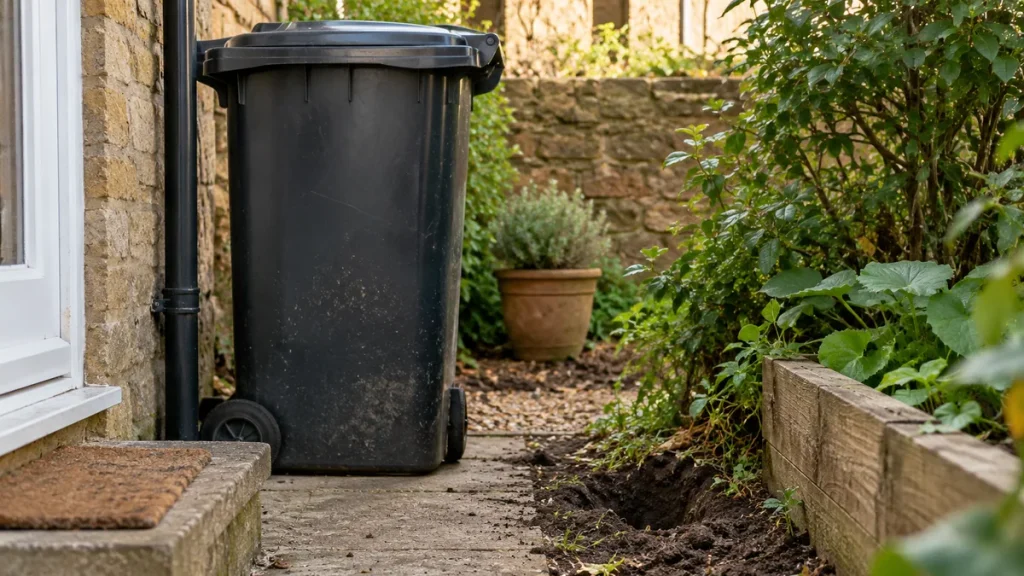
A disturbed bin or a hole beside a fence does not automatically mean rats. Wind, pets, foxes and ordinary ground movement can leave similar clues. A reliable assessment looks at several signs together and asks whether they are recent. Around a Wembley property, waste storage, planting and building edges can make outdoor activity easier to miss. This guide helps you record what is happening without approaching an animal, disturbing a suspected burrow or making unsafe changes to the area.
Start with a wider view
Walk around the accessible area in daylight. Keep to safe paths and avoid reaching under bins, decking or dense plants. Note where waste is stored, whether lids close and whether food spills are present. Look for repeated routes along walls or fences and for openings near the building. Photograph the wider setting before taking a closer picture of any sign. A hole without context is difficult to interpret later.
If the space is communal, check who is responsible for bins, landscaping and repairs. Do not move another person's waste or enter a locked area. A simple report to the managing agent with dates and locations can help arrange access. If you see an animal, keep your distance. A clear sighting can be useful evidence, but trying to corner or photograph it closely is unnecessary.
Think about the changes that preceded the signs. Has a collection been missed, has a bin lid stopped closing or has a contractor stored materials against the wall? These details do not prove a cause, but they can guide inspection and practical repairs. Note whether the evidence is isolated to one corner or appears along a route. If rain has washed away tracks or loose soil, say so. An absence of visible marks after bad weather is not evidence that activity has stopped.
Signs worth recording
Waste disturbance
Repeatedly torn bags, spilled food and gnawed containers can indicate that animals are feeding near the bins. They do not identify which animal. Check whether the damage occurs overnight and whether a lid or bin store door is broken. Photograph the condition before cleaning the spill, then secure food waste according to local arrangements. An intact container with scattered rubbish nearby may point to poor bagging or collection issues rather than pest activity.
Burrows and ground openings
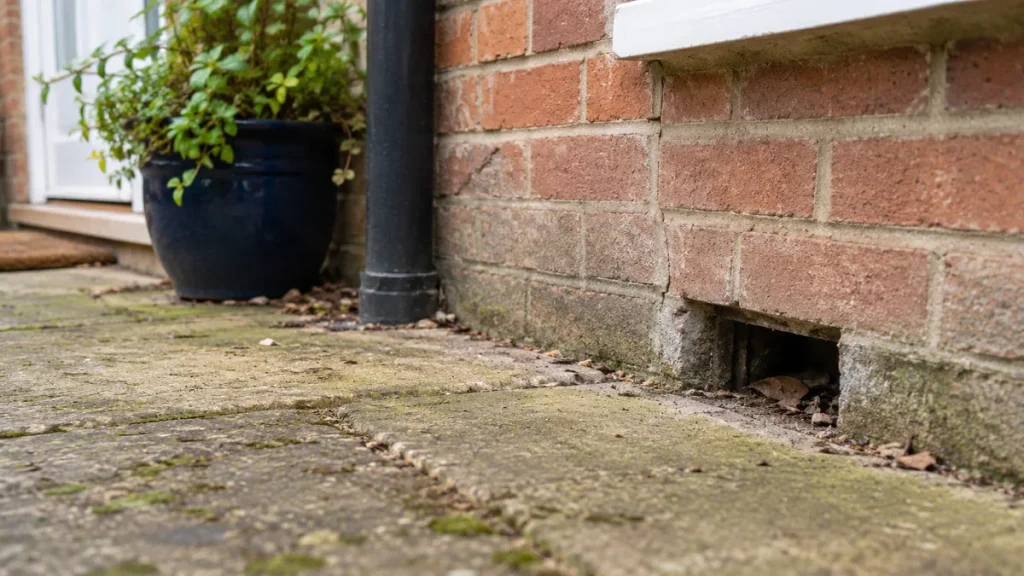
A fresh-looking opening at the base of a wall, under a slab or near planting deserves attention. Do not put a hand or stick into it, flood it or block it immediately. The opening may belong to another animal or form part of a larger route. Note its approximate position and whether loose soil appears again after normal weather. A professional can assess the opening alongside tracks, droppings and building access before recommending action.
Droppings, gnawing and tracks
Droppings can be an important clue, but appearance alone is an unreliable species test. Keep people and pets away from contaminated material and follow current public health guidance for safe cleaning if removal is necessary. Gnawing on a bin, timber edge or cable cover needs context: what material was affected, and is the damage new? In soft soil, tracks may disappear after rain. Photograph them without placing your hand beside the sign for scale.
What makes the location important
The same sign has different implications beside an open waste bag and beside a building entrance. Repeated activity close to doors, food storage or pipe penetrations raises questions about access indoors. Tell the inspector whether the affected area connects to a kitchen, cellar or shared service space. A fence line may be a travel route without showing where animals are nesting. Do not assume the nearest hole is the source.
In a garden, piles of stored materials and dense ground cover can provide shelter. That does not mean every planted area must be removed. Focus on practical changes: keep waste contained, clear spilled food and report broken doors or lids. Avoid major landscaping before an assessment if it would erase useful evidence or expose a hidden space. The site's rat control service describes checking evidence and access routes before planning control and proofing.
Avoid risky quick responses
Loose bait in an open garden or bin area can endanger pets and wildlife and may be accessible to children. Do not scatter products, mix chemicals or copy online instructions for a burrow. A secured approach, if appropriate, should follow identification and a property-specific plan. Likewise, blocking a suspected entrance without knowing what is inside can shift activity elsewhere or conceal a problem. Ask what evidence supports a proposed treatment and what precautions are required.
If damaged wiring, a drain fault or unstable ground is involved, the appropriate property professional may also be needed. Pest control can identify signs and advise on proofing priorities, but it does not replace safe electrical or drainage work. Keep a record of repairs and who is responsible for them. In a shared building, treating one bin store while leaving a broken door unrepaired may limit progress.
Keep the setting usable while waiting
Continue bin hygiene: close lids, use designated containers and clean food spills safely. Ask the responsible person to repair a damaged door or overflowing waste arrangement. Do not leave food outdoors as a test or rearrange a suspected burrow. If the area is used by children or pets, keep them away from the signs and tell the person managing the property. These steps reduce immediate exposure while preserving enough context for a specialist to assess the route. They are supporting actions rather than a substitute for identifying the pest.
Make a useful report
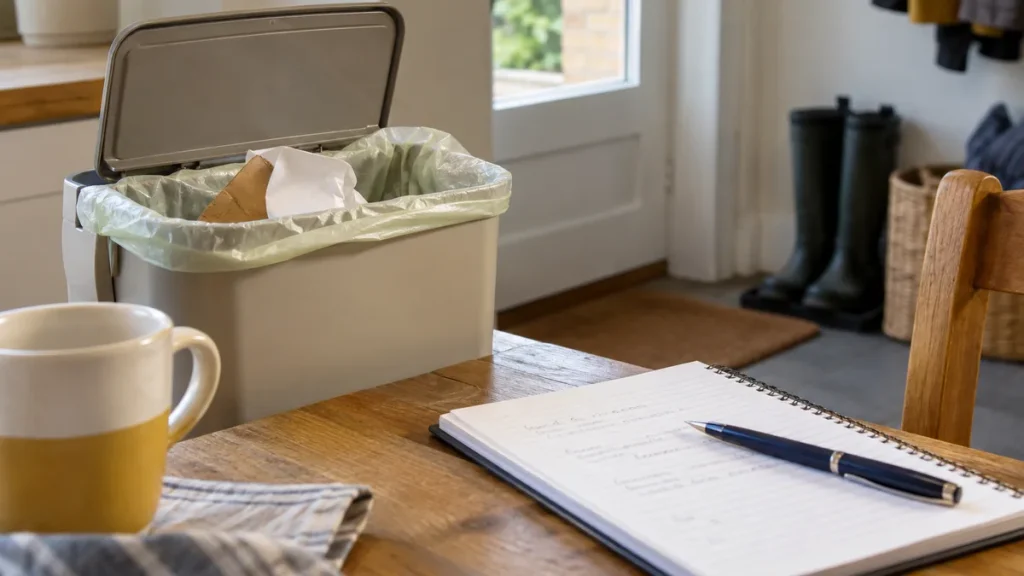
Write down when the signs appeared, whether they repeat, and exactly where they are. Include the bin collection pattern if waste overflow is relevant. Distinguish direct sightings from sounds or second-hand reports. Tell the team about children, pets and public access. A photograph of the whole bin area plus a close view of damage is more informative than a single cropped image of a pellet. Do not delay cleaning a food spill just to preserve a picture; record it first, then make the area safe.
If activity is also reported inside, list those signs separately. The inspector may compare outdoor evidence with indoor routes and decide whether the mice control service or a different assessment is relevant. Size, noise and one dropping should not decide the species on their own. The aim is to connect observations across the property.
When to call
Repeated sightings, fresh burrows near a building, damaged food waste containers or signs close to an entrance justify a professional conversation. If a food business or shared residential waste area is affected, explain the setting and access arrangements. For the stated Wembley coverage, the site's contact page provides the current details. Give your full postcode, a concise timeline and any photographs taken from a safe position. Until then, contain waste, keep people clear of suspect openings and avoid unplanned products.