
Preparing a kitchen for a mouse inspection
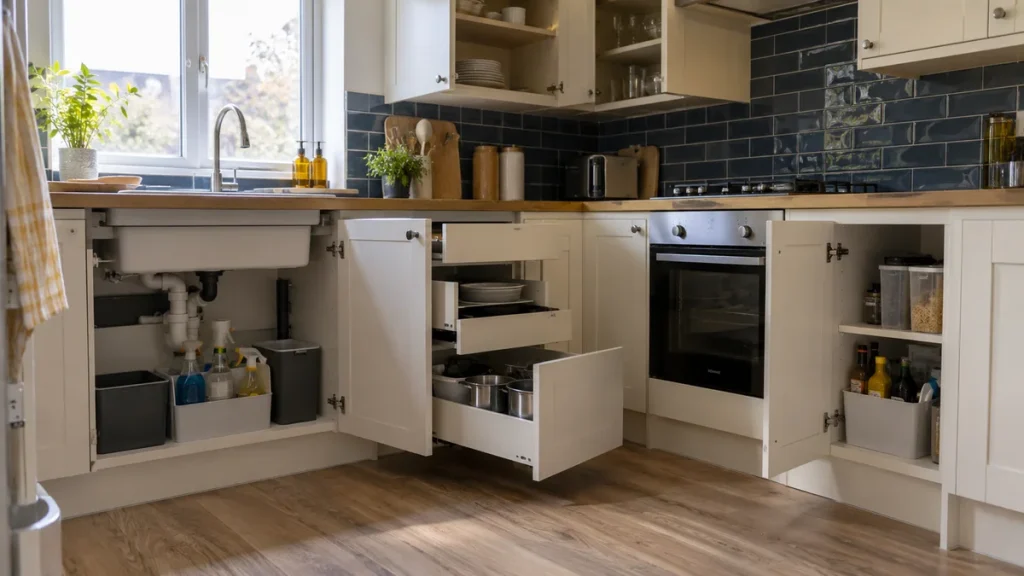
An inspection works best when the person visiting can see where activity has been reported and can reach the relevant parts of the kitchen safely. Preparation does not mean emptying every cupboard or cleaning away all evidence. A little organisation can save time while preserving the signs that explain the problem. The exact instructions may change with the proposed visit, so confirm them with the pest controller before moving suspect items or opening concealed spaces.
Tell the team what has happened
Before the appointment, make a short timeline. When did you first notice droppings, damaged packaging, a sighting or a noise? Which cupboard, appliance or wall was involved? Has the sign reappeared after cleaning? If several people use the kitchen, ask them to contribute dates and locations. Precise notes are more useful than an estimate of how many mice there may be. A photograph showing a wider view and a closer detail can help identify where to start.
Mention previous treatment, traps or products, even if they seemed ineffective. The specialist needs to know what has been placed in the room and where. Tell them about children, pets, aquariums and any restrictions on access or room use. If you have a health concern about contamination, discuss it with an appropriate healthcare or public health source rather than expecting a pest inspection to provide medical advice.
Protect food without erasing the trail
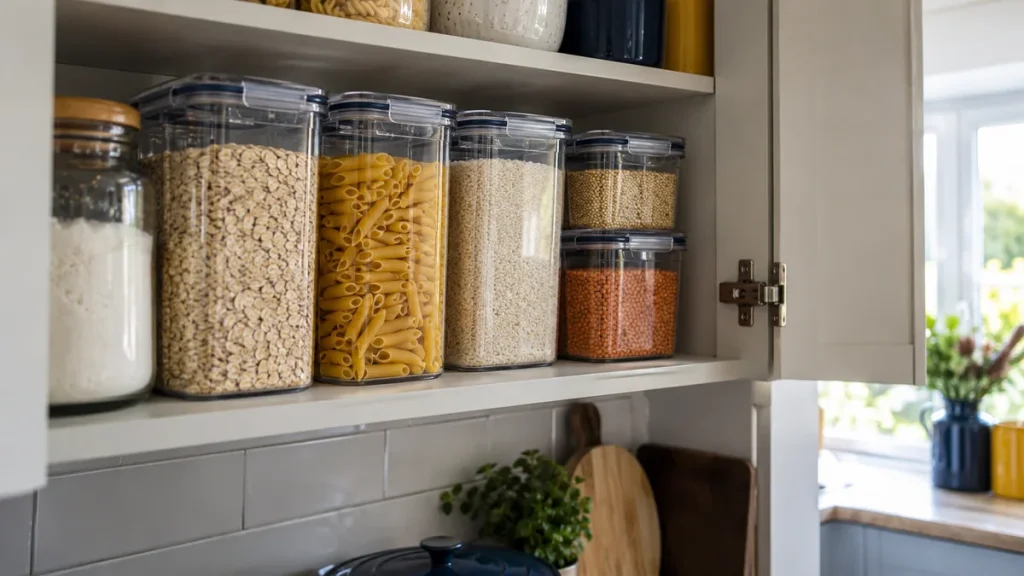
Discard food that appears contaminated, following normal safe handling practice, and place unaffected food in sealed containers. Do not leave open packets near the signs. Clear loose crumbs from accessible preparation surfaces, but photograph and record suspected droppings or gnawing first. Avoid sweeping or vacuuming dry droppings, which can spread dust. Follow current public health guidance if you must clean contaminated areas before the visit, and tell the inspector what you removed.
Keep damaged packaging long enough to photograph it, then dispose of it safely if the contents cannot be used. Record the shelf and cupboard where it was found. Moving every packet into another room can obscure the pattern and spread a problem. Ask the visiting team whether they want specific cupboards emptied. A targeted request is easier to follow and more useful than a wholesale clear-out done without a plan.
Make access practical
Cupboards and appliances
Remove ordinary clutter from the floor so that the skirting, sink cabinet and visible pipe routes can be seen. Do not move a heavy cooker, fridge or dishwasher yourself just to create access. Tell the team if an appliance is fixed in place or needs a qualified person to disconnect it. Leave built-in panels alone unless you have been specifically instructed otherwise. A loose panel can be noted without forcing it open.
People and animals
Arrange for someone who can explain the signs and authorise the work to be present or reachable. Ask what arrangements are needed for pets during inspection and any possible treatment. Keep children away from equipment and affected areas. If the property is rented, check whether the owner or managing agent must approve access to shared voids or building repairs. Have those contact details available, but do not promise access you cannot authorise.
Work areas
Give the inspector room to stand and set down equipment safely. Wipe ordinary spills and remove trip hazards, but avoid harsh cleaning over the exact places where new signs appeared until they have been recorded. If you have noticed a leak, identify it and arrange repair through the right person. A kitchen should remain usable and safe where possible; preparation should not create a new hazard.
What to leave alone
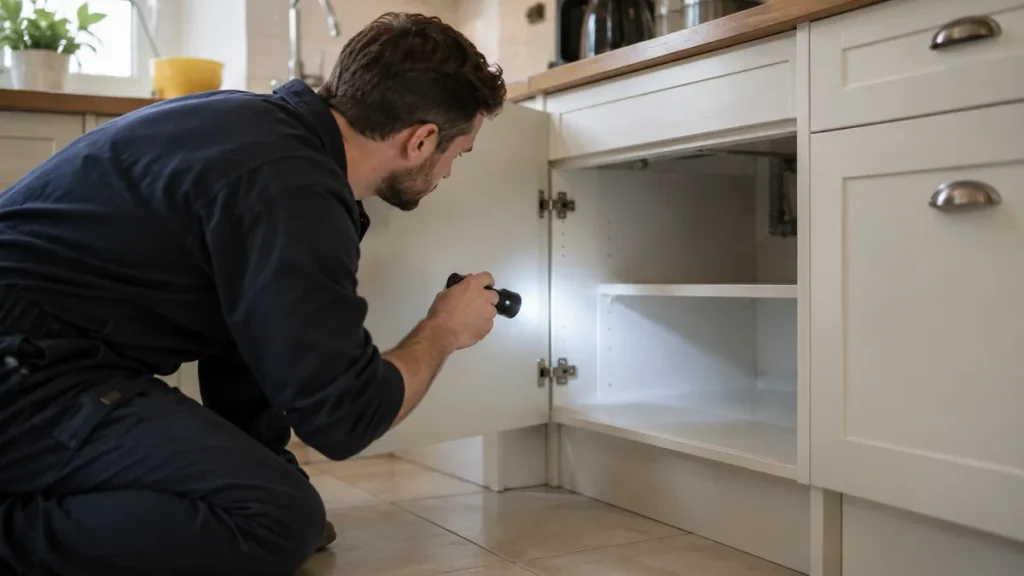
Do not seal a suspected entry gap immediately before inspection. The opening may need to be assessed in relation to the surrounding signs, and blocking it without a plan can conceal or trap activity. Avoid placing loose bait, unlabelled chemicals or improvised devices in a food preparation area. Do not open a wall, lift flooring or put a hand into a dark service void. Describe inaccessible places instead.
This applies to communal areas too. A bin store or riser may be relevant, but access may need to be arranged by building management. Ask whether the inspection can include these spaces. If it cannot, request a clear record of that limitation and of any recommended follow-up. The site's mice control service describes checking evidence and routes before choosing suitable measures, which is why preserving the context matters.
Questions worth asking during the visit
Ask what evidence supports the identification and whether another explanation remains possible. Which areas were checked, and which could not be reached? What action is proposed now, what precautions apply and who will carry out proofing or repairs? If a quotation is provided, confirm what it covers, including monitoring or another visit. The purpose is to understand the plan before agreeing work, not to select a product from a list.
You can also ask how to record activity afterwards. A dated note of fresh droppings or sightings can help assess progress. Clarify what should be cleaned, when it should be cleaned and whether any device must be left undisturbed. Keep written aftercare instructions where everyone who uses the kitchen can find them. If new information emerges after the visit, report it rather than improvising a second treatment.
Preparing in a flat or shared building
In Wembley flats, service routes and communal spaces can complicate a kitchen problem. Note whether signs are only inside your unit or also visible in an accessible shared area. Avoid speculating about neighbours. If a managing agent controls the bin store, roof space or service riser, tell the inspector and arrange a channel for follow-up. The inspection may identify building work that sits outside the treatment itself; agree who can authorise and complete that work.
If you suspect signs around external waste or larger routes, describe them separately. The team may decide whether the rat control service should be considered instead of assuming that all kitchen evidence points to mice. Accurate locations, photographs and access details help make that decision. Do not rely on pellet size or a sound alone to determine the species.
A short checklist for the day
- Keep dated photographs and a room-by-room note ready.
- Protect food and record any discarded damaged packets.
- Clear safe walking space without moving heavy equipment.
- Identify pets, children, access limits and previously used products.
- Have the responsible person's contact details if shared areas may matter.
For the stated Wembley service area, use the site's contact page to confirm the appointment and ask whether the team has any visit-specific preparation instructions. Good preparation gives the inspector useful evidence and safe access. It does not require you to solve the route or choose the treatment beforehand. If the visit is delayed, keep adding dates to your record and maintain food protection. Tell the team about any room involved, since the inspection scope may need to change before they arrive.