
Keeping outdoor waste less attractive to rats
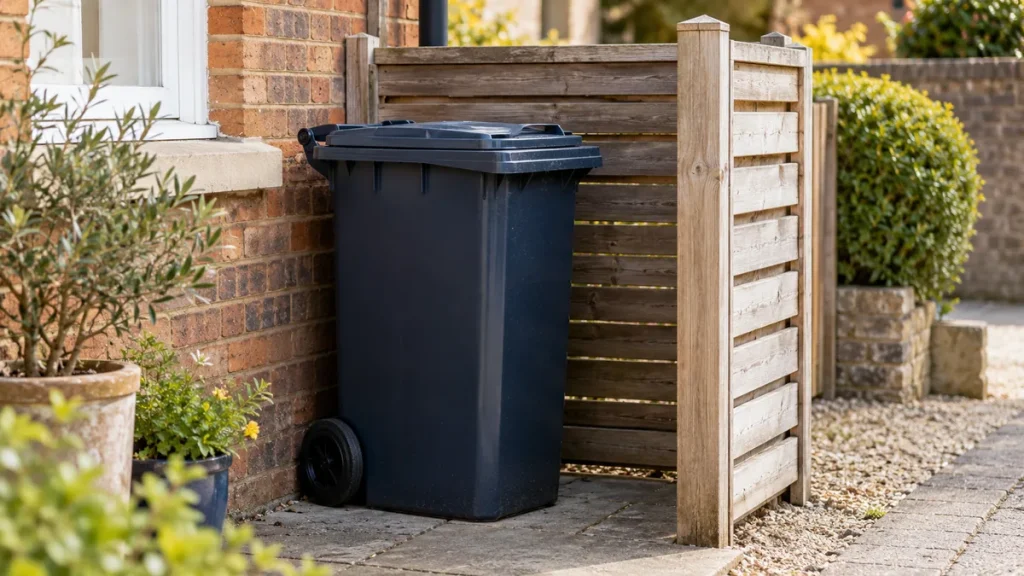
Outdoor waste can give animals easy food and shelter, especially when bags are left beside a full bin or a lid no longer closes. Improving the storage area is a practical prevention step, but it does not diagnose a rat problem or replace an inspection where signs already exist. The best changes are ordinary, repeatable and suited to the way the property is used. In a shared Wembley bin store, they also depend on clear responsibility for containers, cleaning and repairs.
Look at how waste moves through the site
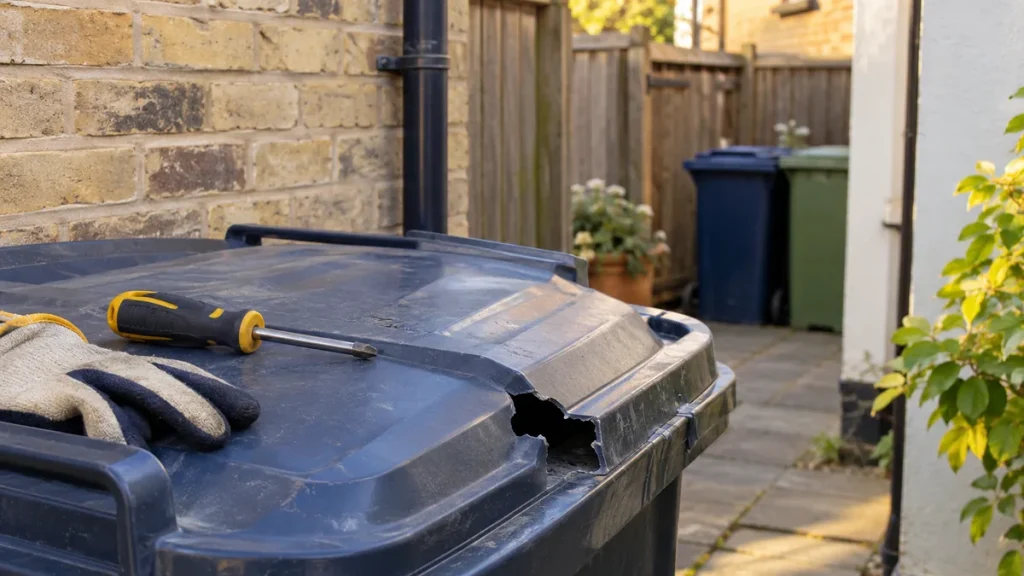
Follow the route from kitchen to collection point. Are bags kept indoors until they can go into a bin, or do they sit outside overnight? Is the container large enough for the normal amount of waste between collections? Does its lid shut fully? Are food scraps regularly spilled beside it? Write down practical failures before buying equipment. A broken wheel, missing lid or door that does not latch may be more important than a new cleaning product.
Photograph the storage arrangement if you need to report it to an owner or managing agent. Focus on the condition of bins and the area, not people using it. Note when collections occur and whether overflow follows a missed pickup or happens every week. That distinction helps identify whether the answer is repair, more capacity or better daily use.
Consider the physical route a person carrying a bag takes. If the nearest bin is often blocked, too far from the entrance or difficult to open, bags may end up on the ground even when people understand the rules. A practical layout can be as important as a reminder sign. Ask the responsible manager whether the containers can be positioned for safe use without blocking exits or collection access. Do not move large communal bins yourself where doing so could obstruct a path or change the collection arrangement.
Contain food waste consistently
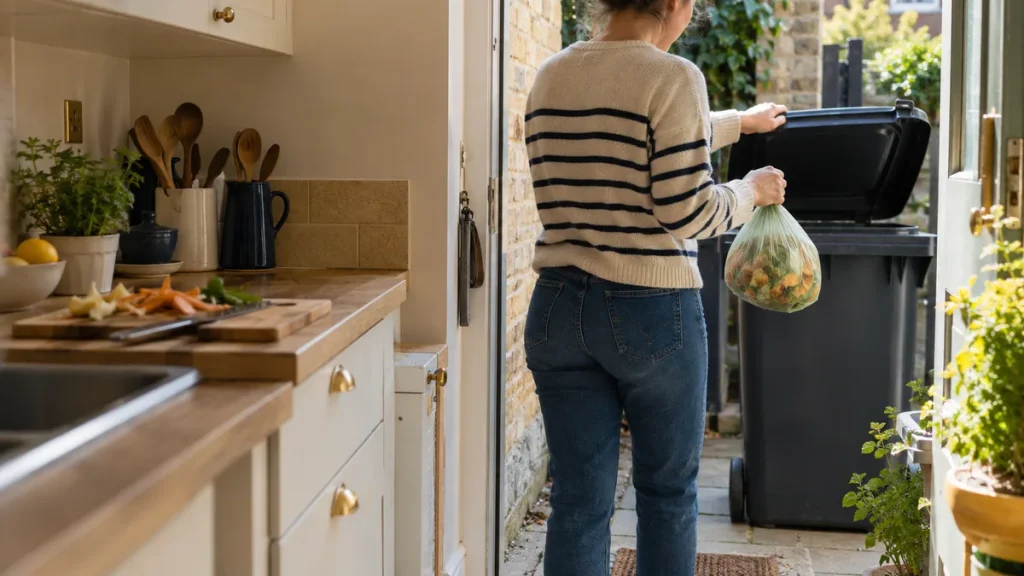
Use the designated containers and close lids after each use. Tie bags securely and avoid placing loose food beside the bin. If a bag splits, clean the accessible spill safely rather than leaving it until collection day. Keep bin doors closed where the site has them. Explain the arrangement to everyone who uses the area, including temporary occupants or staff, so the routine does not depend on one person.
Do not leave food outdoors as a test of animal activity. It can attract more visitors and tells you little about species. If bins are already being disturbed, record the dates and other signs before cleaning. A sealed container can reduce access to waste, but it cannot resolve a nearby building gap or existing burrow. The site's rat control service describes checking evidence and access routes before treatment and proofing decisions.
Keep the surrounding space manageable
Storage and clutter
Move unused materials away from the bin edge where it is safe and permitted. Stacked items can hide spills and openings, but there is no need to clear every planted area or dismantle a shed. Leave suspected burrows undisturbed for assessment. If stored items belong to another person or a business, ask the responsible party before moving them. A simple change that leaves clear sightlines around containers can make routine cleaning easier.
Drainage and water
Report leaks, standing water or a damaged drain to the appropriate property professional. Do not open drain covers as part of a pest check. Water can make an outdoor space more attractive to animals, but a wet patch alone does not show a rat route. Record where it is and whether it changes after rain or use. Repairs may need to be coordinated separately from pest control.
Building edges
From safe ground level, look for obvious gaps near doors, pipes and walls. Photograph them without putting a hand inside. Do not seal a suspected route while activity is still being assessed. A repair should follow an understanding of what the opening connects to and whether an animal may be using it. In a shared property, the managing agent may need to authorise that work.
Make a shared bin store work
A communal area needs a routine that survives staff changes and busy collection days. Agree who reports a damaged container, who arranges cleaning and who contacts the waste provider when collection fails. Place clear instructions where users will see them, using the actual local collection rules. Avoid making claims about a neighbour or relying on a single household to compensate for a broken facility. Record recurring overflow and send factual updates to the responsible manager.
If several flats have reported signs, coordinate access to the bin store and relevant shared spaces for inspection. A professional cannot assess a locked area that nobody can open. Give the team the contact for the key holder and the normal collection time. If treatment is proposed, ask how occupants will be kept clear of any equipment and who will maintain the conditions that support the plan.
Distinguish prevention from response
Better waste handling may reduce food availability, but repeated sightings, new burrows or signs near building entrances still deserve assessment. Do not use loose bait or chemicals as a substitute for bin maintenance. Products placed in a public or shared area can expose children, pets and wildlife. Ask a specialist what evidence identifies the pest and what method is appropriate for that exact setting. If signs are indoors too, describe them separately so routes can be compared.
The species may not be obvious. Small droppings in a kitchen, for example, require a different assessment from a hole beside an outdoor bin. The mice control service may be relevant if indoor evidence points that way. Avoid classifying the problem from the size of one mark or the loudness of a noise. Consistent records make a better basis for a decision.
Review whether changes hold
After a repair or a new waste routine, check whether lids stay closed, bags remain inside bins and spills are cleaned promptly. Record new animal signs with dates rather than assuming that tidier waste proves activity has stopped. A collection problem may reappear during holidays or after a change in occupants. Assign a named route for reporting it, and revisit capacity if overflow remains normal rather than exceptional.
Seasonal changes can also alter how the space is used. More garden activity, a holiday collection change or extra visitors may increase waste. Plan for that predictable variation rather than allowing bags to accumulate. Prevention works when the routine is easy to follow on an ordinary busy day, not only when the bin store has just been cleaned for an inspection.
For the stated Wembley service area, use the site's contact page if you see continuing signs or need an inspection. Share your full postcode, the waste arrangement and a short timeline. Practical waste management supports a treatment plan, while an evidence-led assessment determines whether there is an active pest problem to address.