
Mouse droppings in a kitchen: what to check first
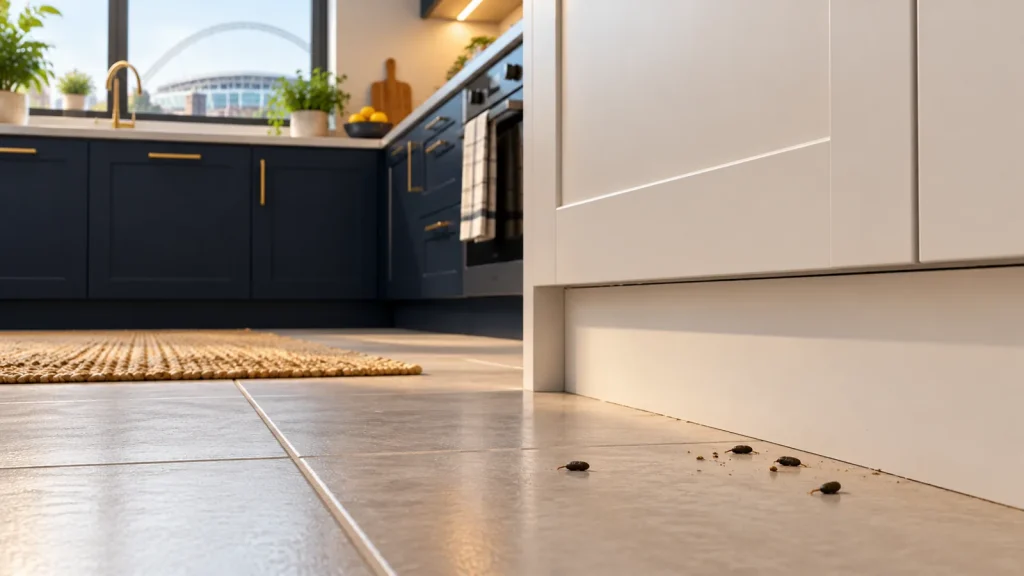
Finding small dark pellets beside the cooker or inside a cupboard is unsettling, especially when food is stored nearby. The useful first step is to protect food and record what you found. A dropping on its own cannot establish the species, the size of an infestation or whether activity is current. Its position, surrounding marks and the condition of the room provide better clues. Here is a practical way to assess a kitchen in Wembley without disturbing evidence or taking unnecessary risks.
Start with food and safe access
Put exposed food into sealed containers or discard anything that may have been contaminated. Check packets for damage before moving them into a clean cupboard. Keep children and pets away from the affected area while you assess it. Avoid sweeping or vacuuming dry droppings, which can spread dust. If cleaning is necessary, follow current public health guidance for safe handling, use suitable protection and wash your hands afterwards. Do not handle a dead animal or a large amount of contamination as an ordinary cleaning job.
You do not need to pull out a heavy appliance or dismantle a cupboard to make the first assessment. Photograph the area from a safe position before you disturb it. Note the date, room and precise place, such as “under the sink beside the waste pipe”. A simple record helps separate one old sign from an emerging pattern. If several people use the kitchen, ask whether anyone has cleaned similar material recently.
Look at the pattern, not a single pellet
Where was it found?
Signs beside a wall, behind a fridge or under a sink may point towards a route with cover and access to food or water. A pellet in the centre of a room has less context; it might have been moved on a shoe, cleaning cloth or stored item. Check nearby edges for additional signs without reaching into hidden spaces. Concentrations in more than one cupboard can tell an inspector where to start, but they do not prove how the animal entered.
Are there other signs?
Look for damaged packaging, gnaw marks, disturbed crumbs and gaps around pipes or service cables. Listen for noises, noting the time and location rather than assuming every sound comes from a mouse. A loose panel, neighbouring flat or bird outside can create misleading sounds. A strong smell or staining may also deserve attention, although neither identifies a species by itself. If you see an animal, a clear photograph taken without approaching it can be useful.
Could the evidence be old?
It is tempting to judge age by colour or texture, but kitchen humidity, cleaning and surface type can alter appearance. Record whether new signs appear after the area has been safely cleaned. Do not leave contaminated material in a food preparation area just to test a theory. An inspector can weigh the whole pattern: where signs occur, whether packaging is newly damaged and whether accessible routes remain open.
Check common kitchen routes
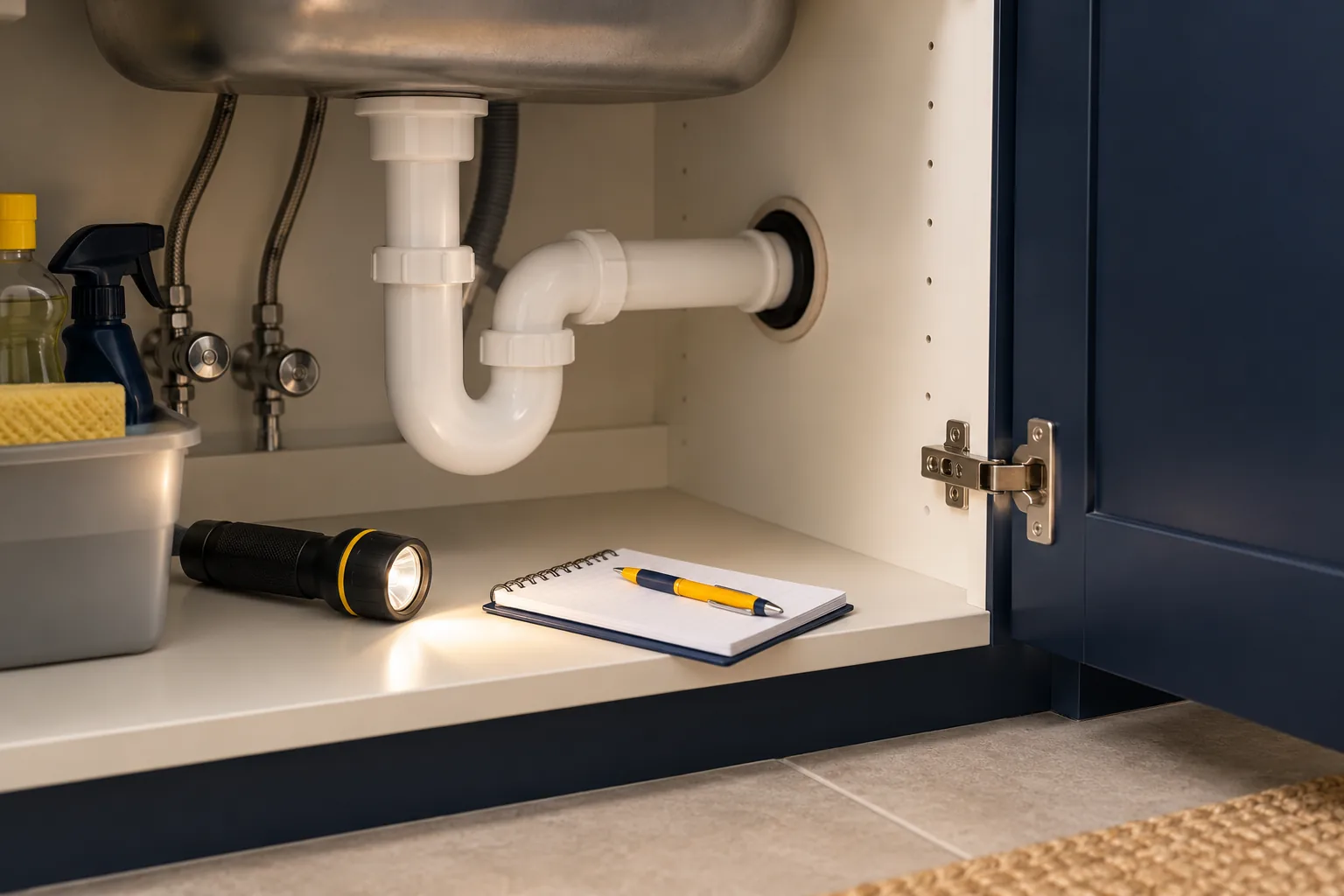
Pipes often pass through oversized openings under sinks and behind appliances. Cupboard backs, skirting edges and door thresholds may also hide gaps. Look from the accessible side with a torch; do not put your hand into a dark opening. In a flat, routes may continue through shared service voids, so activity in one kitchen does not necessarily mean the entry point is inside that room. A photograph of a visible gap gives a professional a useful starting point, but an inspection is needed before deciding what to seal.
Keep a note of dripping pipes, overflowing bins and food stored in open bags. Those conditions do not prove the cause, yet changing them can reduce easy resources. Empty ordinary kitchen waste regularly, clean crumbs from reachable surfaces and protect dry food. Avoid blocking a hole immediately if you suspect an animal could be trapped in a void. Proofing is more effective when the species, route and treatment plan have been assessed together.
What not to infer from the size alone
Small droppings are often described as mouse droppings, but appearance can overlap with other material. Crumbs, seeds, insect debris and older contamination can mislead a quick glance. The number of pellets also does not give a reliable animal count. One animal can leave several signs, while concealed activity may leave very little visible evidence. Treat what you see as a reason to investigate, rather than a diagnosis.
This matters when choosing a response. Products bought on impulse may obscure the evidence or introduce risks around food, children and pets. Do not scatter bait or mix products in a kitchen. A suitable plan depends on identification, access and the property. The site's mice control service describes an inspection of evidence and routes before treatment is agreed. For signs around external waste or larger routes, a professional may also consider whether rat control is the more relevant assessment.
Make a useful record for the call
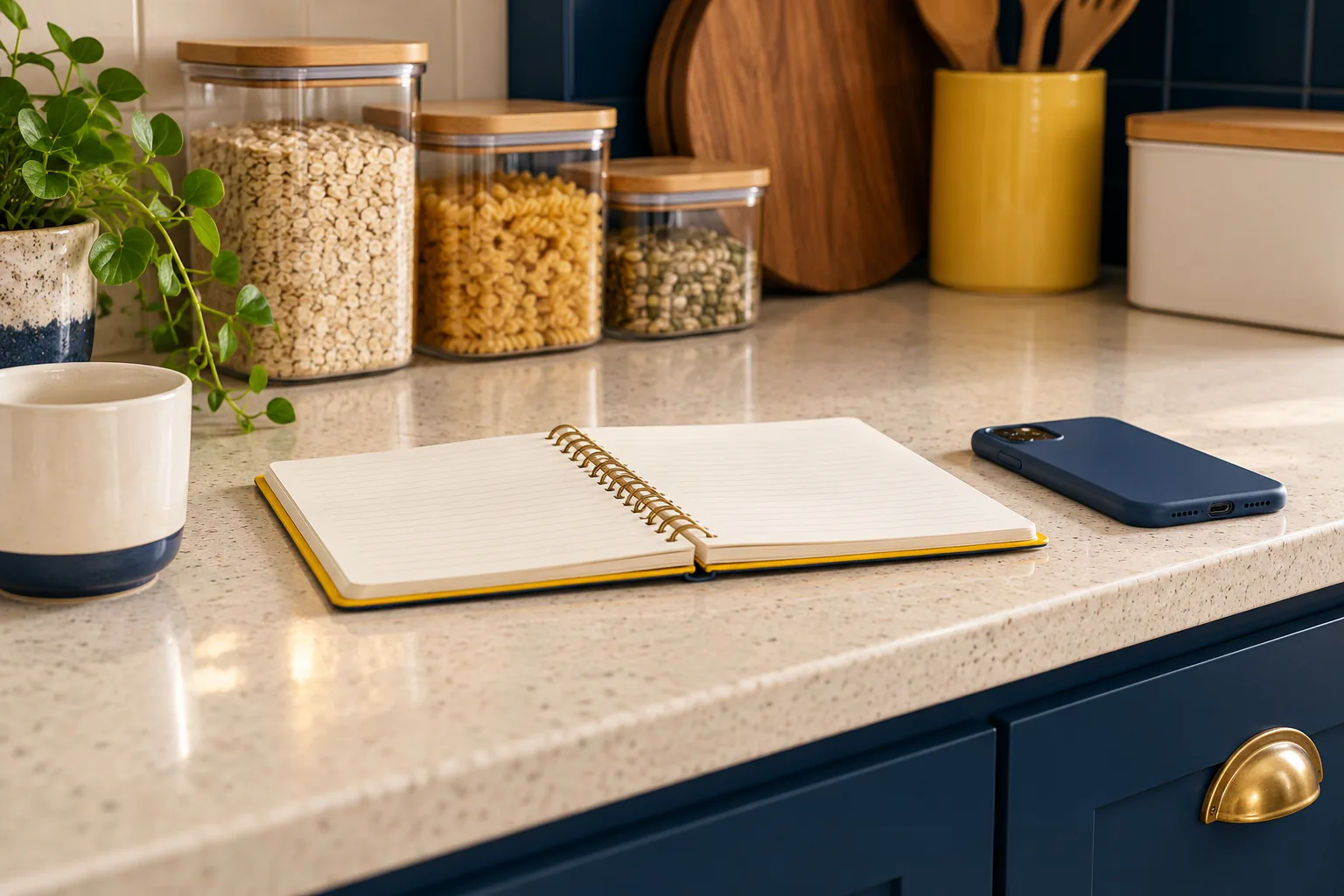
Write down when you first noticed the material, whether it has appeared again and which cupboards or rooms are involved. Mention any recent building work, leaks or changes to food storage. If the property is rented or part of a block, record who can arrange access to shared spaces. Tell the person taking the enquiry about pets, children, vulnerable occupants and any products already used. That information helps plan safe access and appropriate precautions; it is more useful than guessing the species over the phone.
A few photographs are enough if they show the wider location and a closer view. Keep perspective by including a recognisable feature such as the cupboard edge. Do not put your face close to the material to get a better image. If a packet of food is damaged, photograph it before disposal and note where it was stored. These details can direct attention to a likely route during the visit.
When to seek an assessment
New droppings after cleaning, repeated packaging damage or signs in several areas justify prompt discussion with a professional. So does activity around a food business or a kitchen used by people who may be especially vulnerable. You may need the property owner or managing agent involved if access routes cross shared spaces. The point of an inspection is to identify the evidence, understand the limits of access and agree proportionate next steps.
For a Wembley kitchen, the contact page provides the business's current details. Describe the location of the signs, your full postcode and whether food has been affected. Ask what to prepare before a visit and whether any further access will be needed. Until then, keep food protected, avoid disturbing concealed areas and record any genuinely new signs.
If you share the kitchen, agree who will keep the record so observations do not get lost between shifts or household members. Keep photographs with their dates. That helps explain more clearly whether activity is continuing and which part of the room needs attention first.