
What to monitor after mouse control
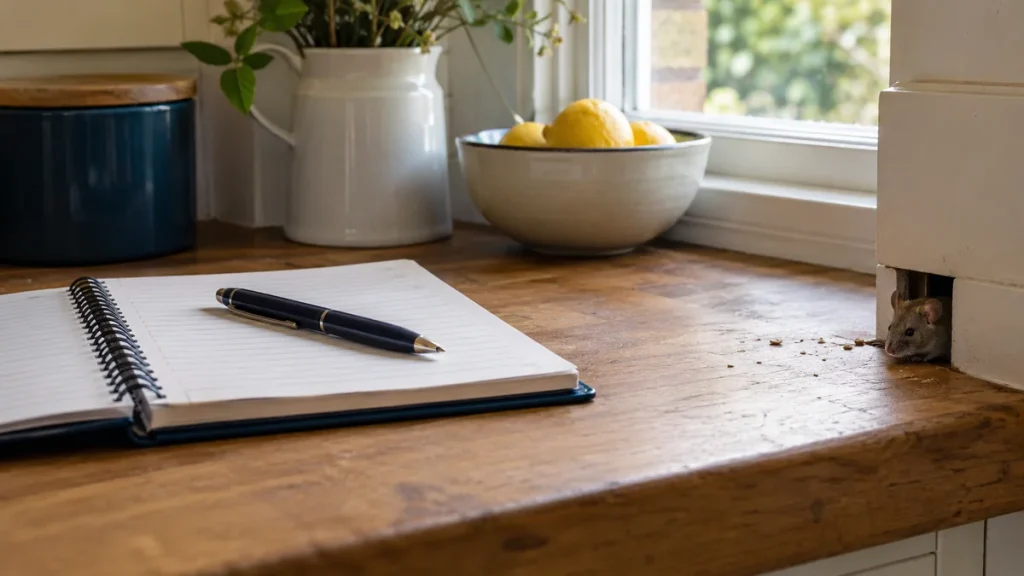
The end of a treatment visit is the start of a useful observation period. A quiet night can feel reassuring, but it is only one piece of evidence. Equally, seeing a sign immediately afterwards does not automatically mean the work failed. The right questions are whether genuinely new activity appears, where it appears and whether agreed repairs or housekeeping changes have been completed. Follow the written aftercare for your particular plan; this guide explains how to keep a clear record without interfering with equipment or treatment.
Begin with the visit record
Before the specialist leaves, ask what was found, which areas were checked and what could not be accessed. Confirm any devices or treated areas, their purpose and the precautions for occupants and pets. Ask what you should clean, what should remain undisturbed and when to make contact. If proofing or building repairs are recommended, record the exact places and who is responsible. An open gap left for a later repair can affect what you observe after treatment.
Keep the written instructions in a place other household members can find. If a landlord or managing agent must arrange work in a shared void, send them the relevant factual details. Do not move a device, add another product or close a gap without checking whether it conflicts with the plan. An intervention that seems helpful can make the evidence harder to interpret.
Establish what counts as new evidence
Droppings and damage
Record the date and location of material you believe is new. If the area was safely cleaned after the initial visit, note when that happened; it gives a clearer starting point. Photograph fresh damage to packaging or a cupboard edge before disposing of affected food. Do not count every old pellet as renewed activity. An inaccessible corner may contain material that remains visible for some time. Follow current public health guidance for cleaning contamination, and avoid sweeping or vacuuming dry droppings.
Sightings and sounds
Write down where and when you saw an animal, how long it was visible and whether you could photograph it safely. For noises, note the room and time rather than assuming a sound proves mouse activity. The same pipe or building movement that caused uncertainty before the visit can still be present afterwards. A dated pattern helps the team decide whether to inspect a different route or ask for access to another space.
Devices and treated areas
Only check equipment in the manner explained by the specialist. Some devices should be left untouched between visits. Keep children and pets away from them and report damage or interference promptly. Do not open secured bait stations or handle a trapped animal without explicit instructions. If you notice an odour or another unexpected concern, contact the provider for guidance rather than improvising a response.
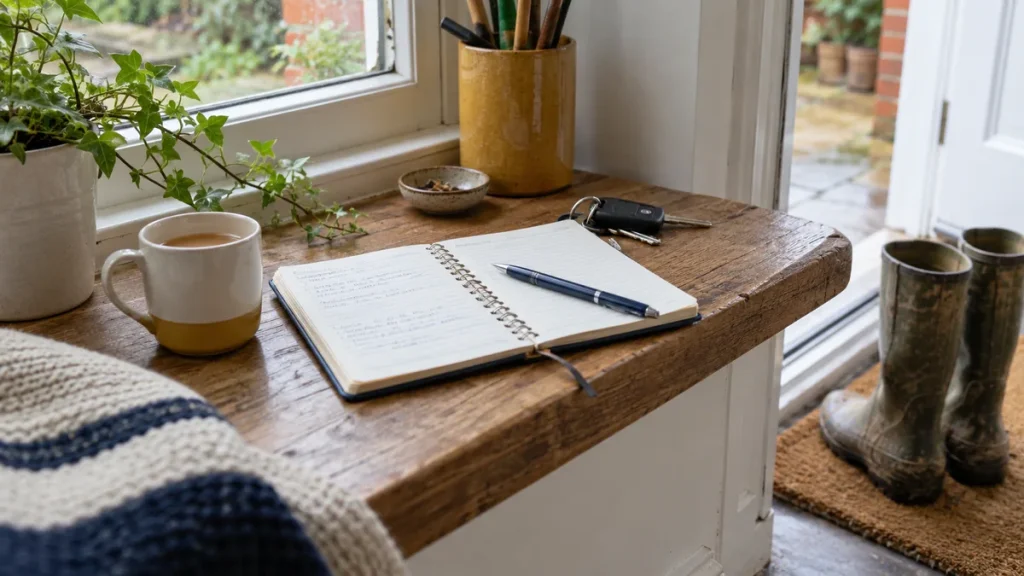
Use a simple monitoring log
A useful log needs just a date, room, type of sign and short note. Add whether the observation is new or might have been present earlier. For example, “Friday, under sink: new packaging damage after cupboard was cleared on Wednesday” is more informative than “mice still here”. Keep photographs with their dates. If several people use the kitchen, agree who will update the same record so reports do not contradict one another.
Do not create a test by leaving food out or disturbing a gap. Monitoring should be passive and safe. Continue protecting food, managing waste and cleaning accessible crumbs. Those measures support the plan without changing the evidence through an artificial food source. If the property has a leak or repair issue, record when it is fixed. The timing may help explain a change in activity.
Avoid false comparisons
One room may look quieter simply because it was cleaned more thoroughly or because stored items were moved. Compare like with like where possible: the same cupboard, a known cleaning date and a consistent way of noting signs. If you have to move a cupboard's contents for daily use, write that down. Do not use a phone application or a homemade score to turn scattered observations into a claimed infestation level. A specialist can interpret the record alongside access routes and inspection findings. Your job is to provide reliable observations, not an exact count of animals or a verdict on the treatment. This is especially useful when several nearby households share building services.
Understand why activity may persist
The relevant timescale depends on the species, the method, the extent of activity and access to entry routes. A professional should tell you what they expect for your case, rather than promise a universal number of days. New signs can indicate a remaining route, incomplete access or activity that was not visible at the first visit. They may also come from a previously contaminated space that has just been opened. The pattern and location matter more than a single observation.
If another flat, riser or bin area is involved, follow-up may require coordination beyond your own kitchen. Ask the managing agent to confirm access and repair dates. Avoid assuming that a neighbour caused the problem. A factual record of signs and building conditions makes the next conversation more productive. The site's mice control service describes monitoring and proofing priorities as part of the response.
Know when to report back
Use the follow-up time agreed at the visit. Contact the team sooner if you see repeated new droppings, fresh food damage, activity in a previously unaffected room or a problem with equipment. Provide dates, locations and photographs rather than a general statement that treatment has not worked. If the signs suggest a different animal or a route around outdoor waste, ask whether the rat control service is more relevant. Identification should follow evidence, not assumptions made from noise or dropping size alone.
If you are concerned about food contamination, protect or discard affected items as appropriate and seek current public health advice for cleaning. A pest controller can explain the treatment plan but cannot diagnose illness. If there is damage to wiring, a leak or a structural problem, involve the suitably qualified trade or responsible property manager. These parallel tasks should be tracked alongside pest follow-up.
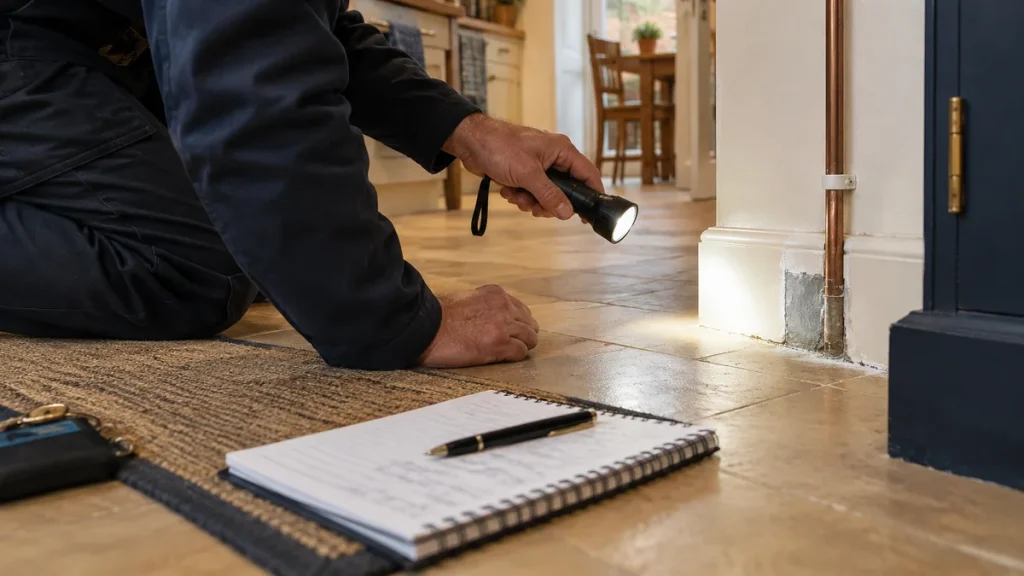
Review the whole plan, not just the treatment
At a review, ask which signs have stopped, which have continued and whether any new route has been found. Confirm whether devices are still required, what happens to them at the end of the plan and which proofing work remains. Request written instructions if the advice changes. The answer may be more monitoring, another inspection, a repair or a change of method. It should be tied to observations rather than the calendar alone.
The contact page lists the current details for Wembley enquiries. When reporting aftercare, give your address or reference as requested, the visit date and your concise log. Clear follow-up makes it easier to judge progress and avoids disturbing an effective plan because one ambiguous sign appeared.