
Noises in the loft: signs that may point to squirrels
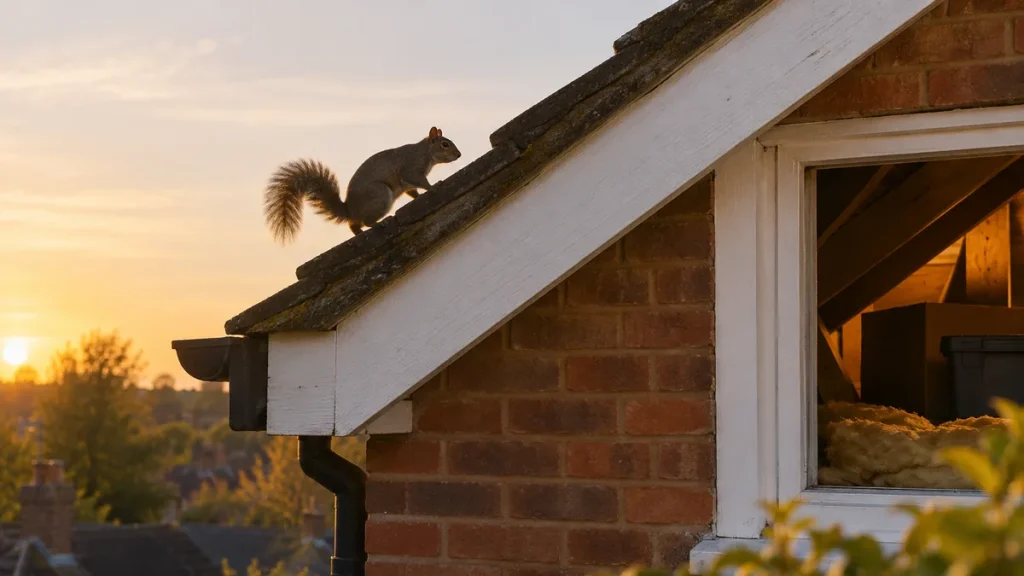
Movement above a ceiling can sound much larger than its source. A burst of running in a loft may make squirrels seem likely, yet sound alone cannot identify an animal. Birds on a roof, a loose fitting and other wildlife can produce confusing noises. The useful approach is to note when and where the activity occurs, look for safe visible clues and avoid entering a space that may contain wiring, insulation or animals. An inspection can then test the possible explanations.
Record the pattern from occupied rooms
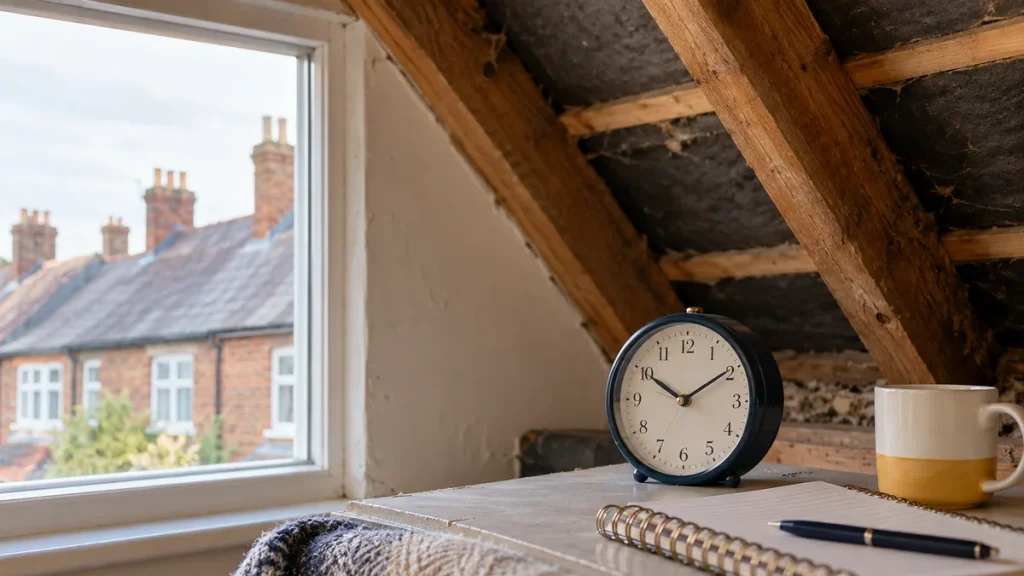
Write down the time, duration and part of the ceiling where the sound seems strongest. Does it happen in daylight, at dusk or overnight? Does it follow wind or rain? If several people hear it, ask them to describe it independently. A phone recording may help illustrate the rhythm, but it rarely proves the species. Do not bang on the ceiling to provoke movement; that can shift activity and make the original pattern harder to understand.
Note any changes around the property, such as roof work or a newly accessible tree branch, without assuming they caused the noise. A sound heard above one bedroom may travel through a loft from another part of the roof. Keep a brief timeline rather than a long list of guesses. Dates and locations will help the specialist decide where to inspect first.
Compare the sound with building activity. A water tank, ventilation unit or loose roof component may create a repeated noise under particular conditions. Record when heating, water or ventilation is running, and whether the sound changes with weather. If you rent, share the record with the landlord or managing agent so a building fault can be considered alongside pest activity. Avoid opening equipment to check it yourself.
Look for clues without climbing
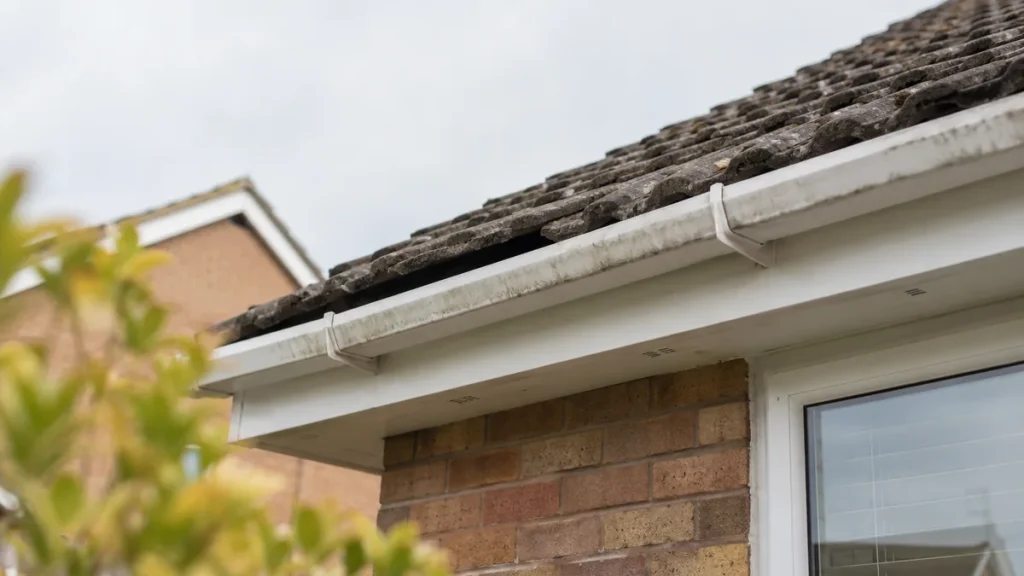
From safe ground level, check whether there is a visible gap around a roof edge, soffit or vent. Photograph it without using a ladder or leaning from a window. A gap may need repair, but appearance alone does not show that an animal is using it. Do not seal it before assessment. If an animal remains inside, blocking a route can create further problems or shift activity into another area.
If you have a safe, normal view through an existing loft hatch, you may be able to photograph visible damage without entering. Do not lift the hatch if doing so risks contact with an animal or unstable materials. Avoid moving insulation, handling droppings or touching wiring. Tell the specialist what you could and could not see. An absence of visible signs from the hatch does not rule out activity deeper in the space.
Check accessible rooms below for staining, a new smell or ceiling damage, recording the location rather than assuming its cause. A water leak can also mark a ceiling. Do not touch damp electrical fittings or stand beneath loose plaster. Report immediate building hazards through the property route. The pest specialist may use your observations to focus the inspection, but a roofer, electrician or plumber may be needed to assess the fabric or services. Keeping those roles clear helps prevent an animal question from delaying a necessary repair.
Which signs add context?
Roofline movement
A direct sighting of an animal using the roof or entering a gap can be useful evidence. Keep your distance and record the time and exact place. Do not try to corner it or climb to photograph it. Movement on a roof is not the same as entry into the loft, so the route still needs checking. A clear view of the wider roofline can help locate the point later.
Material disturbance
Torn insulation, gnawing or nesting material may suggest animal activity, but a photograph needs context. Do not pull material apart or handle it. Some disturbance may be old or related to building work. The specialist can compare it with accessible routes, fresh signs and the condition of the space. If wiring appears damaged, keep clear and contact a qualified electrician as well.
Sounds elsewhere
Noise in a wall or near a kitchen may have another cause or involve a different pest. Note it separately instead of combining every sound into one story. The mice control service may become relevant if accessible signs point to mice. The site's squirrel control service describes checking likely species and accessible routes before deciding on a response. Identification should follow evidence, not the volume of a sound.
Why loft access matters
A loft may contain fragile boarding, wiring, stored belongings and concealed gaps. The specialist needs to know whether there is a proper hatch and whether the space is safe to enter. In a flat, the roof void may be communal or above another unit. Ask the managing agent who can authorise entry and repairs. Do not enter a shared loft without permission or attempt to move another person's belongings.
If access is restricted, the inspector may need to work from safe accessible areas and explain what remains uncertain. A report should distinguish confirmed signs from a suspected route. Ask what further access, photographs or building work would help resolve the question. A treatment chosen before the route is understood may leave the underlying opening untouched.
In a managed block, agree who will attend with keys and whether any roof area needs authorisation. The inspector should know if the hatch is above a tenant's unit or behind a locked communal door. If the first visit cannot include the void, ask how observations will be recorded for a return appointment. It may still be useful as part of the building assessment, provided the limits and next step are stated plainly.
Avoid improvised exclusion or treatment
Do not stuff a visible opening, set a trap in an inaccessible loft or use chemicals without an assessed plan. A concealed animal, unsuitable device or damaged service can create hazards. Pest work near a roof may also require safe access equipment and agreement about who will repair the building fabric. Ask the specialist which part of the work is inspection, control or proofing and who is responsible for each.
Keep people away from any obvious hazard below the loft, such as a sagging ceiling or exposed electrical fitting. Contact the appropriate property professional for urgent structural or electrical concerns. A pest controller can assess animal signs but should not be expected to diagnose or repair unrelated building faults without a specific scope.
When to ask for an inspection
Repeated movement, a direct sighting at a roof gap or new visible damage justifies a conversation. Describe the times of activity, the location of the hatch and whether anyone controls access to the roof space. Mention children, pets and any previous attempts to block the opening. For the stated Wembley area, use the site's contact page for current details. A clear account helps the team plan safe access and test the likely cause before work is agreed.