
Understanding fresh rat signs after a visit
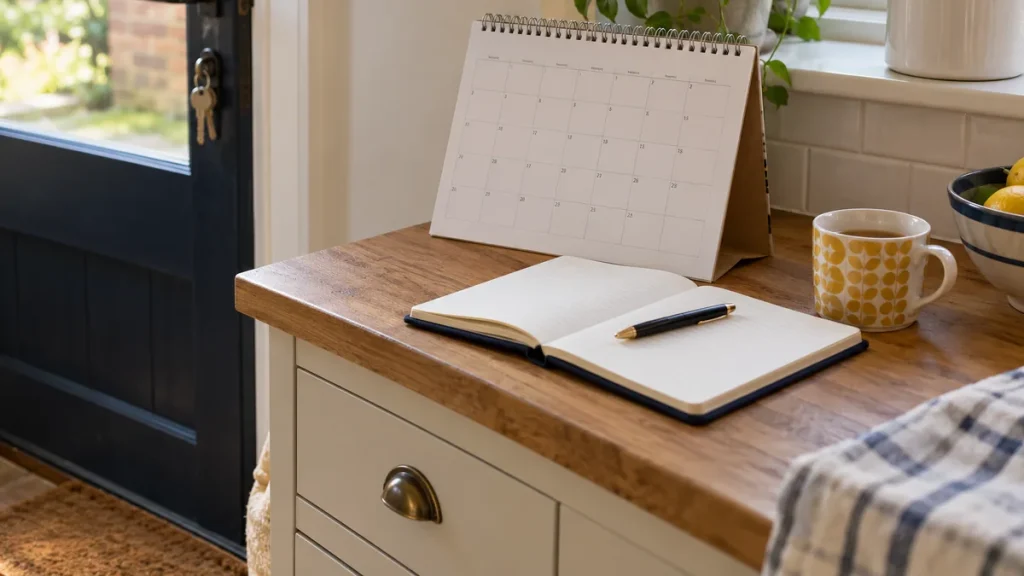
Seeing another sign after a rat control visit can be disappointing, but its meaning depends on what was found, what work was done and whether the sign is genuinely new. A disturbed bag outside, an old opening and a direct sighting are different kinds of evidence. Follow the specialist's written aftercare and use a simple dated record. That gives the follow-up conversation a sound basis without disturbing equipment, adding products or assuming the plan has failed.
Review the visit findings first
Read the report or notes from the appointment. Which areas were inspected, which were inaccessible and what evidence supported the identification? Were there suspected burrows, building gaps, damaged bins or indoor signs? Ask what changes the team expected you to monitor and when to report back. If a repair or waste management task was assigned to another party, record its status. An unresolved condition can affect what happens after treatment.
Confirm what devices or treated areas must be left alone. Do not open a secured station, move equipment or handle an animal without explicit instructions. Keep children and pets clear according to the advice you received. If the instructions are unclear, contact the provider before making changes. The site's rat control service describes monitoring and proofing priorities as part of a property-specific response.
Ask who will receive updates from the household or building. In a shared area, a caretaker may notice a torn bag before a resident does, while the managing agent holds the repair record. Bringing those observations together can reveal a pattern that separate messages miss. Keep the report strictly factual and avoid sharing unrelated private information.
Decide whether the sign is new
A sighting
Record the date, time, location and direction of movement. A photograph taken from a safe distance can help, but do not approach or corner the animal. One sighting does not tell you how many animals are present or whether the route has changed. Compare the location with the areas discussed during the visit. A sighting in a previously unaffected place deserves a prompt report because it may change the inspection scope.
Droppings or tracks
Material in an area that was not safely cleaned may have been present before the visit. If you can establish a clear cleaning date, use it in your record. Avoid sweeping or vacuuming dry droppings; follow current public health guidance if cleaning is necessary. Tracks in soil can be altered by rain, pets or maintenance. Photograph them in context and note the weather rather than treating a single mark as proof of continuing activity.
A hole or damaged waste
An opening can remain visible after activity stops, so its presence alone is not a new sign. Note whether fresh soil appears or whether an animal was seen using it, without probing the opening. A newly torn bag may reflect access to food waste, but other animals or a container fault can also be involved. Record whether the bin lid and door were closed and whether collection or cleaning changed. This helps distinguish ongoing access from a one-off waste problem.
Keep the log brief and consistent
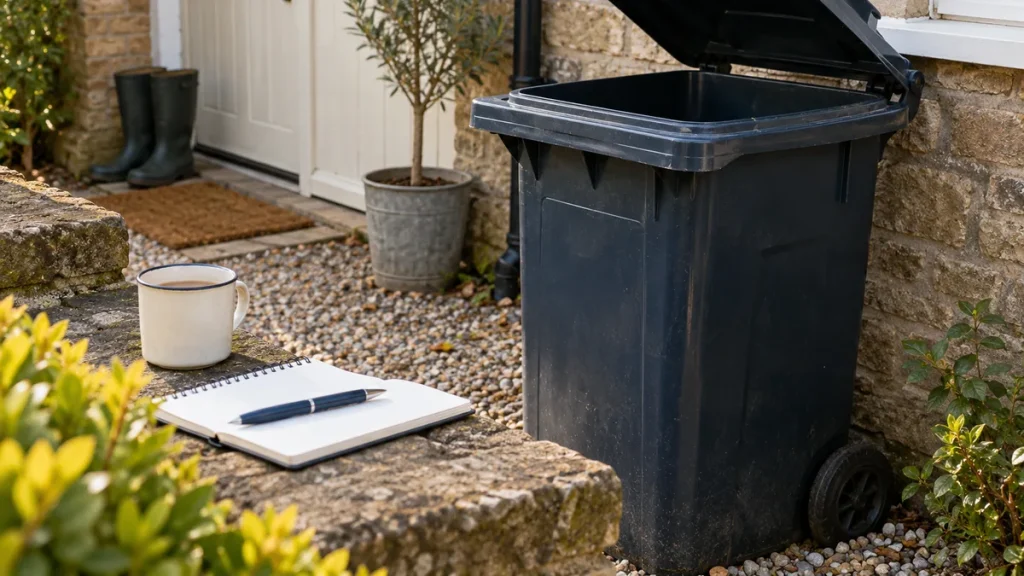
Use a line for each observation: date, place, sign, what was directly seen and any photograph. Add the date of cleaning, bin repair or proofing work where relevant. Avoid guessing animal numbers or labelling every noise as a rat. A short factual log is easier for the specialist to interpret than a long series of theories. If several residents use a shared area, agree on one reporting channel so old photographs are not presented as new incidents.
Do not create a test by leaving food out or reopening a gap. Keep waste in closed bins, clean accessible spills and follow the agreed plan. A safe, stable routine gives the review a clearer comparison. If a managing agent controls the area, ask them to confirm the dates of repairs and collections. An incomplete repair may explain why signs remain even when the treatment steps were carried out.
Timescales depend on the plan
There is no useful universal rule that every sign must disappear immediately. The method, extent of activity, access routes and monitoring arrangements differ between properties. Ask the team what they expected in your case and what observation would trigger a change. A quiet period is encouraging but not a guarantee of resolution. A new sign is important, yet it needs to be interpreted with the whole record rather than prompting an improvised second treatment.
Compare the same places
Look at the locations marked during the first visit rather than searching the entire property for any ambiguous mark. A known bin corner, wall edge or doorway gives a consistent point of comparison. If the area has been resurfaced, cleaned or rearranged, note that change. An apparent reduction in signs may reflect a change in visibility, while a newly exposed old mark may look recent. The specialist can use your notes alongside the inspection findings; you do not need to declare success or failure from a single photograph.
If activity appears to be coming from a shared bin store or neighbouring space, follow-up may require access beyond the place initially inspected. Do not assign blame to another resident. Give the managing agent the factual locations and dates so they can coordinate access. If indoor signs look different from the original outdoor concern, the team may need to consider another assessment, including whether mice control is relevant.
Know when to call sooner
Report repeated direct sightings, fresh activity near food storage, damage to equipment or signs in a new area before the agreed review date. If a food business or vulnerable occupant is involved, mention the setting. If you find exposed wiring, a leak or unstable paving, contact the appropriate property professional as well. Pest follow-up does not replace urgent electrical, structural or drainage work.
When you call, give the visit date, a concise description of new signs and the status of any agreed repairs. Ask whether the team wants photographs and what to do until they can review the area. Do not remove equipment or add bait because you feel progress is slow. A change of method should follow the evidence and the terms of the original plan.
Use the review to close the loop
At follow-up, ask which evidence has stopped, which remains and what access or repair work is outstanding. Confirm whether monitoring continues, whether equipment will be removed and what final proofing is recommended. Keep the updated instructions in writing. A successful outcome is better judged by the pattern of signs and the condition of the property than by one reassuring day.
For the business's stated Wembley area, the contact page provides current details for reporting aftercare concerns. Share your postcode, visit date and dated observations. A clear record helps the specialist distinguish old evidence, continuing activity and a newly emerging route, so the next action fits what has actually changed.