
Preparing belongings for an assessed heat treatment
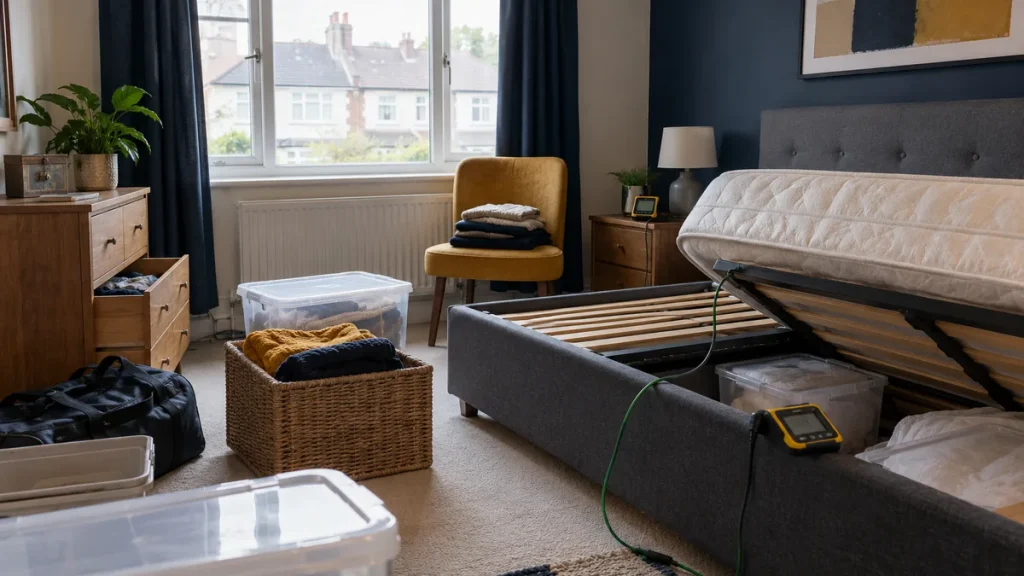
When a professional recommends bed bug heat treatment, preparation can feel like an instruction to empty the room. That can be counterproductive. The right handling of belongings depends on what was found, which spaces are included and which items can safely remain. Ask for a written, property-specific list before moving anything. Good preparation protects possessions, keeps suspect material contained and gives the team access to the places the plan covers.
Start with the assessed scope
Confirm which rooms, cupboards, furniture and stored items are included in the proposed treatment. A bedroom may contain more than the bed: bedside drawers, clothing, luggage and a chair can all affect access and handling. Ask what the specialist found in each area and what remains uncertain. Do not assume that every item in the home is affected, but do not quietly leave relevant belongings out of the conversation.
Keep the inspection notes and any photographs together. If you have moved a suitcase, laundry or furniture since the first sign, tell the provider where it went. This history helps decide whether an item should be inspected or handled separately. It is not a reason to move it again immediately. A bed bug heat treatment plan should identify what will be treated and how out-of-scope items will be managed.
Ask for an item list
Request instructions for medicines, cosmetics, electronics, artwork, fragile objects and anything else that may be heat sensitive. The provider should say whether each category stays, leaves under controlled handling or needs another approach. Follow the list rather than guessing from a general online article. If you are unsure about an item, photograph it and ask before treatment day. A rushed decision at the door can delay the work or create unnecessary risk.
If an object must leave a suspect room, ask how it should be enclosed and where it should go. A sealed container may be appropriate for some belongings; other items need different handling. Do not carry open bags through shared corridors or sort loose contents in another bedroom. Label containers with their original room and date. That record helps distinguish treated, untreated and uncertain items later.
For flats and shared buildings, consider the route that belongings would take if removal is required. Ask whether a lift, narrow staircase or communal corridor changes the packing plan. Let the managing agent know about access arrangements only to the extent needed for the visit; avoid making claims about activity in neighbouring homes without evidence. If a storage unit, garage or vehicle has received items from the bedroom, tell the specialist before treatment. The location may need assessment, but it should not be assumed affected merely because an item passed through. A simple inventory with original room, current location and handling status can prevent lost items and help the team decide what to inspect. Keep a copy of this inventory for the follow-up discussion.
Clothing and bedding need clear instructions
Do not strip every bed and pile laundry in the hallway by default. Ask which bedding and garments should be bagged, laundered or left for the treatment. Follow care labels and the provider's instructions for any washing or drying. Heat-sensitive fabrics can be damaged by a generic high-temperature rule. Keep items that have been handled as directed apart from unhandled items until the provider says they can be returned.
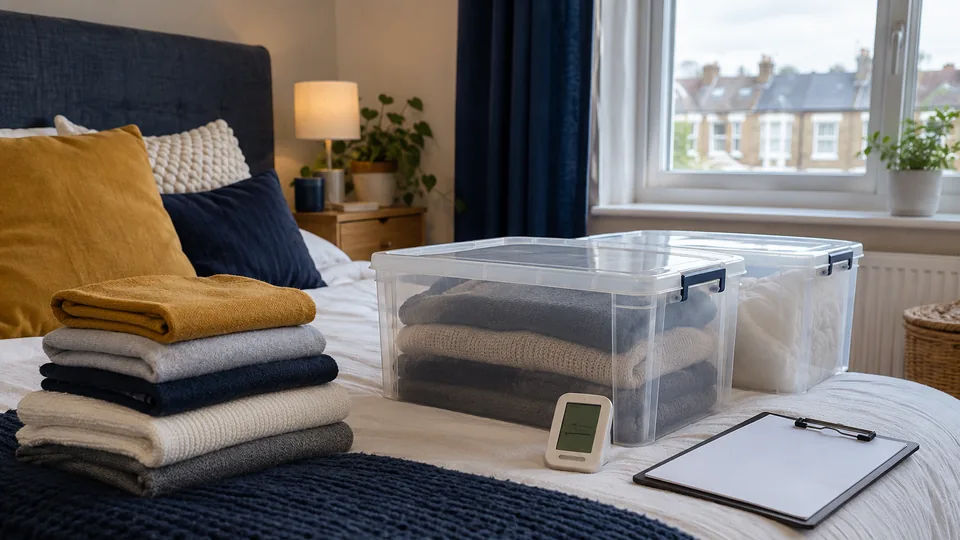
If a family shares laundry facilities, plan a direct route for sealed bags and avoid opening them in communal space. The goal is to reduce loose handling, not to treat every fabric as contaminated. Mark bags clearly so clean clothes are not placed back into an unassessed storage area. If a bag tears, reseal it and note what happened rather than silently moving the contents elsewhere.
Resist the urge to discard furniture
Throwing out a mattress or chair before inspection can remove evidence and carry suspect material through the building. It may also leave activity in the frame or nearby furniture unaddressed. If disposal is recommended, ask how to wrap and move the item safely and follow local waste rules. Do not leave unprotected furniture outside where someone may take it home. A specialist can explain whether retention, treatment or disposal fits the actual finding.
Make access practical and safe
The team may need space around the bed, furniture and walls. Clear ordinary trip hazards, but ask before moving suspect items into another room. Tell the provider about built-in storage, heavy furniture and areas that cannot be reached. Do not dismantle electrical fittings or drag wardrobes alone. If you cannot move an item because of mobility or safety, state that early so the plan can account for it.
Ask whether doors, drawers or cupboards should be open or closed on arrival. Different equipment and layouts may call for different preparation. The provider should explain what they will do if an area remains inaccessible. A treatment described as covering a room should have a clear answer for the contents and spaces inside it.
Protect people and essential possessions
Discuss when occupants must leave and return, including children, pets and aquariums. Identify any essential medicine or equipment that must remain available while the room is inaccessible. Arrange access to it before the visit, following the provider's containment instructions. If an item is irreplaceable or particularly fragile, ask how it will be protected or whether the plan should change.
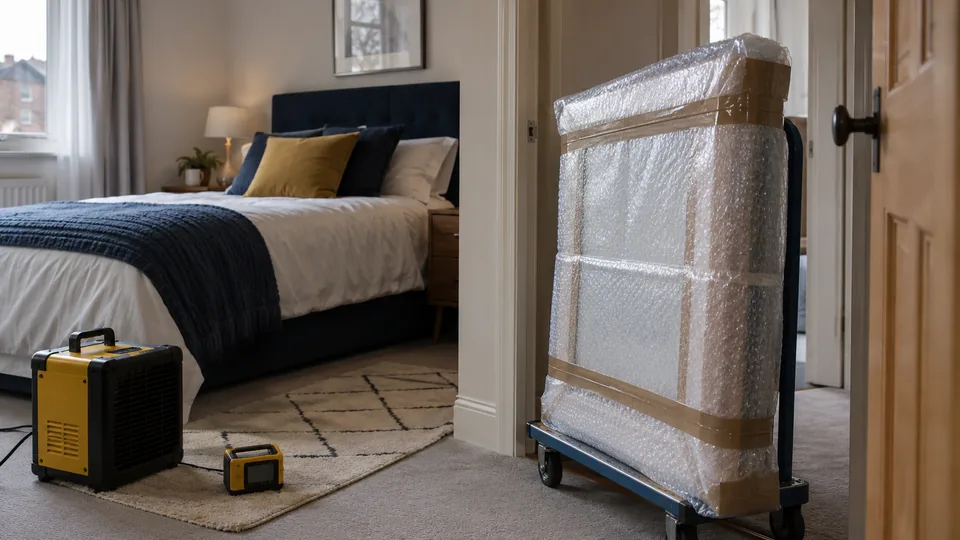
Do not use household heaters, steamers or sprays as extra preparation. Improvised heat can be unsafe and may not address hidden areas. Unplanned chemicals can complicate safety and follow-up. The bed bug treatment service can discuss other targeted options if heat is unsuitable for the property or its contents.
Plan for the return of belongings
Preparation does not end when the equipment leaves. Ask when and how treated items may be returned, whether separately handled items require further checks and which storage areas are ready to use. Keep labels on bags until you can tell what was included in the work. A fresh sighting is harder to interpret if belongings were mixed immediately after treatment.
Follow written cleaning and monitoring instructions. Record any live insect with its date and location, and keep a specimen if possible. Skin marks alone do not prove continuing bed bug activity. If an item was excluded from the heat treatment, include that fact when reporting a later concern. Clear records allow a reviewer to assess what happened without guessing.
A preparation checklist for the conversation
Before the booking, confirm the rooms included, items to remove, packing method, occupant arrangements, access needs and aftercare. Ask who is responsible for each task and what happens if a heat-sensitive item is discovered on arrival. Keep the answer in writing and share it with everyone who uses the room. For a Wembley, HA0 or HA9 property, contact the team with a description of your belongings and constraints. Preparation should follow the assessed plan, not a hurried whole-house clear-out.