
Persistent bed bug signs after treatment: what to record
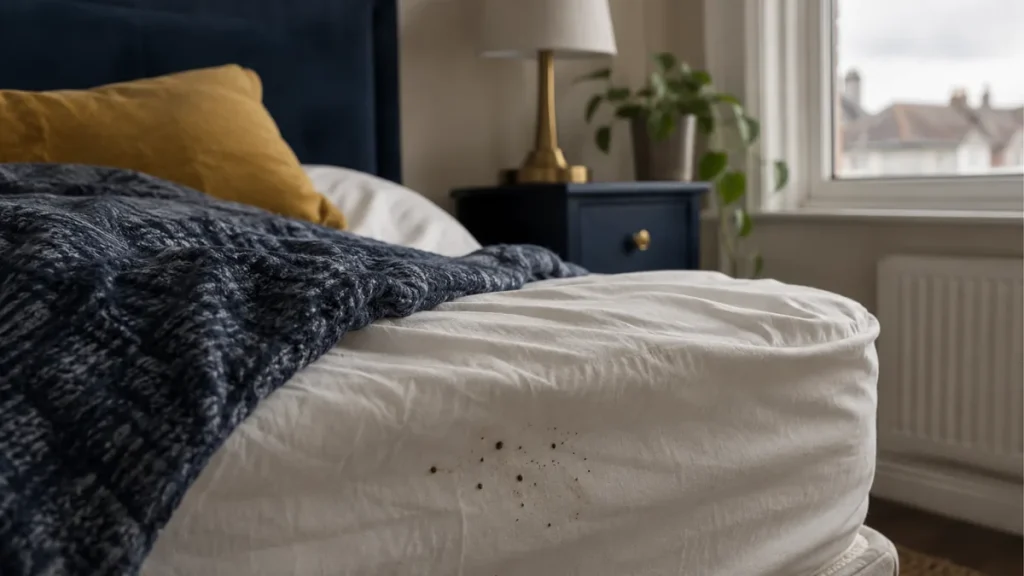
A worrying mark after bed bug treatment does not automatically mean that the treatment failed. Equally, a brief quiet period does not prove that activity has ended. The useful response is to document what is new, where it appeared and what the original work covered. A dated record gives the specialist something concrete to compare with the inspection and treatment notes, helping them decide whether to monitor, revisit or change the plan.
Separate a new observation from an old trace
Old stains, damaged fabric and previous photographs may remain long after a visit. Take a reference photograph of the bed frame, mattress edge and any known marks once the provider says it is appropriate. If something changes, photograph it from the same position and note the date. Do not call a mark fresh simply because you noticed it for the first time. The distinction matters when a reviewer is trying to decide whether there is current activity.
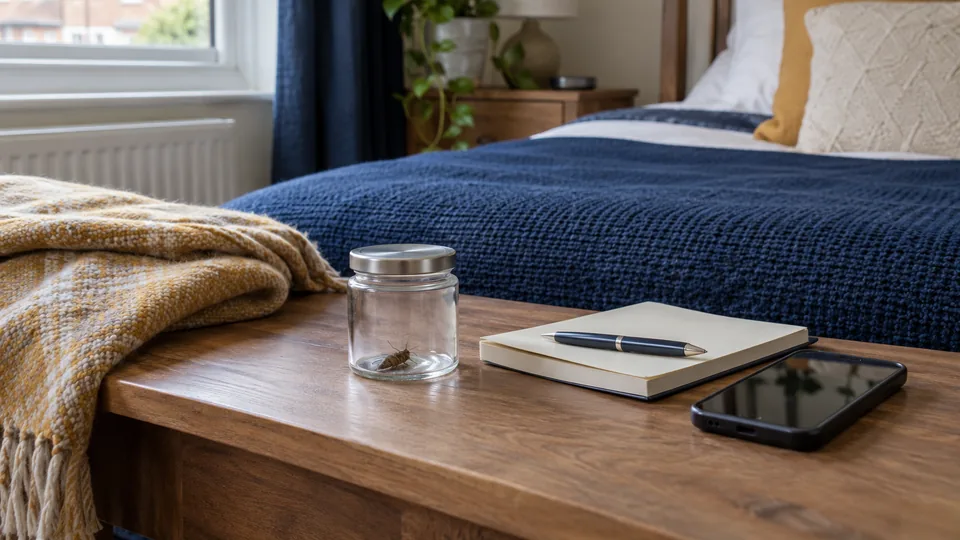
If you find an insect, photograph it where it was seen and collect it safely in a sealed clear container. Label the container with the room and date. Identification is more reliable with a specimen than with a fleeting impression. A clear image can still help when a specimen is unavailable; include a scale and some surrounding context. Avoid editing out the surface, as its location may be relevant.
Skin symptoms need careful interpretation
Skin reactions vary between people and can have many causes. A new mark alone cannot confirm a live bed bug or show which room it came from. Record symptoms if they matter to your account, but keep them separate from insect sightings and environmental signs. For concerning symptoms, seek appropriate healthcare advice. The pest specialist can assess the property and any collected insect; they should not be asked to diagnose a medical condition.
Build a simple chronology
Start with the first inspection date, the evidence found and the rooms included. Add the treatment date, method and written aftercare. Then list each later observation with date, time, precise place and whether it was confirmed. Note any room that could not be accessed or any item handled separately. This chronology is more useful than a long message saying the problem is still there, because it lets the specialist follow the sequence.
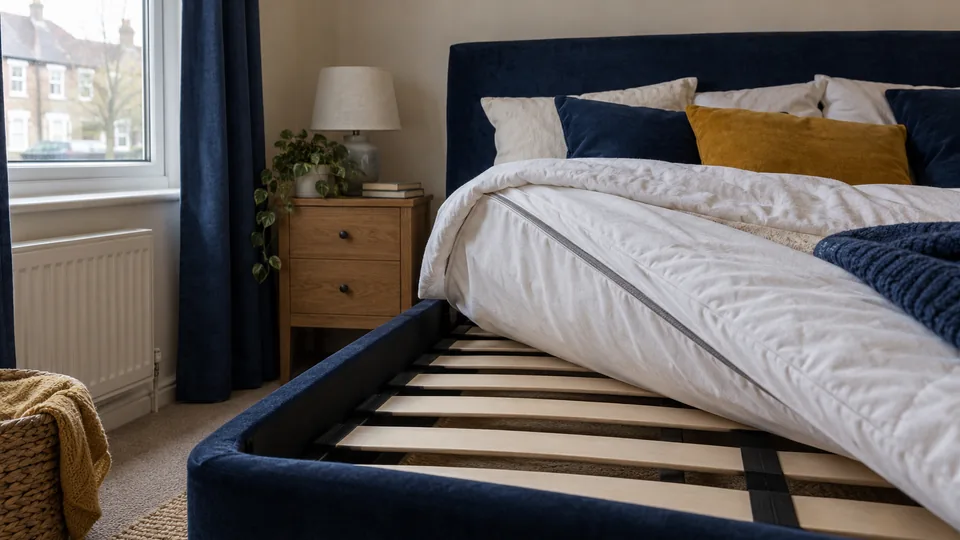
Keep records in one place. If several residents report signs, ask each person to add their observation rather than relying on a shared memory. One insect photographed by two people should not accidentally become two sightings. Include names only where helpful for clarification. The aim is a reliable record, not a tally that makes the situation feel worse.
Make the record ready to share. Save photographs with dates in their file names and keep the originals. If a mark appears on a surface that will be cleaned, take an image first and note when cleaning happened. A ruler in the image helps with size, but do not put your hands in an unsafe place to obtain it. If you use a phone note, write one entry per event rather than repeatedly changing a summary. This preserves the sequence and reduces disagreement about whether a sign appeared before or after treatment.
Record what changed after treatment
Furniture moved, bags opened, guests stayed or products applied after the visit can affect interpretation. State those changes plainly. If a suitcase from the original bedroom was moved into a spare room, mention the date. If you cleaned an area before reading aftercare, say so. This information is not about blame; it helps a reviewer distinguish a new route of concern from the area treated.
Follow the provider's written cleaning and re-entry advice. Do not add sprays or powders because a mark appeared. Unplanned products can create exposure risks and complicate a bed bug treatment review. If instructions are unclear, ask before changing the room further.
Check the treatment scope
Read the paperwork to see which rooms and belongings were included. A finding on an excluded item raises a different question from a specimen found in a treated bed frame. If bed bug heat treatment was used, note any items removed before heating and how they were managed. Do not assume the method covered every object that was ever in the room. Accurate boundaries help the specialist decide where a new inspection should start.
What makes a report actionable?
A concise report could say: “Treatment was on Monday; one live insect was collected beside the bed on Thursday evening; photograph and specimen available; no furniture moved.” This gives the provider a date, location and evidence. Avoid declaring success or failure from one uncertain sign. Ask what the company wants you to do with the specimen and whether a review visit is already part of the agreed plan.
If the sign is in another room, record that separately. Do not shift suspect furniture into the first room to simplify the story. Keep the item where it is until you receive handling advice. In a block of flats, describe only what you have observed in your own property. Shared routes may be relevant, but neighbouring homes require evidence and appropriate access before conclusions are drawn.
Choose a sensible monitoring rhythm
Ask which places to check and how often. Repeatedly dismantling the bed can disturb the room and increase anxiety without adding useful information. A consistent, brief check of agreed areas is easier to compare over time. If a monitoring device was installed, leave it where instructed and follow the checking schedule. Photograph any capture before disposing of it, if that is what the provider advises.
Set a review point rather than monitoring indefinitely without feedback. The time and criteria should come from the treatment plan and the specialist's advice. A single generic rule cannot account for different methods, room layouts and findings. If you are unsure what should trigger a call, ask for a clear example from your own case.
Ask what the provider considers a meaningful change in your case. A live insect, activity in a room outside the scope or repeated new evidence may warrant different responses. The specialist should explain why, based on the method used and what was inspected. Do not copy someone else's follow-up schedule from an online forum. If the first visit involved limited access, the next step might be to inspect the inaccessible area. If the evidence is still uncertain, the next step might be identification or monitoring. The record makes either decision defensible.
Discuss the next step with the provider
Send the chronology, photographs and specimen details through the agreed channel. Ask whether the new evidence changes the inspection or treatment plan and whether another visit is included. Keep a note of the reply. For a property in Wembley, HA0 or HA9, the site's contact page provides a way to discuss persistent signs. The strongest report is factual: what was found, where, when and against which documented treatment scope.