
Aftercare following bed bug heat treatment
The end of a professional heat treatment is the start of a short period when clear records and careful handling matter. The provider should give you written instructions for re-entry, cleaning, belongings and monitoring. Read those before putting the room back together. The exact advice depends on the equipment used, the spaces included and any items handled separately. A generic checklist cannot replace the aftercare for your assessed property.
Confirm what was actually treated
Keep the treatment record and note which rooms, furniture and stored items were within the agreed scope. If a cupboard, object or adjoining space was excluded, write that down. Ask how the provider checked the process and whether any area could not be treated as planned. This information is useful if a later sighting occurs. Without it, a new insect may be wrongly interpreted as proof about the whole treatment.
If a tenant or managing agent arranged the treatment, agree who receives the aftercare document and who will report new signs. A resident may notice an insect while the person who authorised the work holds the paperwork. Sharing the relevant instructions with everyone who uses the room avoids conflicting cleaning or storage decisions. Keep the original quotation and revised treatment notes together. If shared spaces were discussed but not treated, do not tell neighbours they were included. Accurate scope protects both the follow-up assessment and communication with others in the building.
If the plan changed on the day, request an updated summary. For example, an unexpected heat-sensitive item may have needed separate handling, or access to a built-in unit may have been limited. The aftercare should match the work that took place, not the original quotation alone. Keep dates and names of any follow-up contact so you can explain the sequence accurately.
Follow re-entry instructions precisely
Ask when people and pets may return and whether the room needs any checks before normal use. Consider children, aquariums, medicines and anyone who needs assistance entering the property. Do not guess a re-entry time from another household's experience. If the instructions are unclear, contact the provider before entering or moving essential items. Any safety question is better resolved directly than by interpreting a general article.
Heat treatment is not an invitation to add your own chemicals. Avoid spraying, dusting or steaming the room after the visit unless the provider has specifically instructed it. Unplanned products can create exposure risks and make later evidence harder to interpret. If another bed bug treatment method was used alongside heat, ask for its separate aftercare as well.
Clean according to the written plan
Some surfaces or items may be ready for ordinary cleaning, while others need to remain as directed for monitoring or another treatment component. Ask what can be vacuumed, washed or wiped and when. Do not strip the room to make it feel finished if doing so would move suspect belongings into unassessed areas. Follow care labels for fabrics and appliances. If a surface appears damaged, photograph it and raise the concern with the provider rather than attempting an unsafe repair.
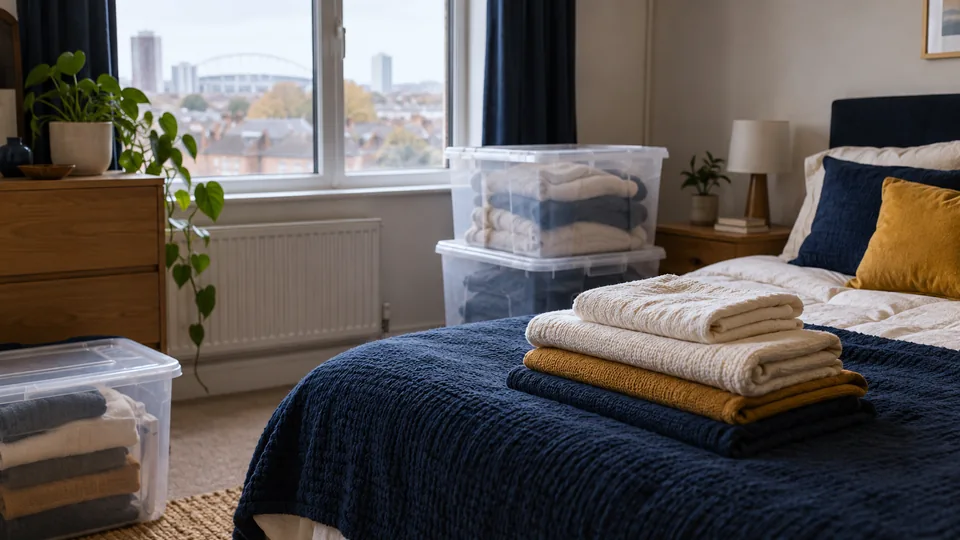
Keep the route through the room clear while returning belongings. A pile of bags beside the bed can hide later signs and make inspection difficult. Label items that were treated or separately handled, and return them only under the provider's instructions. If you are unsure about one container, leave it closed and ask before opening it in another room.
Plan room use rather than returning everything at once. Ask whether the bed should remain in position, when drawers can be refilled and whether monitoring devices must stay in place. If you need an item from a bag, ask how to retrieve it without mixing contents with storage. Small decisions about where items go preserve a useful record for review.
Set up a useful monitoring record
Write down the treatment date and the first day of normal room use. For each new sign, record the time, exact place and what you saw. Photograph an insect in context and, if safe, collect it in a sealed clear container for identification. A live insect found on the bed is different evidence from an old stain or an uncertain skin mark. Do not rely on bite patterns alone to decide whether bed bugs remain; reactions vary and may have other causes.
Ask which areas to check and how often. Repeatedly dismantling furniture can disturb the room and add stress without improving the evidence. A short, consistent check of agreed places is usually easier to discuss at review. Keep original photographs with their dates, and avoid editing away the surrounding surface that shows where the sign appeared.
Keep observations separate from conclusions
Write “one insect on the bedside table on Thursday” rather than “the treatment failed”. A reviewer can compare a dated specimen and location with the treatment scope. Old marks may remain after work; a photograph taken immediately afterwards helps identify truly new changes. If an item was outside the heat treatment, mention that when reporting any finding on it.
If several people use the room, keep one shared log. Different memories can otherwise turn a single event into several apparently separate sightings. Note who observed the sign and whether the same insect was collected. A calm record helps the specialist decide whether to inspect, continue monitoring or discuss another step.
Handle belongings with a clear boundary
Do not mix treated and untreated bags simply because the equipment has left. Ask when clothes, bedding and stored objects can return and whether an excluded item needs further inspection or handling. A suitcase from the original room may still be relevant even if it was stored elsewhere during treatment. Tell the provider about any items moved between rooms before or after the visit. This history can explain a later sighting without requiring an immediate assumption about the method.
If an item must be discarded, follow local waste rules and the provider's containment guidance. Do not leave loose furniture in a shared corridor. Unprotected movement through a building can create unnecessary concern for other residents and obscure where evidence first appeared.
Know when to request review
The provider should tell you how to report fresh evidence, whether a review visit is scheduled and what would prompt further work. Contact them with a specimen or clear photograph and the dated record if you find live insects or repeated new signs. Mention changes in furniture position, cleaning or products used. Do not wait for a dramatic problem if the written aftercare is unclear; a quick question can prevent a mistake.
For a home in Wembley, HA0 or HA9, use the contact page to discuss follow-up with the team. State the treatment date and what was included. Professional heat treatment is best judged against its documented scope and a sensible monitoring plan. Accurate observations and careful handling give the reviewer the information needed to decide what, if anything, comes next.