
Preparing a bedroom for bed bug assessment
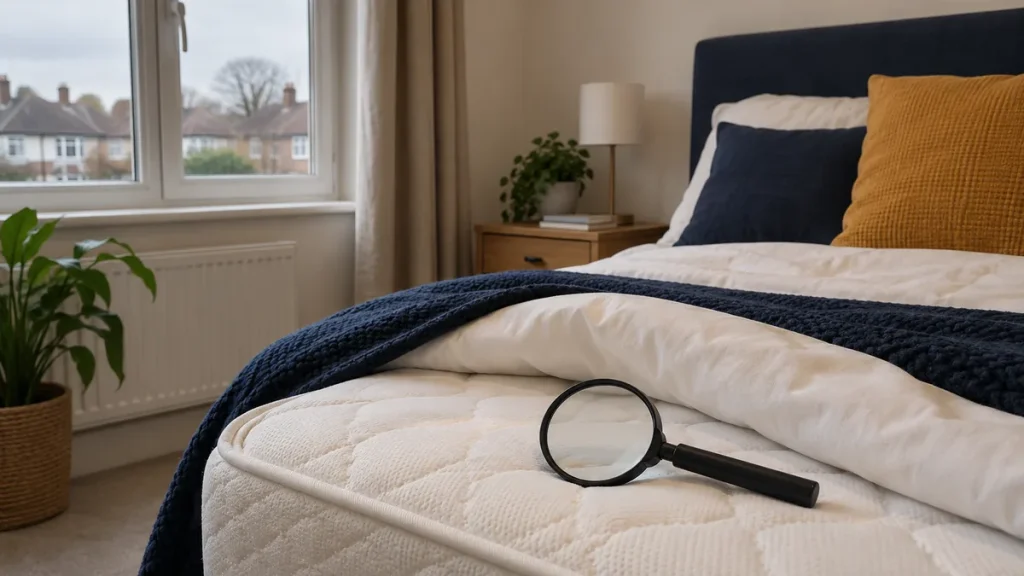
Preparing a bedroom for a bed bug inspection is less about making the room spotless than making the evidence and likely hiding places accessible. If you have noticed an insect, a mark near the bed or an unexplained pattern of concern, avoid a hurried clear-out. A useful inspection starts with where and when the signs appeared. Moving every item before someone has assessed the room can hide that pattern and carry suspect belongings into other areas.
Make a short record of what happened
Write down the date of your first concern, each subsequent sighting and the exact place involved. A note such as “one insect on the sheet by the headboard on Tuesday evening” is more useful than “bed bugs everywhere”. Photograph insects and marks in context, then take a closer image. If you can collect an insect safely, seal it in a clear container. Identification from a specimen can prevent a treatment plan being built around the wrong pest.
Bites alone cannot establish that bed bugs are present. Skin reactions differ, and a mark might have another cause. Tell the assessor what you saw without turning an uncertain clue into a confirmed diagnosis. If you have used sprays, powders, steam or other products, list them and where they were applied. That information matters for both safety and interpretation of the room.
If photographs are being sent ahead, include one wide view showing where the bed sits and one close view of the suspected sign. Keep the original files and their dates. A close image without scale or location can be difficult to interpret. If you have seen insects at different times, say whether they were alive, moving or already dead. Do not collect debris from multiple rooms in one unlabelled container. Separate specimens by room and date, and keep containers closed. This record takes less effort than a clear-out and gives the assessor a more reliable sequence to discuss.
Describe the room as it is normally used
Explain who sleeps there, whether anyone uses a sofa bed or chair, and where bags and clothing are usually kept. Mention recent changes such as moved furniture or a suitcase placed beside the bed. These details help the specialist prioritise an inspection; they do not prove where an insect came from. If other rooms have signs, record them separately rather than assuming the whole property has the same level of activity.
Keep potential evidence in place
Leave the bed, frame and bedside furniture in their usual positions unless access or safety requires otherwise. The specialist may need to see joints, seams, skirting edges and the relationship between the bed and nearby items. Avoid transferring loose bedding to another bedroom. Do not place suspect clothing in a shared hallway or sort it on a living room floor. Ask how to bag and handle items if movement is necessary before the visit.
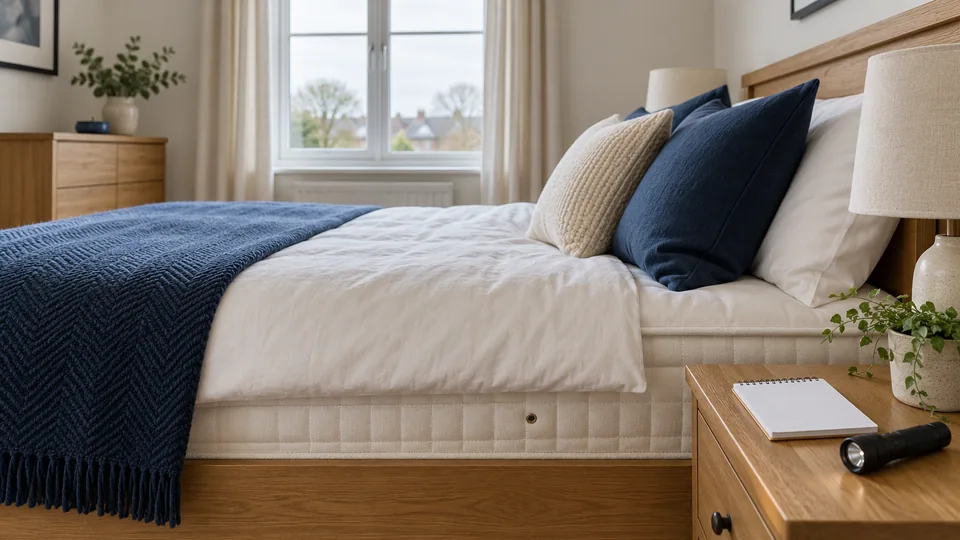
Do not discard a mattress as a first response. Bed bugs can occupy more than a mattress, and carrying an unprotected item through the property can complicate containment. If disposal becomes part of the agreed plan, arrange it with clear handling instructions and local waste rules. A bed bug treatment inspection should establish what is actually present and which areas warrant attention.
Clear safe access without stripping the room
Make sure the assessor can enter, move safely around the bed and reach accessible furniture. Remove ordinary trip hazards from the floor, keeping their original room location in mind. If an item is suspect, ask whether it should stay sealed in the room rather than taking it elsewhere. Do not pull fixed fittings apart or climb to reach difficult spaces. Tell the company in advance about heavy furniture, inaccessible storage or any room that needs a key.
The inspection may involve looking at the bed frame, headboard, mattress edges and nearby cracks. A tidy route is helpful, but excessive cleaning can remove useful signs. If you must clean for normal hygiene, note what you cleaned and when. Keep photographs taken before cleaning. There is no benefit in concealing an awkward corner or previous product use; accurate information supports a safer, more targeted recommendation.
Think about people and pets
Tell the specialist about children, pets, aquariums, mobility needs and anyone with a sensitivity relevant to the proposed work. Ask whether occupants should be present during the assessment and what access is needed. An inspection is not automatically a treatment appointment. The method, any preparation and re-entry instructions should follow the findings and be explained before work starts.
Avoid methods that alter the evidence
Do not use extra aerosol sprays in the hope of solving the problem before the visit. Products used in the wrong place can create exposure risks and interfere with an agreed treatment. Never apply insecticide to bedding or skin. Likewise, improvised heating with portable equipment is unsafe and does not match a professional bed bug heat treatment assessment. A specialist must consider room contents, access, safety and the evidence before recommending heat.
Do not dismantle electrical fittings, lift carpets or pull apart a bed that cannot be reassembled safely. If an insect is visible, a photograph and specimen may be enough to make the initial conversation productive. The aim is to preserve the room's clues while allowing a trained person to inspect them systematically.
Questions to ask before the appointment
Ask which rooms should be available, whether bedding should remain on the bed and how the company wants any specimens or photographs supplied. Ask what will happen if the insect cannot be identified and when a written treatment plan would be provided. If the property is rented or managed, check who can authorise access or work. A shared building may require coordination, but a neighbour's room should not be labelled affected without evidence.
Confirm the full postcode, contact number and any restrictions on parking or entry. Mention if a resident cannot move furniture or if a room cannot be left unused after treatment. These practical constraints should be known before a method is proposed. If a quotation is discussed, clarify whether it covers inspection, treatment, monitoring and any return visit; do not assume those stages are identical.
What happens after the assessment
Expect the specialist to explain what was found, what remains uncertain and why a particular next step is recommended. Ask for the scope of any proposed work, preparation instructions, precautions and how progress will be reviewed. If the evidence points to another insect, the plan should change accordingly. Keep your dated notes and photographs for comparison if further signs appear.
For a bedroom in Wembley, HA0 or HA9, use the site's contact page to discuss the signs and appointment availability. Describe the room and any specimen you have. Good preparation means safe access, accurate observations and limited movement of suspect items. It gives the assessor a clearer starting point without asking you to diagnose or treat the property yourself.