
What follow-up monitoring after bed bug treatment involves
After bed bug treatment, people often want a simple answer to one question: has it worked? The answer usually comes from a pattern of evidence, not from a single morning without marks or one worrying sensation at night. The treatment method, what was found during inspection and the agreed review plan all matter. Follow the written instructions for your property and keep a dated record of fresh signs so the specialist can judge progress against the starting point.
Begin with the treatment notes
Read the written aftercare before cleaning, moving furniture or bringing stored belongings back into the room. Different methods have different instructions. A treated surface may need to remain undisturbed for a specified period, while other areas may need ordinary cleaning. Re-entry and handling advice should come from the company that carried out the work. Do not borrow instructions from a neighbour's treatment or an unrelated online account.
Keep the date of treatment, rooms included and any agreed follow-up date in one place. Note whether the specialist found live insects, eggs or other evidence, and which places were examined. These details give later observations context. If an area could not be accessed, record that limitation; a new sighting there may mean something different from activity in a fully assessed area.
Record signs in a consistent way
For each sighting, write the date, time, room and exact location. Photograph an insect before moving it if that is practical, then contain it safely for identification. Note whether it was alive and whether it appeared on bedding, furniture or a wall. A photograph of an unlabelled mark is less informative than an image paired with its location and date. Keep original files so the sequence remains clear.
Skin marks are worth discussing but cannot, by themselves, prove current bed bug activity. Reactions differ and can appear at different times. Avoid using the number of marks as a treatment score. Record what you notice without assuming a cause, and seek healthcare advice for concerning symptoms. The pest specialist can assess insects and environmental signs; they cannot diagnose a medical reaction from a photograph.
Understand what a follow-up visit checks
A review may examine the same bed seams, frame joints, nearby furniture and other areas that mattered at the first visit. The specialist can compare fresh evidence with the original findings, check access and discuss whether the agreed method needs more time or another step. There is no universal day on which all properties can be declared clear. A bed bug treatment plan should explain monitoring and any return visit appropriate to the findings.
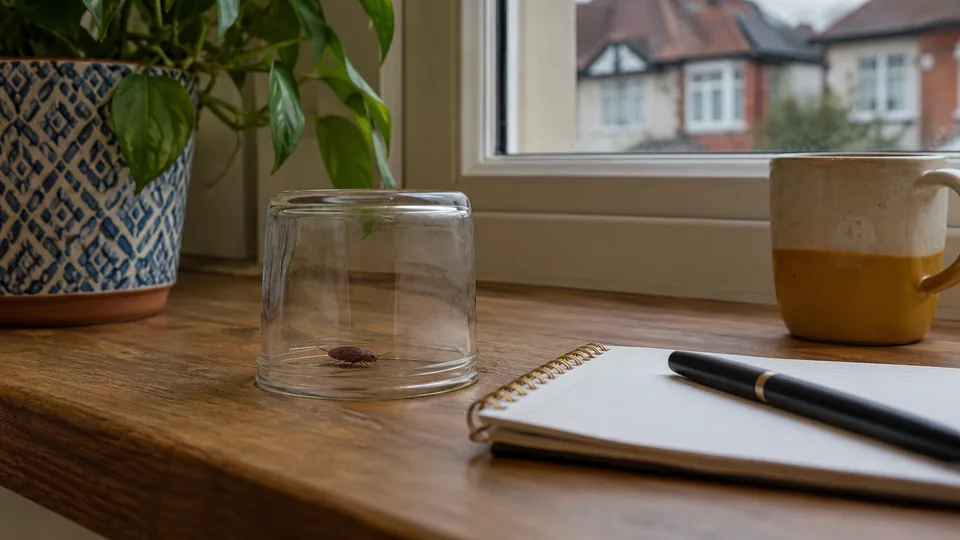
If monitoring devices were placed, leave them where instructed. Moving or discarding one can interrupt the record. Ask how frequently to check it and how to report what it catches. Do not place extra products beside it without advice. Unexpected chemicals or changes in furniture position may affect both safety and interpretation of the results.
Distinguish old traces from new evidence
An old stain or a previously damaged item may remain after treatment. Photograph the area at the start of monitoring so you can tell whether it changes. If you find an insect, a specimen is stronger evidence than an impression of movement seen briefly in poor light. Mark a new observation as new only when you can date it with confidence. This is especially useful where several people share the room and notice different things.
Keep the record proportionate. A daily check of agreed areas can be useful; repeatedly dismantling the bed may cause stress and disturb the treatment. Ask the specialist what level of inspection is appropriate. The purpose is to catch meaningful changes, not to turn every lint fibre into a possible insect.
For households with several occupants, agree on one shared log rather than keeping separate memories of sightings. Include the observer’s name and the room, but avoid forwarding photographs without context. A single record can show whether reports concern the same place or different areas. If the property is rented, tell the landlord or managing agent what the specialist has confirmed and what access may be needed for review. Keep private health concerns separate from the pest record. The inspection notes should guide discussions about building access and treatment scope; assumptions about neighbouring flats should not. Where a visitor or contractor needs to enter the room, explain any precautions that apply, without claiming the property is safe or unsafe beyond the advice you were given.
Manage belongings according to the plan
Follow instructions on bags, washed items, furniture and storage before returning anything to the room. Keep treated and untreated belongings separate if that was part of the plan. Do not move suspect items into a spare bedroom to make the treated room look clear. That may create a new uncertainty about where signs were first present. If practical needs mean an item must move, record what moved and when, and ask how to handle it safely.
If professional bed bug heat treatment was used, follow its specific aftercare as well. Do not assume heat and other targeted methods have identical cleaning or re-entry instructions. Ask which items were within the assessed scope and whether any contents needed separate handling. That information helps explain a later sighting and prevents unrealistic assumptions about what the visit covered.
Know when to contact the specialist
Report a clearly identified live insect, repeated fresh signs or activity outside the treated area according to the company's follow-up instructions. Provide photographs, the specimen if available and the dated record. Mention any changes since treatment: furniture moved, new belongings brought in, cleaning undertaken or products applied. Accurate disclosure is more useful than trying to present the room as untouched.
Do not wait in silence if aftercare instructions are unclear. Ask before washing a treated surface, rearranging the bed or disposing of monitoring devices. Likewise, one uncertain mark need not prompt a whole-property treatment decision. The specialist can advise whether the observation warrants a photograph, a specimen, continued monitoring or a review visit.
A brief handover makes review easier
Summarise the first inspection findings, treatment date, rooms treated and new observations in chronological order. State what was found rather than what you fear it means. For example, “one live insect collected beside the bed on Friday” is more actionable than “the treatment failed”. Include any room that was inaccessible at the time of treatment. This lets the reviewer decide where to look first and which questions remain open.
Progress is a pattern
Good monitoring is calm, dated and repeatable. It helps distinguish lingering concern from new evidence and supports decisions about further work. For a property in Wembley, HA0 or HA9, contact Wembley Professional Pest Control with your treatment details and observations if signs persist. Ask how the agreed review process applies to your room. Follow the written aftercare in the meantime, and avoid adding products or moving suspect belongings without guidance.