
Avoiding the spread of suspect bed bugs between rooms

Finding an insect near your bed can make every room feel suspect. The useful first response is to slow down. A photograph, the precise location and a safely contained specimen are more helpful than hurriedly moving furniture or emptying drawers. Bed bugs can travel with belongings, yet a sighting does not establish where they are living or how far activity extends. The aim is to preserve evidence while keeping potentially affected items in their present room until you have a sensible plan.
Start with evidence, not a whole-house clear-out
Note the date and the room where you noticed the insect or marks. Photograph the bed, frame or nearby furniture from a safe position. If you can collect an insect without crushing it, place it in a sealed clear container for identification. Do not assume that a bite or an unexplained stain proves bed bugs. Other insects and ordinary marks can look similar, while skin reactions vary between people.
Look around the bed seams, headboard and nearby joints without dismantling the room. You are gathering observations for an inspection, not trying to establish a diagnosis from one clue. If there is an insect, a clear close photograph beside a coin or ruler can show its size. Keep the original image rather than editing away the surrounding surface, because location can help interpret the find.
Keep suspect belongings where they are
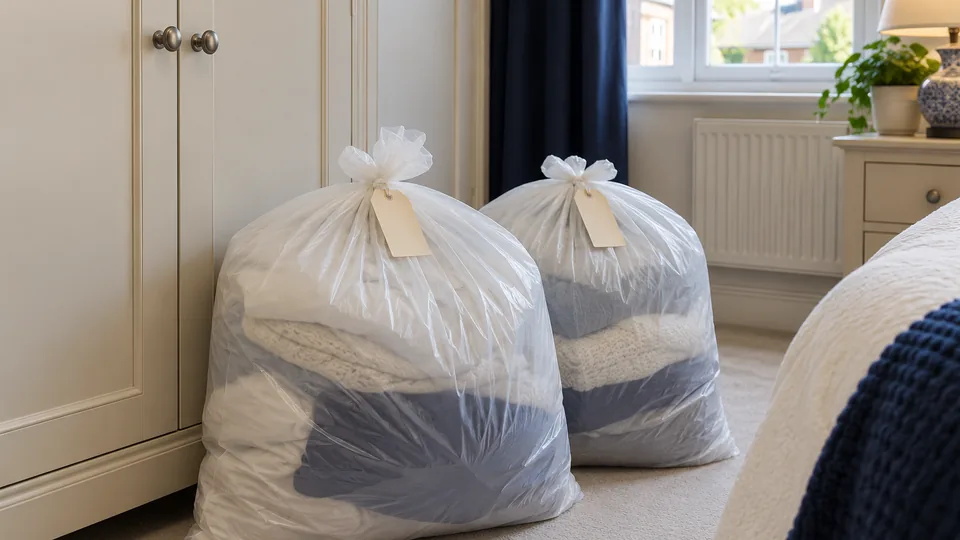
Moving a bedside chair into the lounge or carrying an open laundry basket through the house may transfer insects or obscure where they were first found. Leave suspect furniture in place. Avoid taking bedding to another bedroom for the night simply because the first room is worrying. If you need to move an item for an immediate practical reason, ask for specific advice first and use a sealed container or bag suitable for that item.
Do not put a mattress or sofa on the pavement without checking disposal requirements and a handling plan. Unprotected items can be picked up by others or dragged through shared halls. Discarding a bed is rarely a useful first step: activity can also be associated with the frame and nearby furniture. A bed bug treatment assessment can establish what has actually been found and which areas need attention.
Laundry needs an organised route
Clothes and bedding can be important to the investigation, but indiscriminate washing can erase evidence and create unnecessary movement. Ask the specialist which items to handle and how to package them. If an item must be moved before that conversation, close it in a sturdy bag at the point of collection, carry the closed bag directly to its destination and avoid sorting it in another room. Follow the care label and the treatment instructions you receive; do not assume every fabric tolerates the same heat or cleaning method.
Keep treated and untreated items clearly separated. A clean duvet placed back onto a suspect bed before the room has been assessed may complicate the record. Likewise, piling bags in a corridor can block access for both residents and the person inspecting. Label bags with the room and date in plain language, and place them where they will not obstruct exits.
Avoid improvised spraying and heat
Household aerosol use can scatter insects, contaminate surfaces or interfere with a professional plan. Never apply an insecticide to bedding, a mattress or clothing unless its label explicitly allows that use and the instructions are followed. More product is not a substitute for identification. Also avoid heating a room with portable heaters, steam equipment or other improvised methods. Professional bed bug heat treatment requires assessment of the room, contents, access and safety precautions.
The most useful action while waiting is ordinary household safety: keep walkways clear, protect food and follow any existing medical advice about skin symptoms. If someone has a severe or concerning reaction, seek appropriate healthcare advice. Pest identification and medical assessment answer different questions; neither should be guessed from the other.
Think about shared spaces and recent movements
In a flat, shared hallway or managed building, write down where you first saw the signs and whether you have noticed insects in other rooms. Do not announce that neighbouring homes are affected without evidence. If access to a neighbouring unit or a shared service route may be relevant, the managing agent or landlord may need to coordinate it. Your useful contribution is a calm, dated record, not a theory about where the insects came from.
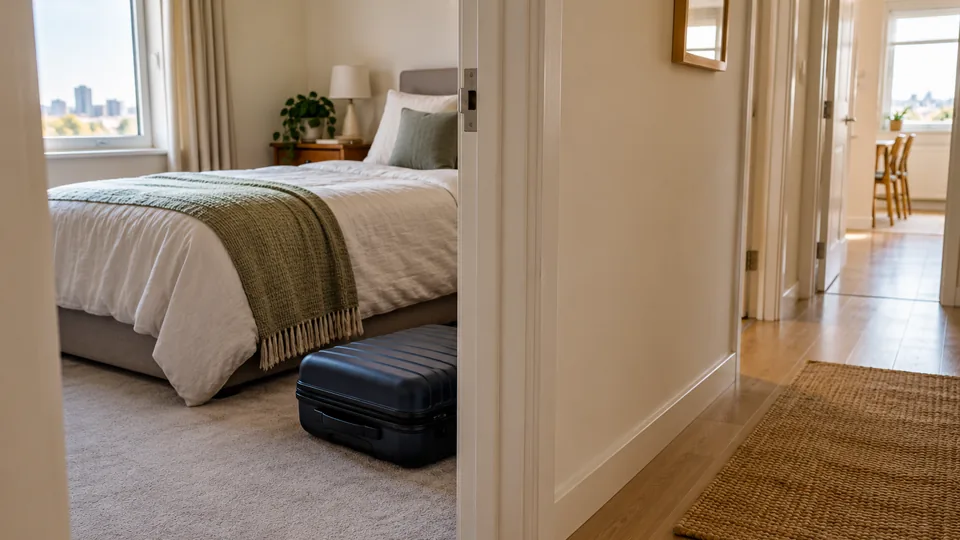
Recent travel, second-hand furniture or visitors may be relevant context, but none proves a source. Tell the specialist if a suitcase has been stored beside the bed or if a recently moved item is still in the room. Avoid distributing its contents across the property to inspect everything at once. A contained, room-by-room approach gives the assessor a clearer picture and reduces avoidable handling.
If an insect appears in a second room, record it rather than treating every room as equally affected. Note whether the sighting was on a bed, near stored luggage or in a passage. Keep the specimen if possible. This distinction helps the assessor decide where to inspect first and whether findings suggest isolated movement or activity.
If you must sleep elsewhere
There may be a personal reason to use another room. Before doing so, avoid carrying loose bedding or cushions into it. Use clean items that have not been stored beside the suspect area, and keep a note of what moved and when. Ask the specialist how to manage sleeping arrangements while inspection and treatment are planned. The best answer depends on the actual evidence and the layout of the property.
Prepare a concise handover for the inspection
Write down the first date of concern, rooms involved, approximate number of insects seen and any photographs you have. Include previous cleaning or products used, even if they seemed ineffective. Note children, pets, aquariums, sensitivities and any rooms that cannot be entered easily. A complete handover helps the specialist plan an inspection without relying on memory during an anxious phone call.
Ask what preparation is needed before moving furniture, washing more items or sealing belongings. The plan may depend on whether an insect is confirmed and on the proposed treatment. Keep the route to the bed and nearby furniture safely accessible, but do not strip every cupboard or transport everything into the hall. If a visit is booked, request written preparation and aftercare instructions so everyone in the household follows the same approach.
What to do next
For a suspected problem in Wembley, HA0 or HA9, contact Wembley Professional Pest Control with your postcode and a description of the signs. The team can discuss inspection availability and what to keep in place beforehand. Until the evidence is assessed, focus on a clear record, limited movement and safe access. Those simple steps protect the quality of the inspection and help avoid turning uncertainty in one room into confusion throughout the home.